TOP 15+ Most Profitable Digital Products To Make A Profit
The digital transformation of everything drives the development of fresh business opportunities. Launching the most profitable digital products brings entrepreneurs flexible income opportunities that scale according to their experience level.
This guide provides complete instruction for creating the most profitable digital products to sell and their marketing techniques for building sustainable online businesses.
What Are Digital Products?
Digital products are non-physical assets such as eBooks, online courses, software, design elements, and templates that are sold and delivered online. Consumers can access their purchased digital products immediately which makes the buying experience more convenient. The products exist for multiple objectives which range between educational materials and creative tools and business applications.
Why Sell Digital Products?
Selling digital products has become a game-changer for entrepreneurs, freelancers, and creators.
- Low startup costs: Businesses need no inventory along with storage and shipping facilities. All you need are your abilities combined with fundamental equipment to start.
- Scalability: A product can be resold without extra production expenses which makes it into an attractive passive income solution.
- Flexibility: Your business operates flexibly because you can manage it from any location and establish your working schedule while expanding at the rate you choose.
- High Profit Margins: The absence of manufacturing or shipping expenses leads to higher profit ratios for each transaction.
- Global Reach: Sell to customers worldwide without logistical limitations.
Digital products provide endless creative possibilities while increasing market demand which makes them stand as one of the most promising options to establish financially secure online businesses by 2025.
Top 16 Most Profitable Digital Products
Wondering what are the most profitable digital products to sell online? Here are the top options that can bring you the highest profits.
#1 Online Courses & Educational Resources
Online courses provide structured learning experiences, allowing experts to share knowledge in an engaging and interactive way. They can cover various topics, from business and coding to creative hobbies like painting or photography.

- Examples: Photoshop tutorials, language courses, Python programming boot camps.
- Pros: High demand, passive income potential, builds authority.
- Cons: Time-consuming to create, requires updates to stay relevant, needs effective marketing.
#2 Digital Templates
Digital templates enable people and business entities to manage their work activities efficiently through ready-made templates and standardized designs. These digital tools include every item from business plans to resumes and social media graphics and planner pages.
- Examples: Resume templates, PowerPoint slide decks, Instagram story templates.
- Pros: Highly versatile, appeals to a broad audience, generates passive income.
- Cons: Requires strong design skills, risk of oversaturation in certain niches.
Read more: TOP 9 Best Shopify Theme For Digital Products
#3 Printables
Customers can download printables as files which become usable through traditional printer functions. Printable templates are widely popular for producing planners alongside worksheets and coloring pages and home decor prints.
- Examples: Budget planners, daily to-do lists, motivational wall art.
- Pros: Easy to create, consistently among the best-selling digital products.
- Cons: Requires good design sense and effective marketing to stand out.
#4 eBooks
eBooks function as an efficient method for authors to spread their knowledge through stories and expert information to diverse groups of readers. These digital products demand few manufacturing expenses so writers alongside industry professionals discover them as a profitable income stream.
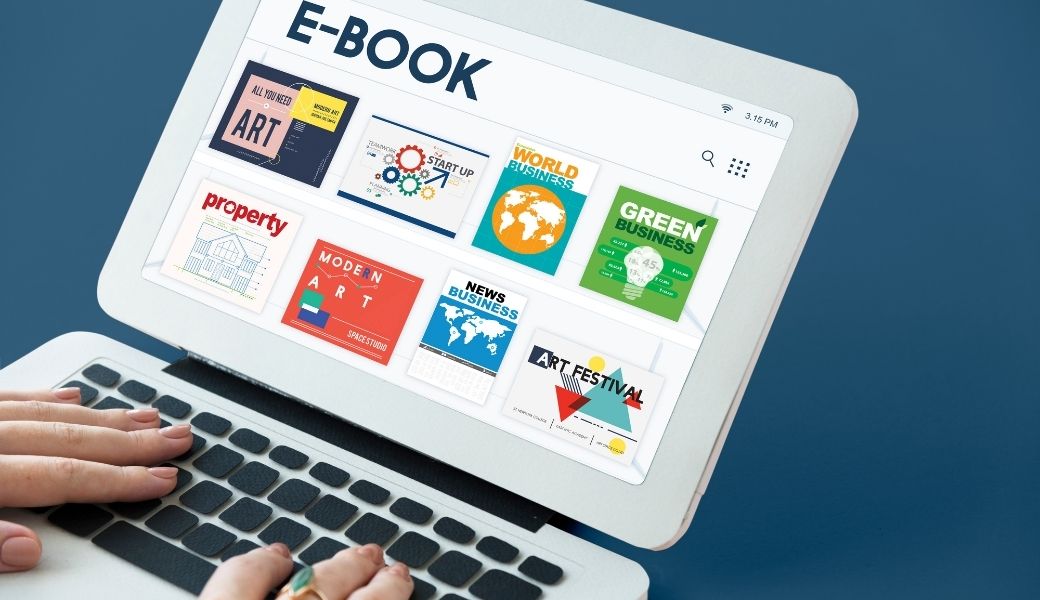
- Examples: Self-help guides, fantasy novels, niche industry reports.
- Pros: Low overhead costs, high-profit margins, passive income.
- Cons: Competitive market, requires strong writing and marketing skills.
#5 Memberships & Subscriptions
The subscription and membership system delivers special content resources to members in periodic cycles. Such packages offer premium newsletters alongside private community access and regular delivery of industry knowledge and educational content.
- Examples: Exclusive business strategy newsletters, members-only workout programs, private design resource libraries.
- Pros: Generates recurring income, builds a loyal customer base, provides continuous engagement.
- Cons: Requires consistent content updates, demands strong community management, higher customer retention effort.
#6 Stock Photography
Businesses alongside bloggers and marketers use stock photos to create premium branded material and content content material. A carefully selected collection of work enables consistent customer purchases throughout time.
- Examples: Lifestyle photography, business-themed images, nature and travel photography.
- Pros: Continuous demand, scalable revenue.
- Cons: Requires professional equipment and editing skills, high competition.
Read more: How to Improve eCommerce Customer Experience – 10 Ways
#7 Digital Art & Design Assets
Design assets from digital art allow designers and business marketers with high-quality illustrations to boost their projects. The stockpile of assets is valuable for branding and social material just as website development or also product merchandise design making them both critical for designers and also content creators.
- Examples: Hand-drawn illustrations, vector graphics, UI/UX design kits, sticker packs.
- Pros: Passive income potential, high demand across multiple industries, allows creative freedom.
- Cons: Requires strong design skills, needs ongoing marketing, faces competition from free resources.
#8 Digital Marketing Tools
Digital marketing tools assist businesses to have better online presence on-line by automating such activities as scheduling posts, monitor parameters, and management of interactions with customers.
- Examples: Social media schedulers, keyword research tools, ad performance trackers.
- Pros: High demand, potential for recurring revenue through subscriptions.
- Cons: Complex to develop, requires ongoing updates and support.
#9 Presets for Photo & Video Editing
Presets simplify the editing process by providing pre-configured adjustments that enhance photos and videos with just one click. They are very popular among photographers, influencers and content creators who need a branding for his work.
- Example: Moody Lightroom presets, cine LUTs for video editing, vintage Instagram filter.
- Pros: Easy to sell with bundles, good for both practiced and amateur, expandable items with little upkeep.
- Cons: Requires editing software knowledge, needs a good brand to stand out, overcrowding of markets in some styles.
#10 Music & Audio Files
Music files and audio content provide digital projects that include video games and podcasts, advertising campaigns. Royalty-free sound effects, together with background music and voiceover content, is also a highly profitable opportunity for sale.
- Examples: Lo-fi background music, cinematic sound effects, professional voice overs.
- Pros: Ideal for musicians and sound designers, can be reused across multiple projects.
- Cons: Niche-specific demand, requires technical knowledge and quality production.
#11 Fitness or Meal Plans
Custom fitness routines and meal plans cater to individuals seeking a healthier lifestyle. The plans can adapt according to customer targets which range from fitness to muscle development to health maintenance.

- Examples: 30-day weight loss meal plan, at-home workout programs, bodybuilding diet guides.
- Pros: High demand, ideal for fitness and nutrition professionals.
- Cons: Requires expertise and personalization, potential liability concerns.
#12 Stock Video
The marketplace exists to supply professional-grade footage which businesses and creators need to elevate their production content. High-resolution landscape and cityscape and industrial scene video clips possess great monetary value.
- Examples: Aerial drone shots, time-lapse city scenes, fitness or cooking clips.
- Pros: Growing demand, potential for recurring income.
- Cons: Time-consuming to produce, requires advanced editing expertise.
#13 Audio Books
Through audiobooks both authors along with voice artists find opportunities to generate earnings from sharing their storytelling abilities as well as educational content. The increasing interest in audio-based learning has made this format increasingly popular in the market.
- Examples: Self-improvement books, business insights, classic literature recordings.
- Pros: Complements eBooks, increasing consumer preference for audio content.
- Cons: Time-intensive production requires strong narration skills.
#14 NFTs (Non-Fungible Tokens)
Authentic digital assets can be sold via NFTs through blockchain technology which verifies their uniqueness and special nature. Digital artists together with musicians and content creators can create digital assets which they can tokenize specifically for their collection audience.

- Examples: Digital paintings, collectible GIFs, gaming assets.
- Pros: High-value market, opportunity for exclusivity.
- Cons: Requires blockchain knowledge, speculative demand.
#15 Website Templates
Professional website development becomes faster with the use of website templates. Templates that present high-quality features for blogs, portfolios and e-commerce stores deliver substantial monetary gain.
- Examples: Minimalist blog templates, e-commerce store designs, portfolio layouts.
- Pros: Evergreen demand, high earning potential for designers and developers.
- Cons: Requires coding or design expertise, time-intensive to create.
You may need: 15+ Best Minimal Shopify Themes For Modern Brands
#16 Plugins & Widgets
Website functions improve through plugins and widgets which let users incorporate contact forms and chatbots and execute SEO tools. The tools have become essential for businesses to enhance their user experience.

- Examples: Popup forms, live chat widgets, SEO optimization tools.
- Pros: High utility, potential for recurring sales.
- Cons: Requires advanced programming skills, ongoing maintenance is necessary.
Where to Sell Digital Products
These are the prime platforms where sellers can conduct digital downloads and product sales:
- Shopify: It provides merchants with an adaptable storefront together with safe payment processing alongside numerous apps that add functionality to their business. With this unique offer Shopify allows potential users to try its products free for three days and receive their first three months of subscription for just $1 for the first 3 months.
- Gumroad: Best for creators that sell eBooks, music, and software. It creates payment management, file ability delivery, and subscriptions to improve sales process.
- Podia: Best for online courses, memberships, and digital downloads. Comprises inbuilt email marketing, customer messaging and content scheduling.
- Sellfy: A simple platform to get DVD and Blu-ray sales, sell consumer software, sell web applications, sell photo prints, sell any content. Fast deployment with in-built marketing apps.
- Thinkific: Tailored for online courses with features like course templates, quizzes, and student tracking. Also supports memberships and communities.

FAQs – Most Profitable Digital Products To Sell
How to make a digital product to sell?
– Step 1: Choose a profitable niche – Discover niches using trends, audience demand, and for the same reason competition.
– Step 2: Decide kind products – Ebooks, courses, templates, stock assets, programs etc.
– Step 3: Offer great content – Canva for prepping graphics, Scrivener for writing or Teachable for courses.
– Step 4: Test & iterate – Get feedback from beta testers to refine and iterate your product.
How to sell digital products?
– Step 1: Pick a sales channel – Decide between eCommerce platforms, marketplaces, or self-hosted solutions.
– Step 2: Set up your store – Upload your product, write detailed descriptions, and set a competitive price.
– Step 3: Optimize for conversions – Use compelling visuals, testimonials, and a user-friendly checkout process.
– Step 4: Launch & start selling – Promote through SEO, social media, email marketing, and ads.
How to choose a platform to sell digital products?
Choosing the right platform depends on several factors:
– Ease of use: Do you need a simple drag-and-drop setup or advanced customization?
– Pricing & fees: Evaluate subscription pricing, transaction fees as well as revenue shares.
– Options of customization: Some platforms offer the total branding functionality, and no other websites.
– Payment procession: Verify whether or not it retains international payments, numerous currencies and tax automations.
– Scalability: Select a software that is scalable allowing your business to grow with it having features such as memberships, upsells and integrations.
How to market a digital product?
– SEO & content marketing: Article writing, YouTube tutorial & lead generating free resources creation.
– Email Marketing: Create an email list with free leads as lead magnets or maybe using discounts.
– Social media & influencer marketing: Leverage Instagram, TikTok, Pinterest, or partner with niche influencers.
– Paid advertising: Create Facebook, Instagram, and Google ads to get more visibility.
– Affiliate marketing: Recruit bloggers, YouTubers, or websites to promote your product for a commission.
Final Words
The digital product market is booming, offering endless opportunities to create high-margin income from the most profitable digital products—whether it’s eBooks, courses, design assets, or business tools. By focusing on in-demand products and understanding your audience, you can build a scalable and sustainable online business.
To best achieve success, simplify your operations with qualified solutions. BSS Commerce, an official Shopify partner, are here to help you to start, boost and expand your digital product store in the best possible way.

Finn Nguyen
Finn is a Shopify expert with 5+ years of experience helping new business owners launch and grow online stores. Specializing in store setup, theme selection, and optimization, he provides practical guidance to turn ideas into successful eCommerce businesses