10+ Christmas Marketing Ideas for Small Businesses in 2025 (with Examples)
As an ecommerce marketer who’s worked with many small businesses over the holiday season, I’ve seen how Christmas campaigns can make or break a year for many small businesses: about 87 % of consumers return to the same small business after buying during holiday seasons.
If you don’t have the budget of a big retailer — that’s okay. I’m going to walk through some of the best Christmas marketing ideas for small businesses.
Let’s get down to it:
- Christmas Social Media Post Ideas
- Christmas Email Marketing Ideas
- E-commerce Christmas Campaign Ideas
- Christmas Sales Promotion Ideas
Enjoy your online store with marketing tools for $1
Start with a free trial, and use Shopify for $1 per month in your first 3 months.
10+ Christmas Marketing Ideas for Small Businesses
In this section, I’ll share my best Christmas marketing ideas for small businesses that you can adapt to your brand’s size and audience, with examples from real brands.
Christmas Social Media Post Ideas
Here’s how you can use social media to capture the festive spirit and boost customer engagement:
Run a small Giveaway series
A Christmas giveaway is one of the easiest ways to spread cheer and grow engagement. You don’t need big prizes, what matters is consistency and excitement. Try a short “12 Days of Christmas” series where followers comment, tag friends, or share posts to win small rewards.
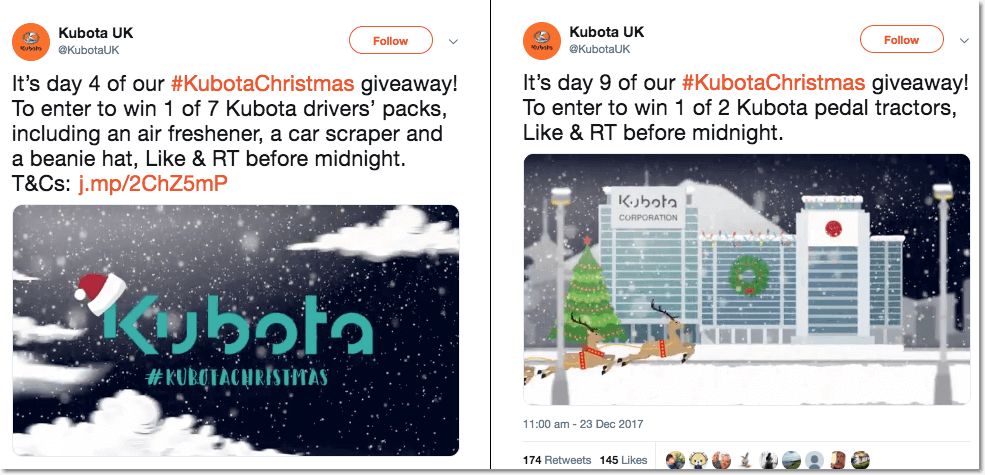
Kubota does this well with festive-themed Twitter giveaways that keep followers returning daily. Their simple visuals, clear rules, and joyful tone make the campaign feel inclusive and fun.
Showcase Behind-the-Scenes Holiday Prep
When you pull back the curtain and let your audience see how your holiday prep actually happens, you create a connection that feels real.
Here’s what you can do:
- Post short videos or stories of your team unpacking holiday stock, decorating shelves, or prepping gift-bundles.
- Share a photo of your workspace on December 1: “Here’s where our holiday magic starts!”
- Make it personal: mention a team member or craft that’s going into the holiday gift process.
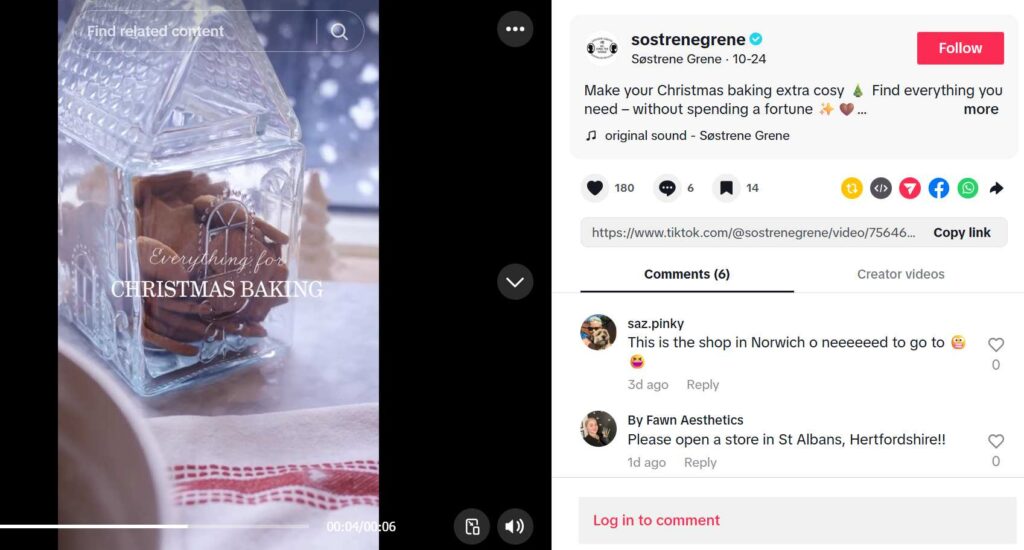
I love how Søstrene Grene (a Danish home-decor and craft retailer) does this around Christmas. They post their Christmas videos early with countdown to remind you of the big day.
Key takeaway: Don’t just focus on sales, humanize your brand and build trust too.
Share Customer Stories or Gift Inspirations
Highlighting how customers use or gift your products can feel more authentic than any ad. Encourage them to share stories, photos, or short videos showing your items as meaningful gifts during Christmas.
You can feature their posts on your feed, website, or newsletters. This creates social proof while helping others visualize how your products fit into holiday gifting moments.
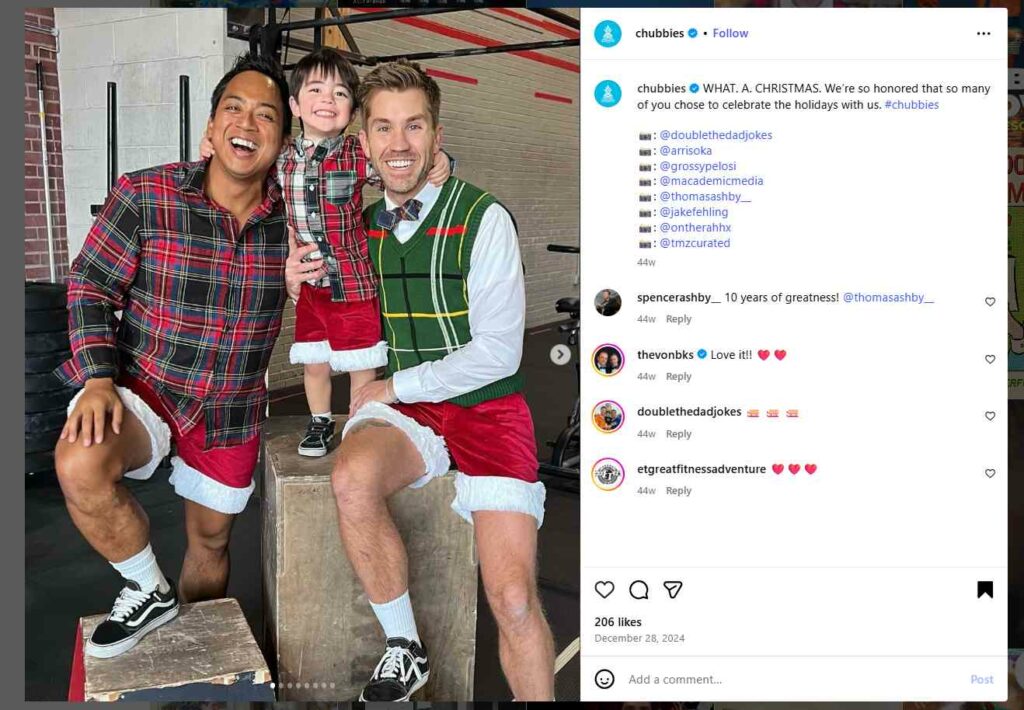
A great example comes from Chubbies Shorts. The brand invited customers to share real photos and stories of gifting Chubbies to friends or family. Each post carried humor, warmth, and holiday spirit.
Christmas Email Marketing Ideas
Email remains one of the best Christmas marketing ideas for small businesses. Here’s how you can turn existing subscribers to buyers:
Launch a Festive Email Series with Personalized Offers
Launching a multi-part email series around Christmas can move your customers smoothly from awareness to action. You should segment your list (e.g., loyal customers, one-time buyers, new leads) and send a sequence:
- Teaser Email – Highlight upcoming holiday collection or early access.
- Main Offer Email – Personalized selections based on past purchases or browsing history.
- Reminder / Last-Chance Email – Emphasise urgency, “Only 2 days left for holiday shipping”.
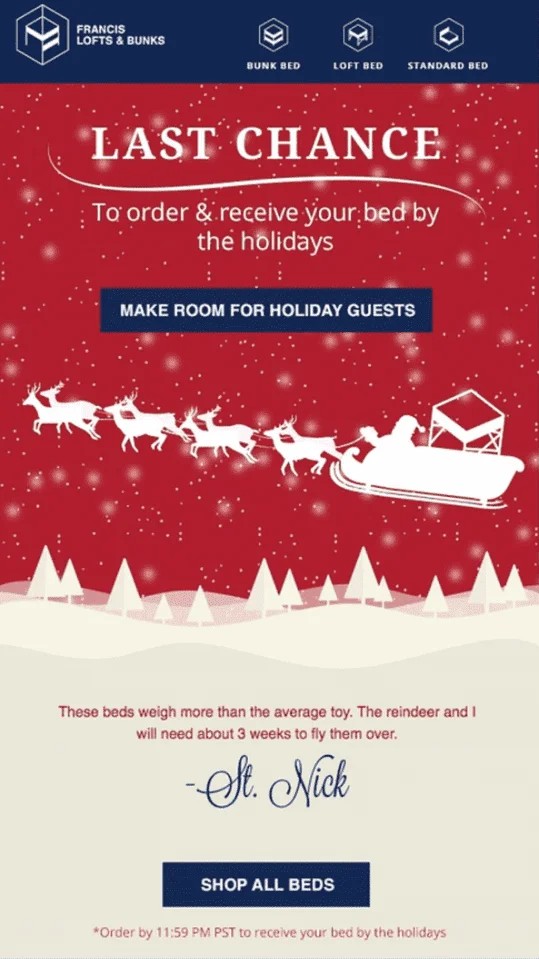
If you are selling on Shopify, you may want to learn more about Shopify email templates.
Create a Christmas Gift Guide Newsletter
Start by putting yourself in your customer’s shoes: they’re busy and maybe uncertain what to buy. A gift guide newsletter solves that by presenting your offerings in digestible themes and price points, making the decision easier for them, and faster for you.
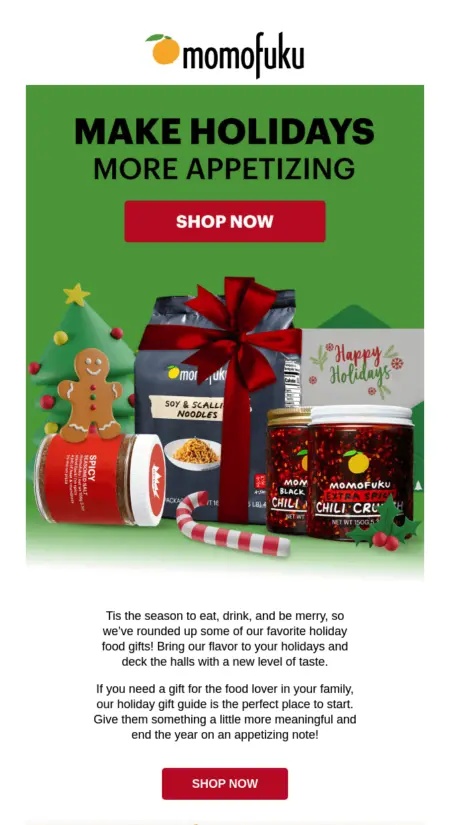
A great example is Momofuku Goods. Their holiday gift-guide email is simple and straightforward. On the other hand, you can apply this idea with more visuals of bundled items and holiday packaging.
Send Exclusive Offers to Loyal Customers
Holiday sales often attract new shoppers, but I’ve found that your most profitable audience is usually your existing customers. They already know your brand, trust your products, and are more likely to buy again — especially if they feel valued.
I recommend creating a VIP-only holiday email or private sale event just for repeat buyers. This can be early access to new gift bundles, free shipping, or a personalized discount code.
During the 2024 holiday season, Fenty Beauty treated its VIP email list to early access of its limited-edition holiday collection. The campaign was both email and SMS-driven for VIP subscribers, emphasizing exclusivity and urgency.
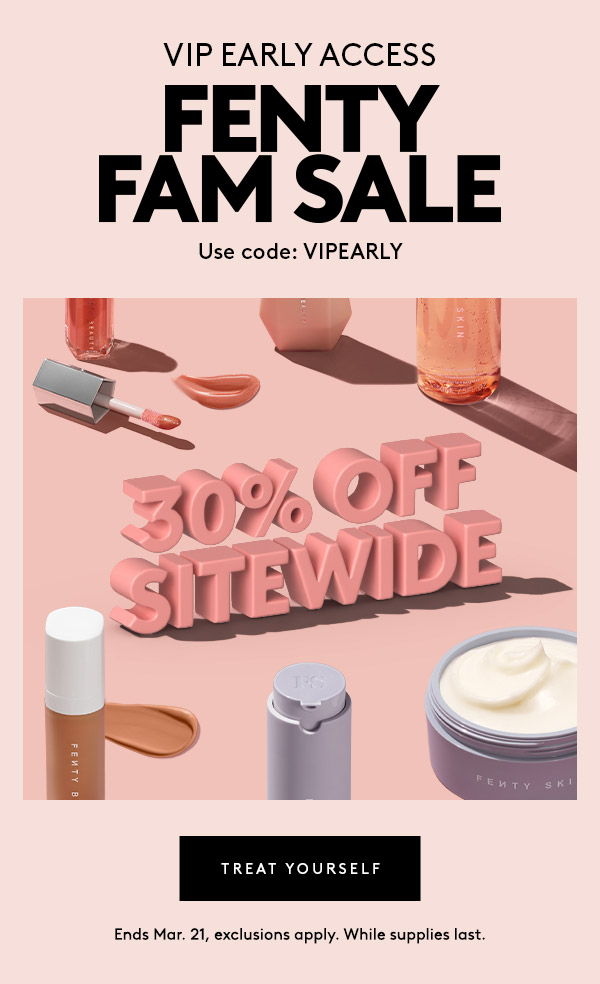
Resulting buzz and sell-out proved the tactic: early access increased conversions among loyal customers.
E-commerce Christmas Campaign Ideas
Your online store is your storefront this season. Optimizing it matters more than ever, and here are my suggestions:
Redesign Website with Holiday Visuals and Pop-Ups
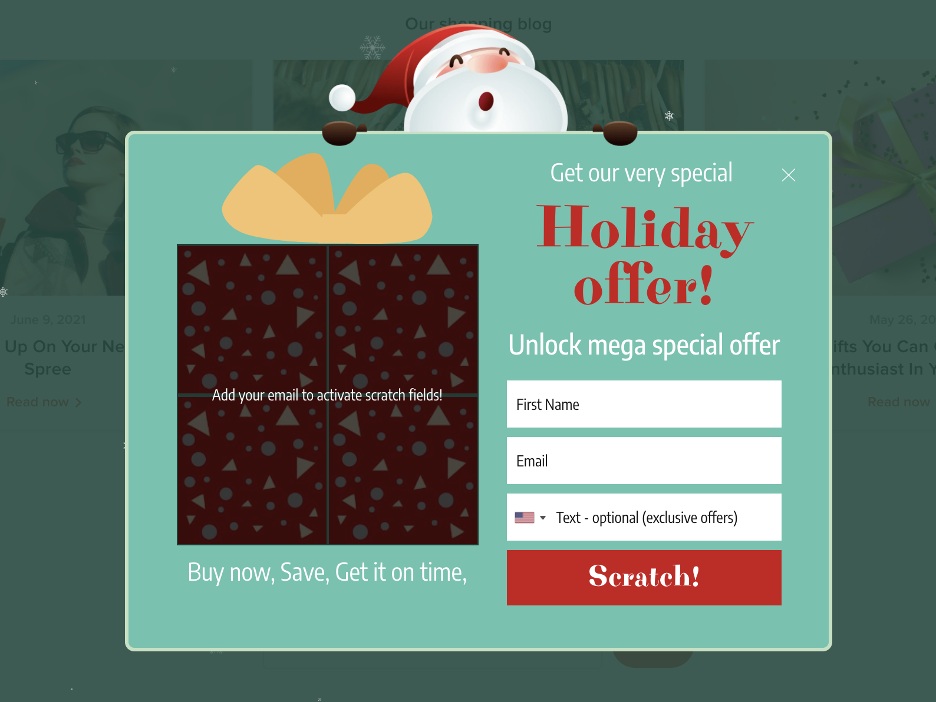
Pop-ups also play a powerful role. You can use one to promote special offers (“Get 15% off your first holiday order”) or announce shipping deadlines (“Order by Dec 20 to receive your gifts in time”). If possible, tailor pop-ups based on visitor behavior—first-time buyers see discounts, returning customers see exclusive bundles.
Enable Preorders and Gift Bundles
Creating pre-order options and curated gift bundles is one of the smartest moves your small business can make for the 2025 Christmas season.
What the idea covers
- Offer a holiday-themed bundle – for example, product A + product B + gift-wrap – at a slight discount, with “Ready by December X” promise
- Open pre-orders early, so shoppers lock in their gifts ahead of shipping delays and late-season chaos.
A strong example comes from BoozeBud’s Beer Advent Calendar campaign. The Australian online beer retailer launched limited-run Christmas calendars containing 25 craft beers, available exclusively through preorder.
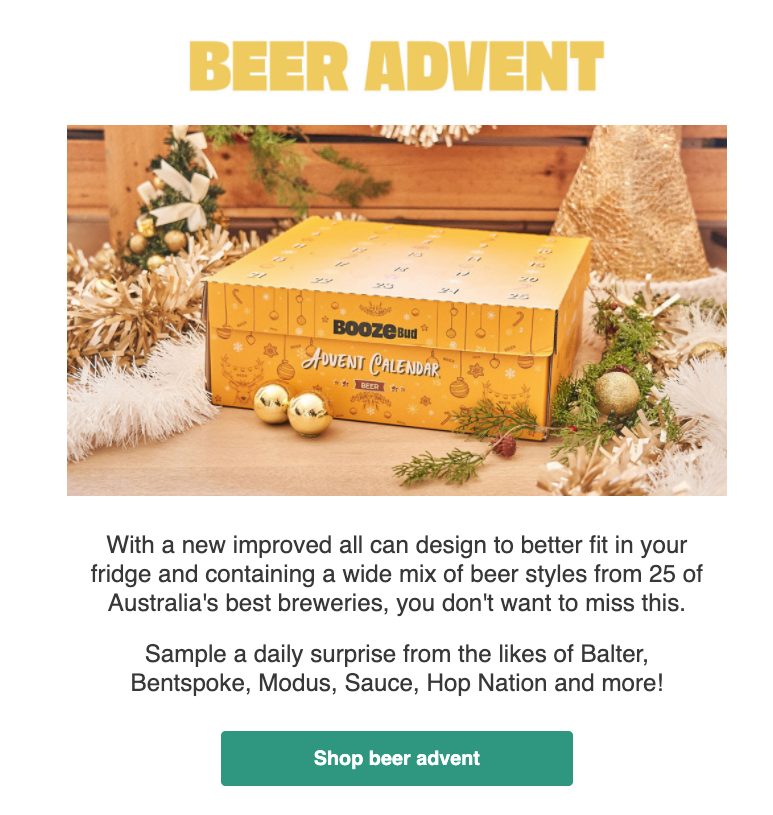
The campaign’s early launch and preorder model generated buzz, secured guaranteed sales, and helped BoozeBud manage stock efficiently.
Add Upselling and Cross-Selling Features
One of the best ways to increase average order value during the holiday season is by offering relevant upsells or cross-sells at the right moment. You might add a “Customers also bought…” suggestion on the product page, or show a pop-up during checkout that says, “Add this gift-wrap + card for $5.”
A good example comes from The Body Shop, which launched a holiday gift collection featuring themed bundles and clear prompts to “complete the set” with matching accessories. They used festive gift sets to encourage customers to buy more than the first item they added to cart.
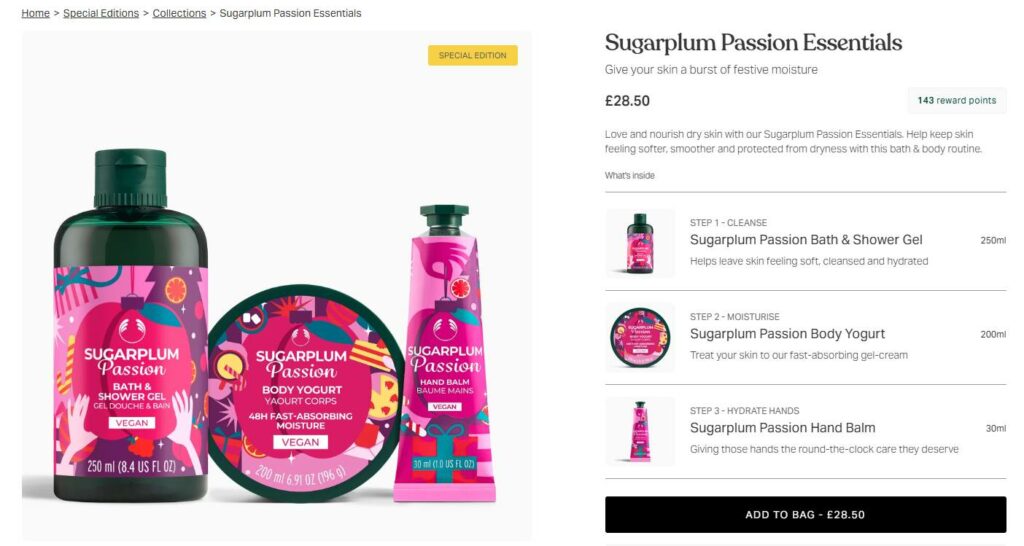
Small businesses can replicate this by recommending one complementary item (like a matching accessory or premium add-on) just before checkout.
Try these quick wins:
- Add a visual “Complete your gift” section under each product.
- Offer a limited-time discount on the add-on (e.g., “Add on scarf for 10% off”).
- Set your trigger at checkout so the recommendation feels timely, not intrusive.
Christmas Sales Promotion Ideas
Promotions are still a cornerstone. What matters is the right structure, urgency, and messaging.
Offer Early Bird Discounts and Countdown Deals
Getting an early start on Christmas promotions helps you capture shoppers before competitors flood inboxes with sales. Early bird discounts and countdown deals do exactly that — they create excitement while rewarding early buyers with better pricing.
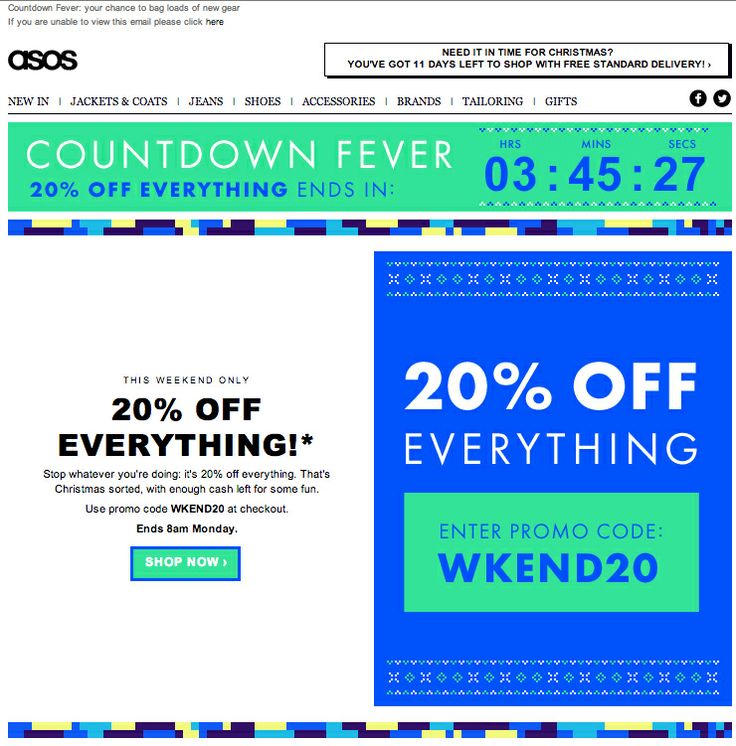
You can roll out “12 Days of Christmas” deals, flash sales, or tiered discounts like “Order before Dec 1 for 25% off, before Dec 10 for 15%.” This structured approach builds urgency and drives conversions over time instead of relying on one big promotion.
A strong example comes from ASOS, which ran a “Countdown to Christmas” campaign featuring limited-time offers. Each day’s deal was teased via email and homepage banners, keeping shoppers returning for new surprises. The tactic built anticipation and boosted repeat visits throughout December.
Implement a Referral-Based Holiday Campaign
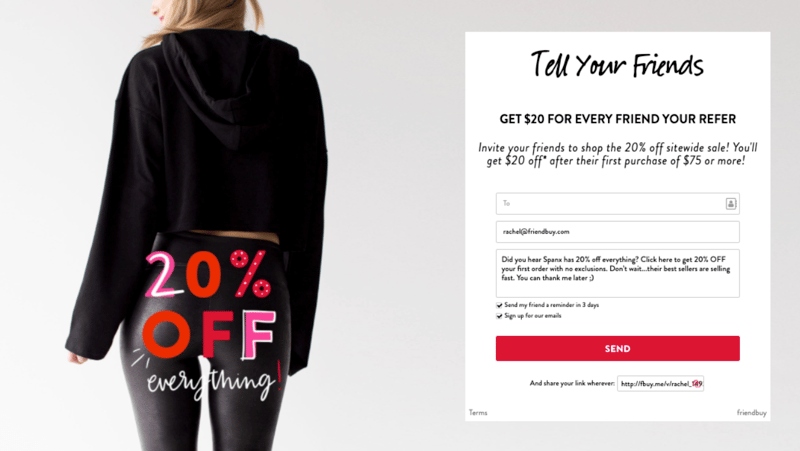
I’ve seen referral-based campaigns for small businesses work incredibly well during the holidays, especially when they align with the spirit of giving. The idea is simple: reward both the customer and their friend when they share your brand. It’s cost-effective, drives trust-based conversions, and gives your audience something to be excited about.
Spanx executed a holiday referral campaign where they increased the reward for referrals during December—existing customers earned double rewards and their friends received a bonus discount. This drove higher referral rates and new customer acquisition.
Relevant reading: How to Promote Referral Program: 11+ Best Practices for Small Businesses
Measuring the Success of Your Christmas Campaign
After running your Christmas campaign, you shouldn’t just move on to the next season. I always tell clients that measuring performance is as important as the creative execution itself. Knowing what worked—and what didn’t—helps you plan smarter for next year while optimizing ongoing promotions.
Start by reviewing three key areas: sales metrics, engagement performance, and customer retention. These will give you a clear picture of your overall campaign impact.
1. Track Sales and Conversion Metrics
The most straightforward indicator of success is revenue. Look at total sales, conversion rates, and average order value during your Christmas period. If you ran discounts, track how those affected profit margins. Shopify Analytics or Google Analytics can give you daily reports comparing year-over-year performance.
I like to go beyond sales and check cart abandonment rates and checkout completion to see if holiday offers truly converted interest into purchases. For example, if your abandoned cart rate dropped after introducing a countdown timer or pop-up discount, that’s a sign your promotion worked.
2. Measure Engagement and Reach
Engagement tells you how well your campaign connected with your audience. For social media, check metrics like likes, shares, saves, and comment sentiment. On email, analyze open rates, click-through rates, and unsubscribe percentages.
I recommend comparing these figures with your previous non-holiday campaigns. If engagement spikes during your Christmas series, it likely means your content resonated emotionally.
3. Assess Customer Retention and Loyalty
The best campaigns don’t just generate one-time sales—they bring people back. Review metrics like repeat purchase rate, referral sign-ups, and loyalty program engagement. If your referral or gift bundle ideas attracted new customers, check whether they made follow-up purchases after the holidays.
I always encourage small businesses to use cohort analysis in Shopify or Klaviyo. It helps reveal which Christmas buyers turned into regulars. If your January retention rate improved, your holiday campaign likely created strong emotional connections.
4. Gather Customer Feedback
Numbers tell part of the story, but customer opinions fill in the rest. Use post-purchase surveys, social polls, or direct emails to ask buyers what they liked about your campaign. You’ll be surprised at how honest people are about what made them buy—or what stopped them.
For instance, small candle brand Otherland runs quick post-holiday surveys through email, offering a 10% thank-you discount for feedback. This approach not only collects insights but also boosts repeat sales.
5. Evaluate ROI Across Channels
Finally, calculate your return on investment (ROI). Add up your total holiday spending—ads, influencer partnerships, discounts—and compare it with your total revenue. Then, break it down by channel (email, social, paid ads) to see which brought the best ROI.
In my experience, email marketing usually outperforms paid ads during the holidays because of its low cost and loyal audience base. However, if your social campaign generated exceptional reach at minimal cost, you’ll know where to double down next year.
FAQs
What is the best promotional strategy for Christmas season?
The best promotional strategy for the Christmas season is personalized email marketing. It allows businesses to reach customers directly with tailored offers, product recommendations, and limited-time deals.
When should small businesses start Christmas marketing?
Start by mid October or early November. Since many shoppers begin early and your campaigns may take weeks to gain traction, early start gives you a head-start.
What are affordable holiday marketing ideas for a tight budget?
Focus on: social media giveaways, referral marketing (which leverages your existing customers), email campaigns to your list, user-generated content. These cost little but build trust and reach.
Final Thoughts
In 2025, holiday marketing for a small business is about planning ahead, focusing on your customers, and creating experiences that feel personal, without over-extending your budget. By starting early, optimizing for mobile, offering meaningful value, and measuring results, you can turn the Christmas season into both a revenue driver and a foundation for year-round loyalty.

Finn Nguyen
Finn is a Shopify expert with 5+ years of experience helping new business owners launch and grow online stores. Specializing in store setup, theme selection, and optimization, he provides practical guidance to turn ideas into successful eCommerce businesses