12+ Food Business Ideas for Students To Start Today
Looking to make some extra cash and have fun doing it? These best 9 fun food business ideas for students are low-cost and can easily be started. All it takes is a few bucks and loads of creativity to venture into the world of food right from campus or even your dorm room. Read on to find out.
12+ Best Low-Cost Food Business Ideas for Students
Starting a food business as a student may sound daunting, but it is far more doable and rewarding than you may imagine. All you need is a fun idea, a little time, and the drive to try something new.
Here, we have rounded up the nine profitable food business ideas for students so that you can start around your college schedule. One of these ideas for food businesses as a student can be your perfect fit. Ready to get creative and make some cash? Let’s go into each one!
Food Blogging and Vlogging

Food content creation has become one of the most accessible and profitable ways for students to enter the food industry. Platforms like TikTok, Instagram, and YouTube have made it possible for anyone with cooking skills and creativity to reach a global audience. Furthermore, it’s reported that 50% of Gen Z and millennials use social media to discover new recipes and food brands, making this niche a powerful entry point for young creators.
Students can start by producing short-form recipe videos, kitchen hacks, or “budget cooking” tutorials that resonate with peers living on limited budgets. Once you build engagement, monetization becomes possible through ad revenue, sponsorships, and affiliate marketing.
Pros:
- Flexible hours
- Minimal setup costs
- Scalable with growing audience and followers
Cons:
- Require consistent content creation
- Take time to build an audience
- Some tech skills for video editing or website management (but you can learn this along the way)
Baked Goods

If you love baking, then the sale of homemade items can be one of those lucrative yet easy food business ideas for students. Some classic treats worth trying out include cookies, brownies, muffins, and cupcakes. These are all-time favorites and will work great either as quick breakfast options or satisfying snacks between classes.
For a different twist, one could also sell vegan or gluten-free treats, which are rather popular for health-conscious students who still want something delicious and without dietary inhibition. Freshly baked, small-batch homemade treats will also do very well.
Pros:
- Great for those with baking skills
- Potential for huge margins on homemade items
Cons:
- Require time for baking and delivery
- Need to follow food safety guidelines
DISCOVER: 150+ Best Shopify Store Name Ideas to Get Inspired
Bring your online food business to life for $1
Start with a free trial, and enjoy Shopify for $1 per month in your first 3 months.
Street Foods

Selling street food is one of the most practical and culturally rich food business ideas students can start. It requires low startup costs, offers quick returns, and allows immense creativity with recipes.
Students can start small with crowd favorites like skewers, dumplings, crepes, sandwiches, or grilled snacks, depending on local tastes and available ingredients. Offering a modern twist, such as fusion flavors, vegan versions, or regionally inspired toppings, … will help your food stand out.
Pros
- Low startup cost
- High demand
- Flexible hours
Cons
- Physical workload: Long hours standing, cooking, and managing queues
- Competition: Popular locations often attract many vendors, requiring creativity to stand out.
Smoothie & Juice Stand

With growing awareness of wellness and clean eating, a smoothie or juice stand perhaps would make a good small food business ideas for students.
To get started, you’ll need fresh fruits and vegetables. Strawberries, bananas, mangoes, spinach, and leafy greens like kale are among the popular options. These ingredients would usually move very fast because they tend to sell a lot in juices and smoothies depending on a variety of tastes.
In terms of location, the demand for such refreshing drinks will be particularly high on campus or next to a gym and student center. You can also deliver to dorms during study hours or on weekends.
Pros:
- Trendy and healthy option with high demand
- Flavors are relatively easy to experiment with
Cons:
- Need fresh ingredients daily
- A small investment may be required in blenders and storage
Gourmet Popcorn Sales

The craving for quick, flavorful snacks like popcorn, chips, and pretzels has never been more popular. Selling gourmet popcorn is one of those fantastic business food product ideas for students who want a low-cost, high-impact venture. It’s affordable, easy to make in large batches, and incredibly versatile.
Popcorn was popular because it is light, could be packaged easily, and had a long shelf life. Of these, flavored popcorn has become a favorite for the time-pressed students, especially when it comes in creative and bold flavors.
For a popcorn stand intended for foodies, adding flavours such as caramel, cheese, and Sriracha would be a hit. Even better, you can also sell sugar-free or vegan popcorn so that your health-conscious students can indulge in a snack guilt-free.
Pros:
- Low-cost ingredients
- Easy to make in batches
- Highly customizable with flavors
Cons:
- Competition with other snack options
>>> Want to name your food business? Check out our list of Business Name Ideas for Food.
Coffee Stands

Coffee is a timeless and profitable food venture for students. How many people need a quick cup of coffee in the morning? The answer is many. Starting with a small cart, pop-up booth, or bottled cold brew business allows for low-cost entry and steady daily sales.
Students should focus on simple and popular recipes to attract more customers. Using affordable, good-quality beans, offering both hot and iced options, and preparing drinks in advance during rush hours can improve efficiency.
Pros:
- Constant demand and repeat customers
- Low entry cost for small setups
Cons:
- High competition from cafés and chains
- Requires consistent quality control
Healthy Foods
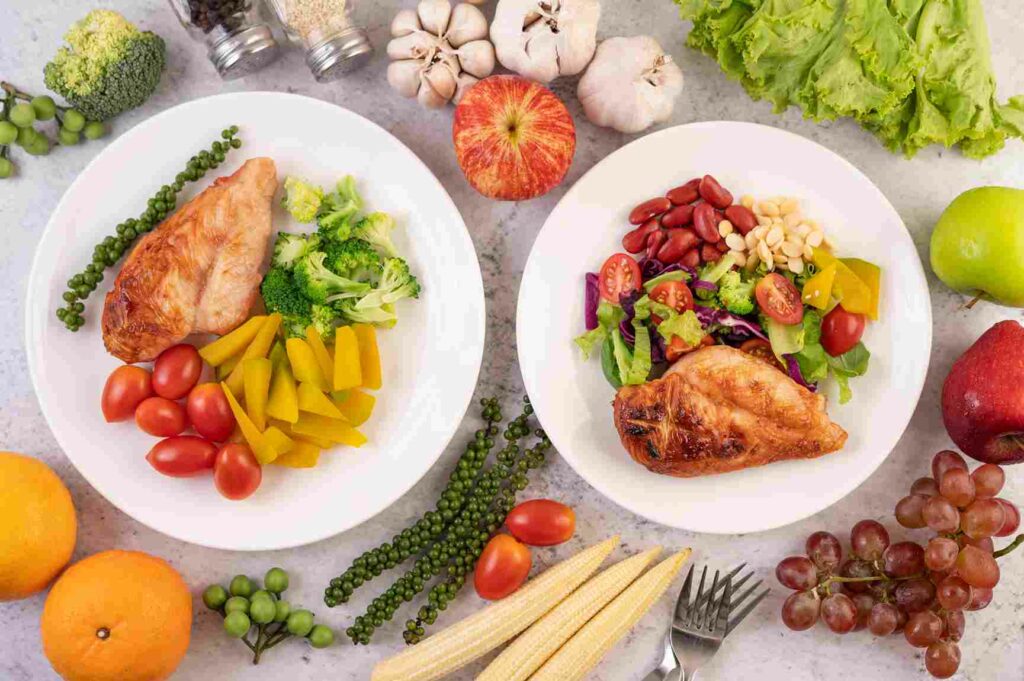
With consumers increasingly prioritizing wellness, there’s steady demand for clean, nutrient-rich options that fit busy lifestyles.
Students can start small by offering simple, balanced products such as salad bowls, granola bars, smoothie jars, or protein-packed snacks. These items appeal to both health-conscious peers and working professionals. Students should use fresh, locally sourced ingredients and transparent labeling helps build trust and reinforces the brand’s credibility.
Furthermore, social media is a powerful channel for promoting this type of business. Sharing nutrition tips, behind-the-scenes content, or short “meal prep” videos helps attract followers and potential buyers.
Pros:
- Increasing demand for healthy and sustainable foods
- High potential for social media engagement and brand partnerships
Cons:
- Requires strict ingredient sourcing and freshness management
- May have higher ingredient costs than standard snacks
Campus Snack Delivery

If you enjoy logistics and like being on the move, then running a campus-based snack delivery service would just be ideal. Snacks are always in demand on campus, especially for students looking for quick, convenient bites between classes or during late-night study sessions.
Stock up on popular and easy-to-prep items like sandwiches, chips, energy bars, and drinks. Then let others know about your service via social media, campus bulletin boards, or group chats. Nowadays, people value convenience more than ever, and having snacks just a text away adds a level of ease that’s hard to beat. As a result, your campus snack delivery business could really take off.
Pros:
- High demand for food with convenience, mainly during exams
- Easy to scale with popular items
Cons:
- Require coordination for orders and deliveries
DIY Meal-Prep
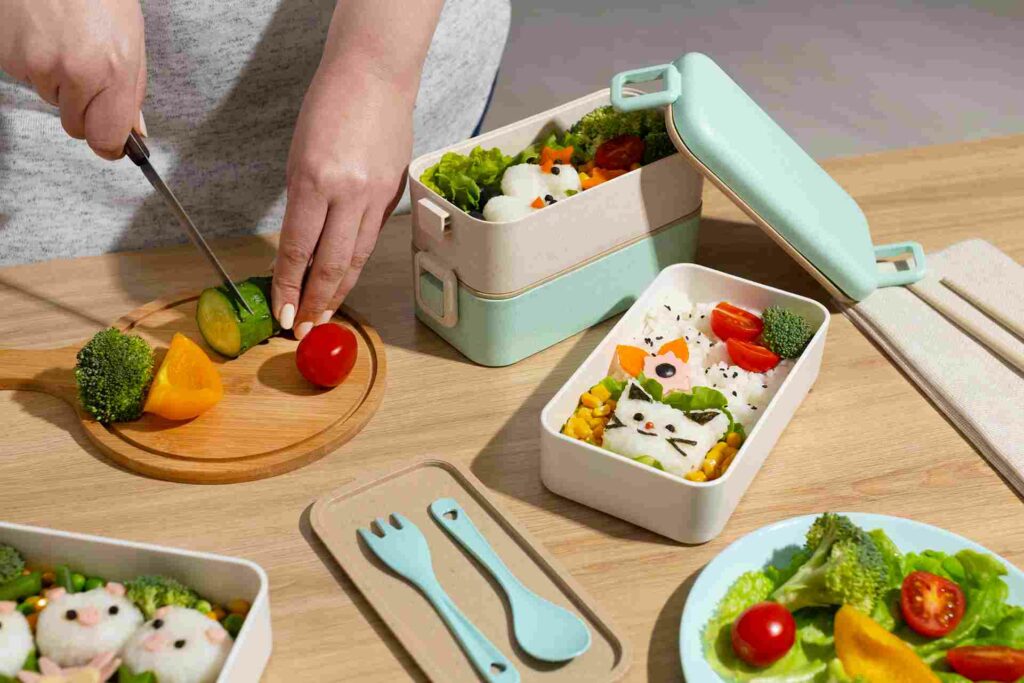
A meal-prep or frozen meal subscription is a practical food business idea for students who enjoy cooking and organization. With many people seeking convenient yet balanced meals, this concept meets growing demand for quick, home-style food options.
Students can start small by preparing weekly meal boxes or frozen ready meals for busy peers, especially those living in dorms or shared apartments. Recipes can focus on nutritious, affordable dishes that reheat well: pasta, stir-fries, or rice bowls.
Students can also offer customizable options, such as vegetarian, high-protein, or low-carb plans, attracting a broader audience.
Pros:
- Strong and growing demand for convenient, healthy meals
- Recurring revenue model from subscriptions
- Opportunity to build a loyal customer base
Cons:
- Requires reliable storage solutions
- Time-consuming preparation and delivery
Gourmet Sauce or Condiment Line

Launching a small-batch sauce or condiment business is an excellent starting point for students interested in food manufacturing. With minimal equipment and strong creativity, you can turn homemade recipes (chili oil, salad dressings, or chutneys) into shelf-ready products.
Focus on consistency, flavor balance, and food safety from the start. Once your formula is refined, consider selling through local cafés, markets, or online platforms. One little tip is to begin with one or two signature products before expanding your range to maintain quality control and manage production costs effectively.
Pros
- Low production cost with scalable potential.
- Easy inventory management.
- Sellable online, in markets, or via retail partners.
Cons
- Requires proper packaging and labeling
- Slower initial sales without strong marketing.
Mini Food Truck or Cart

A mini food truck or cart lets you bring food directly to students at campus hotspots, events, or popular local hangouts. This setup really allows you to sell food where the crowds are. Additionally, this form of mobile business attracts attention and lures starved students who are looking for a quick, yummy bite.
But how do you make your business stand out? Your target audience likely comes from diverse backgrounds and appreciates convenience and variety. Thus, options like fusion dishes, local favorites, or street food classics, like loaded fries, dumplings, or crepes, can make your food stand out.
Also, try to add a unique twist to your offering, such as interesting toppings, vegan choices, or seasonal specials. That may keep them interested and coming back for more.
Pros:
- Mobile business with good visibility
- Attract crowds at events and popular campus areas
Cons:
- Initial investment for the cart
- Require permits
>>> Want to kickstart your online food business ideas? Read our article: How to Sell Food Online: A Beginner’s Guide to E-Commerce Success
Healthy Snack Packs

Global healthy snack market valuation, which was USD 78.13 billion in 2019, is expected to reach USD 108.11 billion by 2027, at a CAGR of 4.2%. With this boom, offering ready-to-eat healthy snack packs is definitely a winning idea.
More people now look for convenient, nutritious options. Among which, items like trail mix, granola bars, or fruit cups are the most popular. They act as quick energy boosters without burdening one with the “guilt” of having consumed high-calorie food.
Along with such simple, environmentally friendly packaging, highlighting balanced nutrition and quality ingredients, these snacks will fly off the shelf in no time.
Pros:
- Meet demand for health-focused snacks
- Easy to prepare and customize for variety
Cons:
- Perishable items require storage
- Need to consider dietary preferences and allergies
Ice Cream Cart

An ice cream cart is one of those fun yet booming business ideas for students’ food that really shines during warm seasons like spring and summer, when everyone’s out and about. Along with other refreshing delights, ice cream is highly sought after during hot summer days.
Setting up an ice cream cart is quite straightforward and would be a hit on campuses, in parks, or at busy street corners. For flavors, you can opt for the usual vanilla and chocolate. Mix-ins like cookie dough chunks, crushed candies, or fresh fruits, or vegan or low-sugar versions also offer alternatives for more customers.
Pros:
- High demand in warm weather
- Appealing to a wide range of students and faculty
Cons:
- Seasonal demand
Cooking Classes for Beginners

The list of the best small food business ideas for students wouldn’t be complete without cooking classes for beginners. Considering how into home cooking people have been lately, especially among the young age groups, this venture could be highly enjoyable and profitable.
The fun thing about this is that it is so simple and requires little to get going with. Really, all one needs is access to a kitchen, some pretty basic ingredients, and a knack for teaching others. Then starting off by offering in-person sessions or recording online classes.
How about the potential? So long as you enjoy cooking and have the patience to teach, there is a growing pool of students who would like to learn. You may teach simple, easy-to-make recipes, meal prep, and even themed classes and cuisine workshops.
Pros:
- Teach valuable life skills
- Can be done online
- Easy to start with minimal tools
Cons:
- Require time for preparation and teaching
- May need access to a kitchen or venue
Why Should Students Consider a Food Business?

As a student, starting a food business is more than just a source of extra cash. Here are some reasons why you should take some small food business ideas for students into consideration:
Skills development
The food business helps you develop certain core competencies such as budgeting, planning, and solving problems. From inventory control to pricing, you will gain valuable insight into entrepreneurship that will transcend any career path you may choose in the future.
Flexibility and scalability
Food businesses often allow for flexible schedules, making it easier to balance work and studies. Some business ideas, like snack delivery or pop-up stands, can scale up or down based on demand. You can thus be totally in control of both your time and growth.
Low risk
Food is a constant need, and students are always on the lookout for quick, affordable meals or snack deals. By meeting specific needs, such as healthy snacks or convenience, you can establish a reliable base of customers with relatively low risk.
Boost creativity and build personal brand
A food business gives one an opportunity to show their creativity, starting from developing the recipe to branding themselves in the food business. That personality reflects in your business and branding, and it will help you later in jobs or ventures.
How Do You Get Started with a Food Business as a Student?
It is sometimes overwhelming opening up a food business, but it’s doable if you set your mind to it and go at it the right way. Here are some key steps to give you a basic roadmap:
Figure out the initial costs
First and most important of all, the money talk. But it doesn’t have to be something big. It’s about establishing a budget based on your food business idea. The essentials you will need to get started.
For instance, if you want to start a smoothie stand, you will need a couple of essentials to get you going: a blender and fruits. Want to deliver snacks on campus? It’s all about stocking up on popular treats and some packaging.
Save money by rummaging through secondhand stores or even asking around to see if anyone has what you might need. If possible, set it all out in a simple spreadsheet or spending app. It will help keep it all in check.
>>> If you don’t know where to start, check out Business Model Canvas examples. They provide you a template to follow.
Get the word out with fun marketing
This is the part where you can get creative and let people know about your food business. In this day and age, social media is indeed your best friend.
Snap some pics, do a quick TikTok, or post up on Instagram showing off your food and experiment with different content formats. Show your followers how you whip up those treats or what a busy day looks like behind the scenes in your business. People love that personal touch.
If you happen to be on campus, you may want to consider partnering with student clubs or events campus-wide; the majority of these will need snacks or catering for their different events, and it would come out as a win-win situation.
Word-of-mouth is also the best publicity. Give a small discount for every referral from friends, and just watch how buzzwords develop organically.
Use handy tools and resources
Starting a food business does not necessarily mean that one has to make everything from scratch. At your fingertips, budgeting applications will help track your expenses, while social media schedulers will enable you to schedule posts to save precious time on busy school days.
Some recommended tools for small food businesses:
- Canva (Free & Paid): Easy-to-use design tool for social media graphics and flyers.
- CapCut (Free): Quick video editing for TikToks or Instagram Reels.
- Buffer (Free & Paid): Schedule social media posts to save time.
- Wave (Free): Simple accounting for tracking expenses.
- Square/PayPal (Free & Paid): Accepts payments online and in person.
Keep it safe and know the rules
Food safety counts, even if it is just snacks for friends. Do an Internet search for basic food safety tips, particularly if you are using fresh ingredients.
Before you set up shop, check with student services or local councils about whether you need any permissions or permits. Some places are very relaxed, but it is far better to be on the safe side.
Balance your business and school life
A little planning can go a long way toward juggling school and a business. Try to control specific “business hours,” perhaps evenings or weekends, so that you can keep your studies in check. Prepare ingredients or supplies in bulk for time-saving, and even plan your social media posts in advance for the coming week.
When there is time between classes, use the off-hours to do little things like answering messages or planning your next course of action. Setting small, achievable goals for the day keeps you on schedule without overwhelming yourself.
FAQs
What are the most popular types of food among college students?
College students often go for easy, affordable bites like pizza, burgers, tacos, and sandwiches. Healthy picks like smoothies and salads are also popular, along with cookies, donuts, and coffee.
Do I need a license to sell food on campus?
For most cases. However, it varies depending on your school and local regulations. It’s best to check with campus administration or local authorities.
Do students need to register their businesses and file taxes?
That depends. For small side gigs, it’s often filed as “hobby income,” but for anything larger, you may need to file as a business. Contact a tax advisor or refer to online resources for further information.
Bottom Line
So there you have it — the best 9 unique food business ideas for students. From smoothie making to snack packs, there’s something lucrative for any level of skill and budget. Starting a food business as a student is an exciting, achievable way to get some entrepreneurial experience and a bit more spending cash. Just pick an idea that fits your schedule and the things that interest you, and don’t be afraid to start small.
Looking for more small business ideas for students? Visit BSS Commerce for more tips, resources, and inspiration.

Finn Nguyen
Finn is a Shopify expert with 5+ years of experience helping new business owners launch and grow online stores. Specializing in store setup, theme selection, and optimization, he provides practical guidance to turn ideas into successful eCommerce businesses