How to Start an Online Thrift Store with Low Budget (Guide & Tips)
Opening an online thrift store has never been easier. Ecommerce platforms give anyone the tools to set up a store without technical skills or big budgets. The key is learning how to be cost-effective from the start.
With smart planning, you can cut unnecessary expenses, save time, and avoid mistakes that slow you down. In this article, we will guide you on how to start an online thrift store with low budget.
Understanding the Thrift Store Market
Starting an online thrift store means reselling second-hand items digitally. Think of your store as a digital treasure chest – a curated collection of used goods, from clothing to furniture – ready for rediscovery. Unlike physical thrift shops, you avoid rent, displays, staffing. You only need a camera (even smartphone), user-friendly ecommerce platform, shipment process.
As of 2025, 93 % of U.S. consumers buy second-hand items online. That cultural shift makes online thrifting one of the most promising markets right now, and in the near future.
Let us guide you through key steps of how to start an online thrift store business, low budget edition.
6 Key Steps to Open Your Online Thrift Store on Low Budget
Step 1: Identify niche
Before uploading your first item, decide what type of thrift store you want to run. “Selling secondhand stuff” sounds easy, but it is too vague. A clear niche helps attract the right buyers and guides your sourcing, pricing, and marketing.
Ask yourself: Who are you curating for, and how will your store fit into their lifestyle? Here are a few ways to find out your niche:
- Reddit research: Communities like r/ThriftStoreHauls is where you see what items secondhand shoppers value most.
- Marketplace analysis: Browse Etsy, Depop, and Poshmark to see what’s trending, how sellers describe their shops, and which listings get attention.
- Social media signals: Search Instagram and TikTok hashtags like #ThriftFlip, #Y2KStyle, or #SustainableLiving to see which aesthetics generate buzz.
- Keyword tools: Use free tools like Google Trends to check if demand is rising for categories like “vintage denim” or “retro sneakers.”
When you focus, your store feels curated instead of cluttered, which makes it easier to stand out.
Reminder: U.S. Consumer Product Safety Commission provides guidance for resellers to avoid unsafe or banned items.
Step 2: Budget-friendly sourcing strategies
Your thrift store lives or dies by inventory. The good news? You can find quality items at little or no cost.
- Thrift stores, yard sales, donation drives
Local thrift shops and neighborhood yard sales often hide overlooked gems. Go early in the day for the best picks, and don’t hesitate to negotiate prices when buying in bulk. Donation events hosted by schools, churches, or community groups can also supply inventory at no cost.
- Online marketplaces
Digital platforms like Facebook Marketplace, Craigslist, and Freecycle list thousands of low-cost or free items daily. Use search filters for “free” or “curb alert” listings and set up saved searches for categories you plan to resell, such as “retro furniture” or “vintage jackets.”
- Friends, family, community networks
Sometimes the best inventory is sitting in someone’s closet. Spread the word that you’re starting an online thrift store and welcome donations.
Step 3: Craft lean business plan
Even if you’re starting small, a basic business plan helps you stay focused and avoid costly mistakes. Think of it as your roadmap; it doesn’t have to be long or formal, but it should cover the essentials that matter for an online thrift store.
- Set clear goals: Decide what success looks like for your first few months. Is it about website traffic, or actual sales?
- Define your niche and sourcing strategy: Write exactly what types of thrifted goods you’ll focus on, plus your sources.
- Plan your pricing model: Check what similar items sell for on platforms like eBay, Depop, or Etsy. Factor in your acquisition cost, and platform fees. Many thrift resellers aim for at least a 2–3x markup to stay profitable.
- Choose sales channels and marketing approach: Sketch out simple marketing ideas
- Do a quick financial forecast
💡Pro tips: We have prepared a sample business plan for people who want to know how to start an online thrift clothing store (or thrift stores in general, you can apply the same format!). Don’t hesitate to be flexible with each element to fit your business goals.
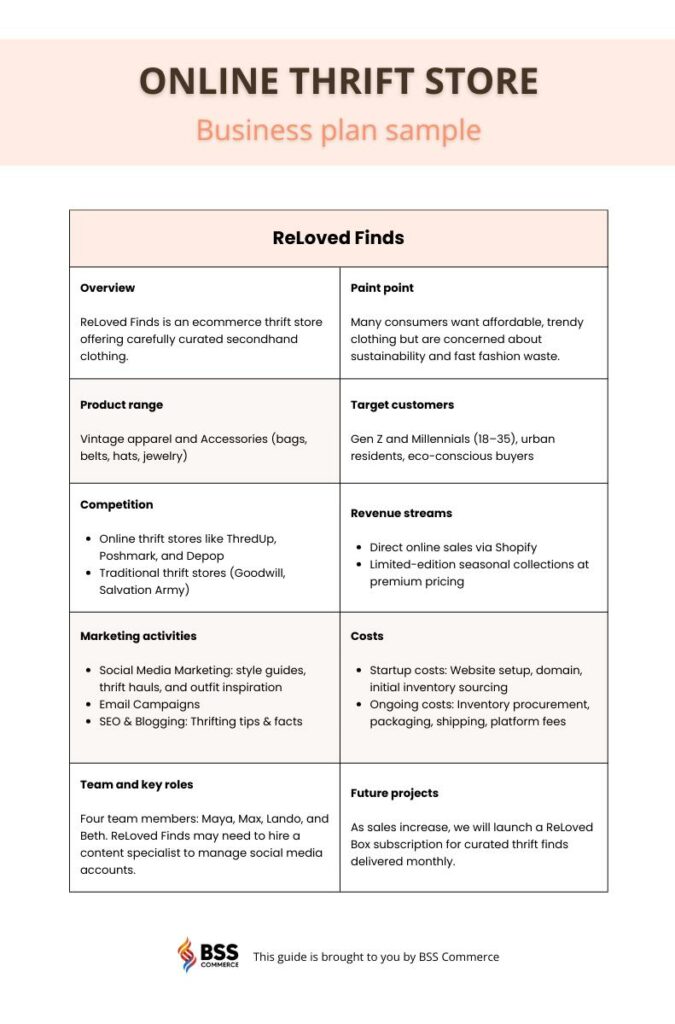
You can consider other business models to apply, too. There are many Business Model Canvas examples that you can learn from.
Step 4: Registering your thrift business
Making your thrift business official is a key step toward long-term success. Legal registration separates you personally from your business, which helps protect your personal assets if any legal issues arise.
It actually saves you money, too. Many startup and operating costs can be deducted as business expenses.
Alongside registration, look into retail insurance. This protects you if a shopper gets injured, if you accidentally sell an item that causes harm, or if theft or property damage occurs.
Since business rules vary depending on where you live, here are examples of what to expect:
- United States: You may need to register as an LLC, S-corp, or sole proprietorship depending on your goals. Check the U.S. Small Business Administration (SBA) for guidance.
- European Union: Requirements differ by country, but you typically must register with a local business registry or chamber of commerce. The Your Europe portal offers official guidance for EU member states.
- Nigeria: Registration is done through the Corporate Affairs Commission (CAC). You’ll choose a business structure, register your name, and file the required documents online.
No matter where you are, you should also check whether your store needs a general business license or a sales permit, especially if selling restricted items like alcohol or tobacco.
Step 5: Setting up your online website (with minimal cost)
Once you have inventory and a plan, the next big step is deciding where to sell. How to start an online thrift store from home, you ask? You have two options, and many thrift resellers use both.
Curious which one is better? Here’s a side-by-side look between marketplaces and e-commerce platforms (specifically Shopify):
| Feature | Marketplaces (Depop, Poshmark, eBay) | Your Own (Shopify) Website |
| Startup Cost | Very low, usually free to list | Low monthly fee (affordable for beginners) |
| Branding Control | Limited (your shop looks like every other seller) | Full control over design, layout, and customer experience |
| Fees | Platform fees and commissions on each sale | Lower transaction fees, keep more profit long-term |
| Customer Relationship | Hard to build loyalty, no email list access | Collect emails, send promotions, create repeat buyers |
| Scalability | Restricted by platform rules | Flexible (add apps, payment options, loyalty programs) |
For most thrift sellers, the best approach is to start on a marketplace for speed and testing, then expand into platforms such as Shopify and Wix to build a long-term, profitable brand you fully control.
>>> Check out Shopify’s $1 for 3 months offer.
Step 6: Marketing on Low Budget
When advertising funds are limited, the most effective strategy is authenticity. Customers drawn to thrift shopping value stories, creativity, and community more than polished ad campaigns. With Shopify as your base, you can connect with the right audience using low-cost tools and organic reach.
Practical approaches to start with:
1. Social Media Storytelling
Focus on social media platforms such as Instagram, TikTok, and Pinterest. Showcase thrifted items with mini-stories: the history of a vintage jacket, a creative thrift flip, or how a secondhand find completes a look. Behind-the-scenes content such as sourcing trips or packaging orders can add a personal touch that builds trust and engagement.
2. Content Marketing
Publish helpful blog posts such as “How to Build a Capsule Wardrobe with Thrifted Pieces” or “Beginner’s Guide to Sustainable Fashion.” These posts attract organic traffic through SEO while positioning your store as a go-to resource for this particular style.
3. Community Engagement
Connect with local Facebook groups, college communities, or sustainability clubs. Offer small discounts to early customers who share your shop link or post about their purchases. This type of grassroots promotion often spreads faster, and with more credibly than paid ads.
4. (For Shopify users) Install Free Marketing Apps
Shopify’s app store offers free tools that make promotion easier without draining your budget. For example, Shopify Email app can help you send simple newsletters. Find out more in our list of the best free Shopify apps.
Overall, low-budget marketing thrives on creativity and consistency. By telling real stories and fostering community, your thrift shop can build a loyal following without spending heavily on advertising.
>>> Ready to start your business? Check out our list of cool thrift store names.
Examples of Successful Shopify Thrift Stores
Here are two noteworthy thrift stores in terms of website design and branding that you can check out for inspiration!
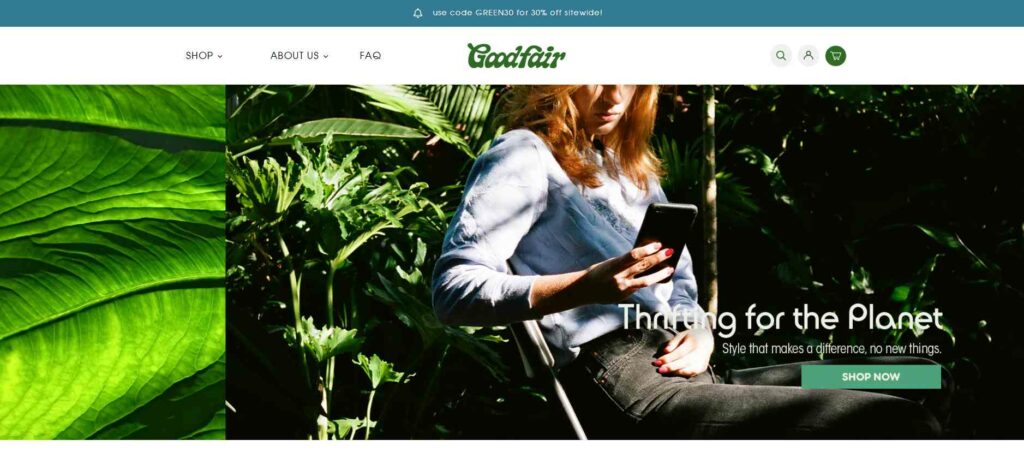
Goodfair brings a fun twist to the thrift experience by selling mystery bundles of pre-loved clothing. Their Shopify store is clean, easy to navigate, and prioritizes sustainability with affordable pricing and eco-friendly packaging. The “surprise bundle” concept adds excitement and encourages social sharing among customers.
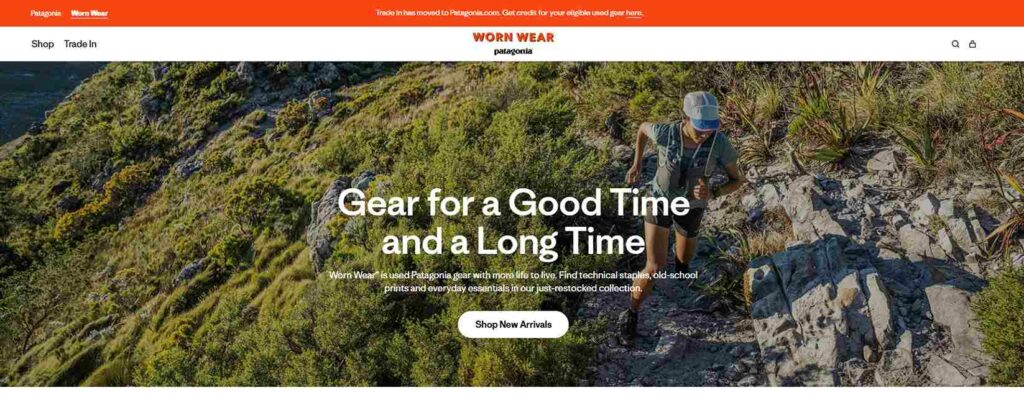
Patagonia’s Worn Wear is their official resale shop for gently used outdoor gear and apparel. It features over 10,000 items, with an average price around $75 (USD). The site offers in-depth product condition details, transparent pricing, and a trade-in system that reinforces brand values like repairability and environmental responsibility.
>>> Wanna kickstart your thrift store business on Shopify? Here are some useful resources to help you navigate the platform:
- Shopify Pricing Plans Review: How Much Does Shopify Cost (2025)?
- How Does Shopify Work 2025: What Sellers Must Know
FAQs About Starting an Online Thrift Store with Low Budget
How to open a thrift shop with no money?
Starting a thrift shop with little to no money is possible by sourcing donated items, partnering with local charities, or using consignment agreements where sellers earn a percentage only when items sell.
You can begin online through free marketplaces or social media, then reinvest profits into scaling.
How much money does it take to start a thrift store?
Startup costs vary depending on location, size, and setup. A small online thrift shop may need under $500 for inventory, branding, and marketing. A physical thrift store could cost between $10,000–$30,000, including rent, licenses, insurance, and store setup.
Which platform is the most cost-effective?
For thrift stores, Shopify is a strong option if you want a professional store with scalable features. Choosing the right platform depends on your budget, target audience, and long-term growth goals.
How to successfully run a thrift store?
Success comes from consistent sourcing of quality items, fair pricing, and excellent customer service. In addition, some practices that small thrift shops often overlook such as tracking inventory, analyzing sales trends, and reinvesting profits can also ensure sustainable growth.
Final Thoughts
Launching a thrift store, even with limited funds, is absolutely possible when you combine creativity, community support, and smart use of digital tools. By leveraging platforms like Shopify, you can turn secondhand treasures into a sustainable business. BSS Commerce hopes our resources have guided you step by step.
Reach out if you’d like expert support on setting up your Shopify thrift shop.

Finn Nguyen
Finn is a Shopify expert with 5+ years of experience helping new business owners launch and grow online stores. Specializing in store setup, theme selection, and optimization, he provides practical guidance to turn ideas into successful eCommerce businesses