14+ Best Things to 3D Print and Sell Online in 2025
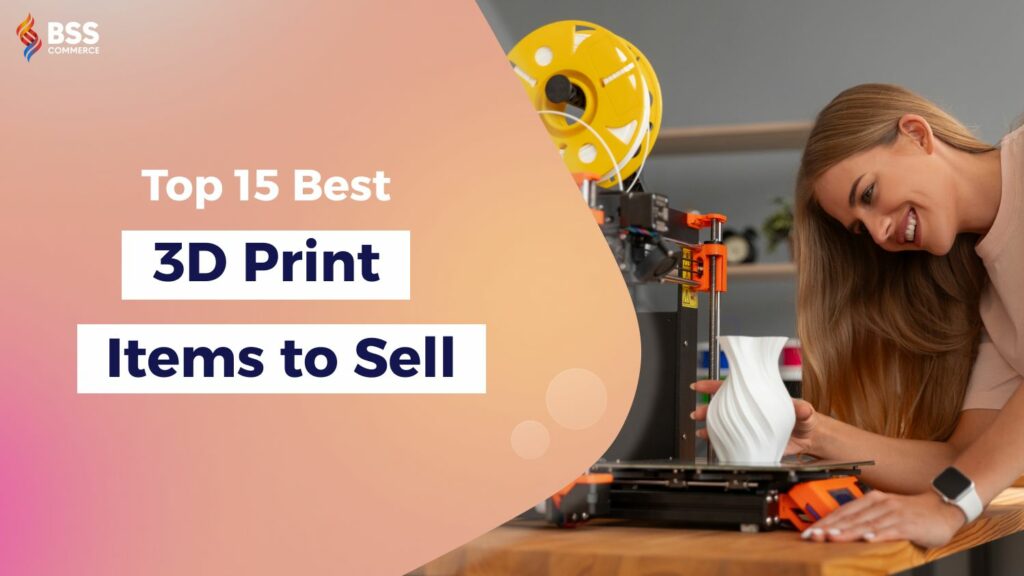
3D printing has moved beyond hobbyist circles into a profitable business space. Entrepreneurs now use it to create practical goods, personalized items, and niche products that traditional manufacturers overlook. This creates opportunities for individuals to tap into a growing online market by selling 3D-printed creations.
In this article, we will discuss in-depth about the top cool things to 3D print and sell in 2025, with real data and evidence.
Why 3D Printing Is a Profitable Market in 2025
3D printing combines flexibility and cost efficiency. Unlike traditional manufacturing, there is no need for bulk production, warehousing, or significant upfront investment. Instead, creators can produce on demand, customize designs, and reduce waste.
Key figures highlighting profit potential:
- The global 3D printing market is projected to reach USD 23.4 billion in 2025
- Affordable, small-scale 3D printers stand to benefit: expected to hit USD 6.7 billion in 2025
Opportunities for new, small-scale sellers
3D printing moves toward mainstream manufacturing, as there is an increasing number of users buy entry-level printers. In Q1 2025, shipment of printers under USD 2,500 grew 15 percent, while industrial and mid-range models declined.
Furthermore, transformational tech, like AI-designed structures, will bring more complex, custom prints faster and cheaper.
Essential Materials and Skills for 3D Printing
To succeed in 3D printing, you need the right materials and practical skills. Beginners and professionals approach this differently:
Materials:
- PLA filament: Beginner-friendly, affordable, and safe for most prints
- 3D printers
Skills:
- Printer operation basics: Bed leveling, filament loading, and troubleshooting.
- Slicing software: Beginners can use free tools like Tinkercad or Cura; advanced creators often use Fusion 360 or SolidWorks.
- Design skills: From editing existing models to creating custom designs.
Beginners should focus on PLA and free software while learning core printer operations. Professionals or those with higher budgets can explore specialty filaments, resin printing, and advanced design tools to produce premium products.
14+ Best Things to 3D-Print and Sell in 2025
Here is a summary table of 15 of the best things to 3D print and sell in 2025, with estimated profit margins, material costs, and skill levels required:
| Item Name | Profit Margin (USD) | Material Costs (USD) | Skill Level Required |
| Phone cases | $10–25 | $1–3 | Beginner |
| Phone holders or mounts | $8–20 | $1–2 | Beginner |
| Home decor | $20–50 | $3–8 | Intermediate |
| Keychains (and other customizable items) | $5–15 | <$1 | Beginner |
| Gaming and hobby products | $15–40 | $1–3 | Intermediate–Advanced |
| Articulated toys or figurines | $15–30 | $2–4 | Intermediate |
| Cosplay accessories | $50–200 | $10–30 | Advanced |
| Replacement parts | $10–50 | $1–5 | Intermediate |
| Custom cookie cutters | $8–20 | $1–2 | Beginner |
| Wall racks, storage hooks | $10–25 | $2–5 | Beginner–Intermediate |
| Novelty lamps | $25–70 | $5–15 | Intermediate–Advanced |
| Retro or themed planters | $15–40 | $3–8 | Intermediate |
| Pen holders | $10–30 | $2–6 | Beginner–Intermediate |
| Seasonal or niche home décor | $20–60 | $3–10 | Intermediate |
| Shoe accessories | $5–15 each | <$1 | Beginner |
Business Considerations for Selling 3D-Printed Products
- Material choice: Material directly affects product quality and cost. For instance, PLA suits decorative or light-use products, while ABS and PETG are better for strong, heat-resistant goods.
- Skill required: Understanding personal skill level helps in selecting items that match production capability. Some products can be handled by beginners using free design software and entry-level printers, while others require more advanced skills.
- Design ability: Distinctive, original designs are need to make common products (such as phone cases and holiday ornaments) stand out in marketplaces.
1. Phone cases
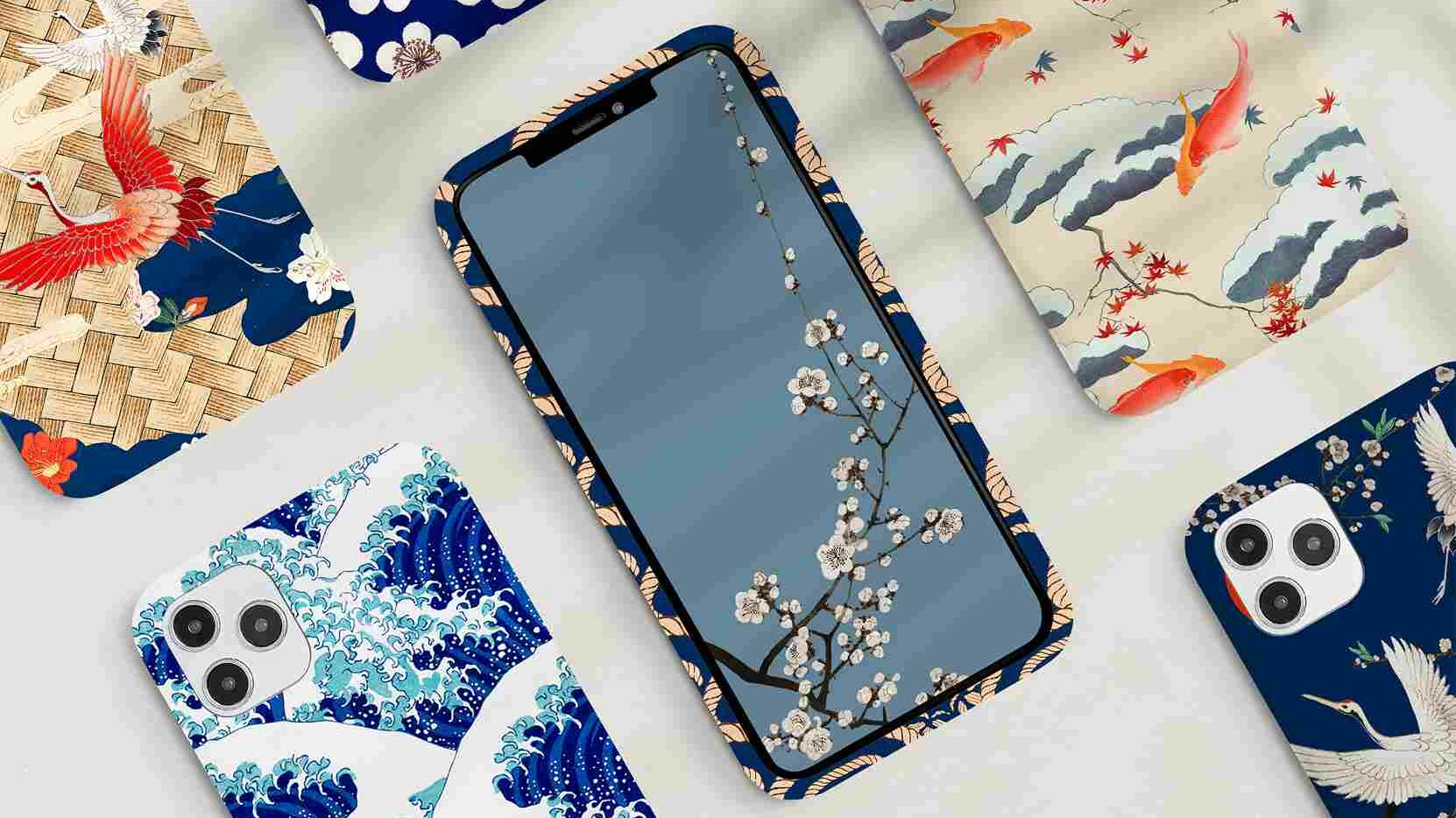
Customizable phone cases remain one of the most consistent things to 3D print and sell online. Demand is driven by frequent new phone releases and the desire for personal expression. According to Statista, over 1.2 billion smartphones are sold globally each year, which ensures constant demand for accessories.
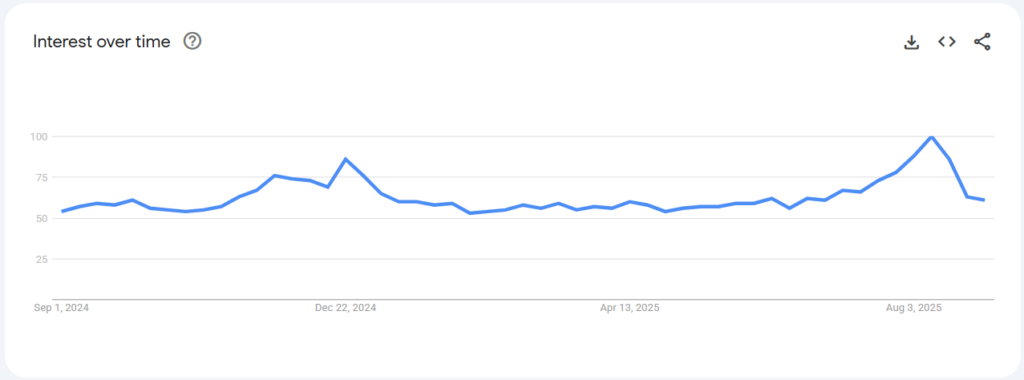
Google trend data for phone cases worldwide
2. Phone holders or mounts
Simple designs that use minimal material costs are popular with a wide range of buyers. Etsy trend reports frequently list phone stands and mounts as top-selling accessories due to their practicality and affordability.
3. Home decor items (Planters, vases, wall art)
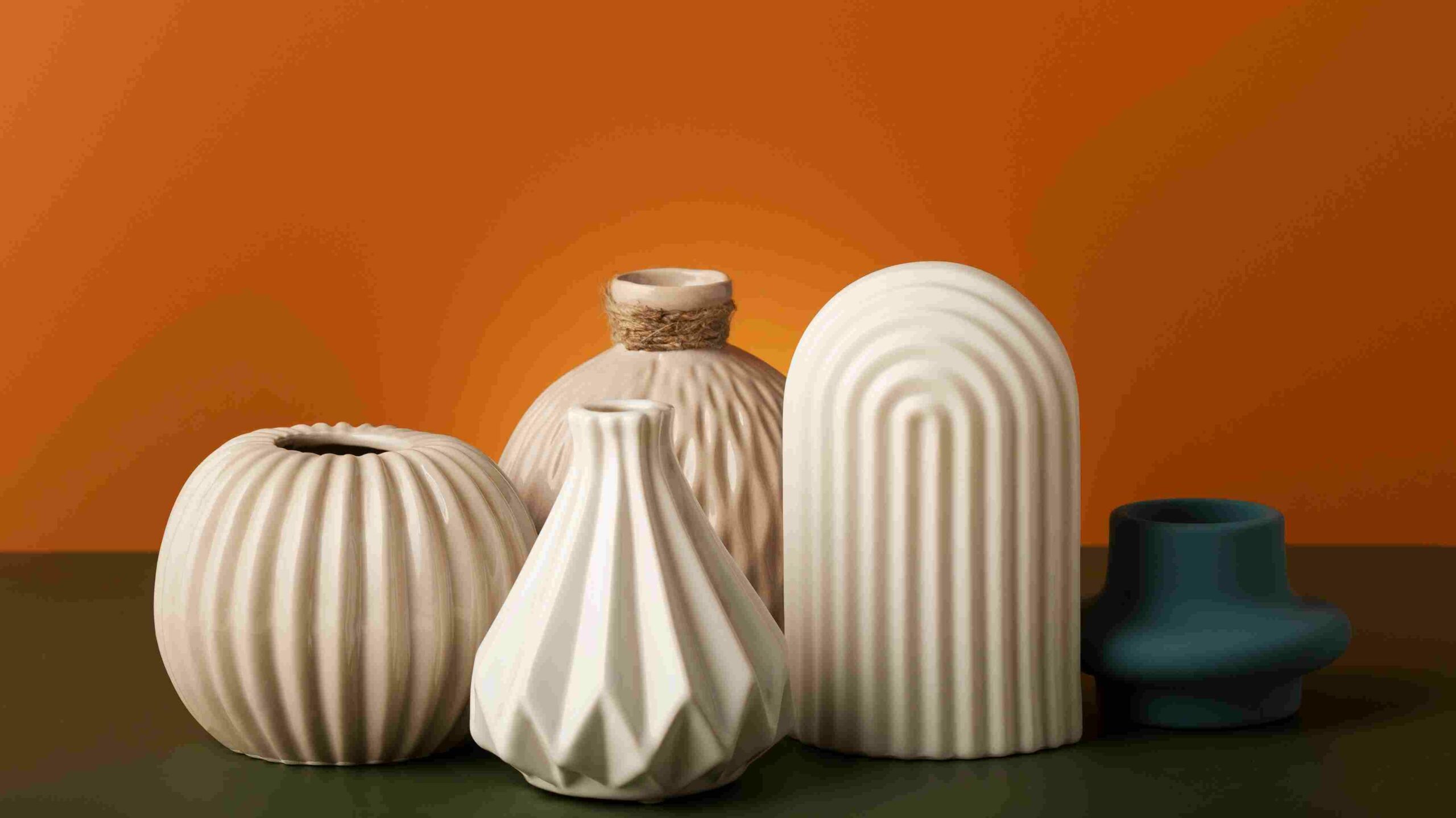
Home decor can be considered one of the most mainstream things to 3D print and sell online. Unique home décor items attract buyers who want something visually striking. 3D printing allows complex, organic shapes that are hard to create by hand. The global home décor market, valued at over USD 700 billion, continues to expand, providing ample opportunity.
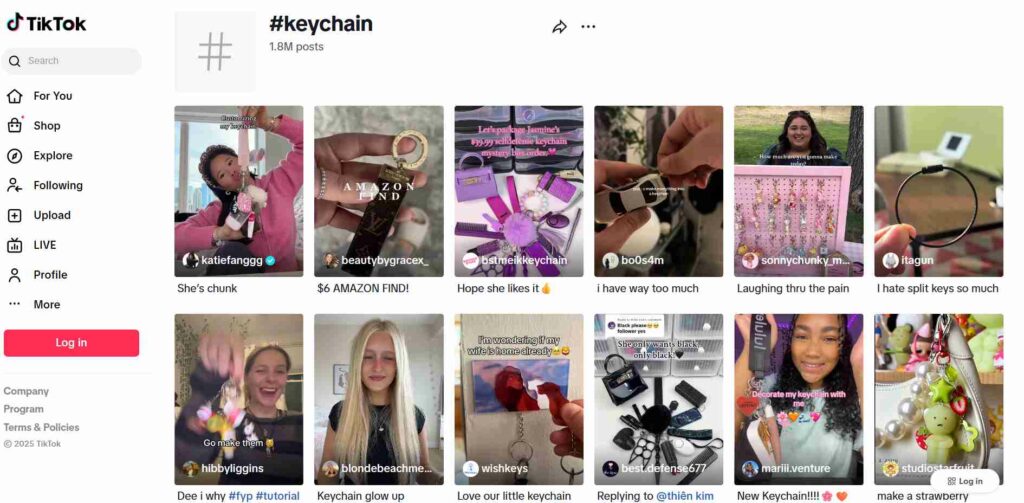
4. Keychains and other customizable products
These are lightweight, low-cost items that generate high margins. Custom designs – such as monograms, logos, or humorous text – make them appealing for both personal use and gifts. If you are planning to sell in this category, you should promote on social media where it often gathers high engagement.
5. Gaming and hobby products
The tabletop gaming industry has an estimated market size of USD 15 billion. Fans pay for unique miniatures, whether unpainted or finished. Many creators also sell digital STL files alongside physical models, creating multiple income streams.
6. Articulated toys or figurines
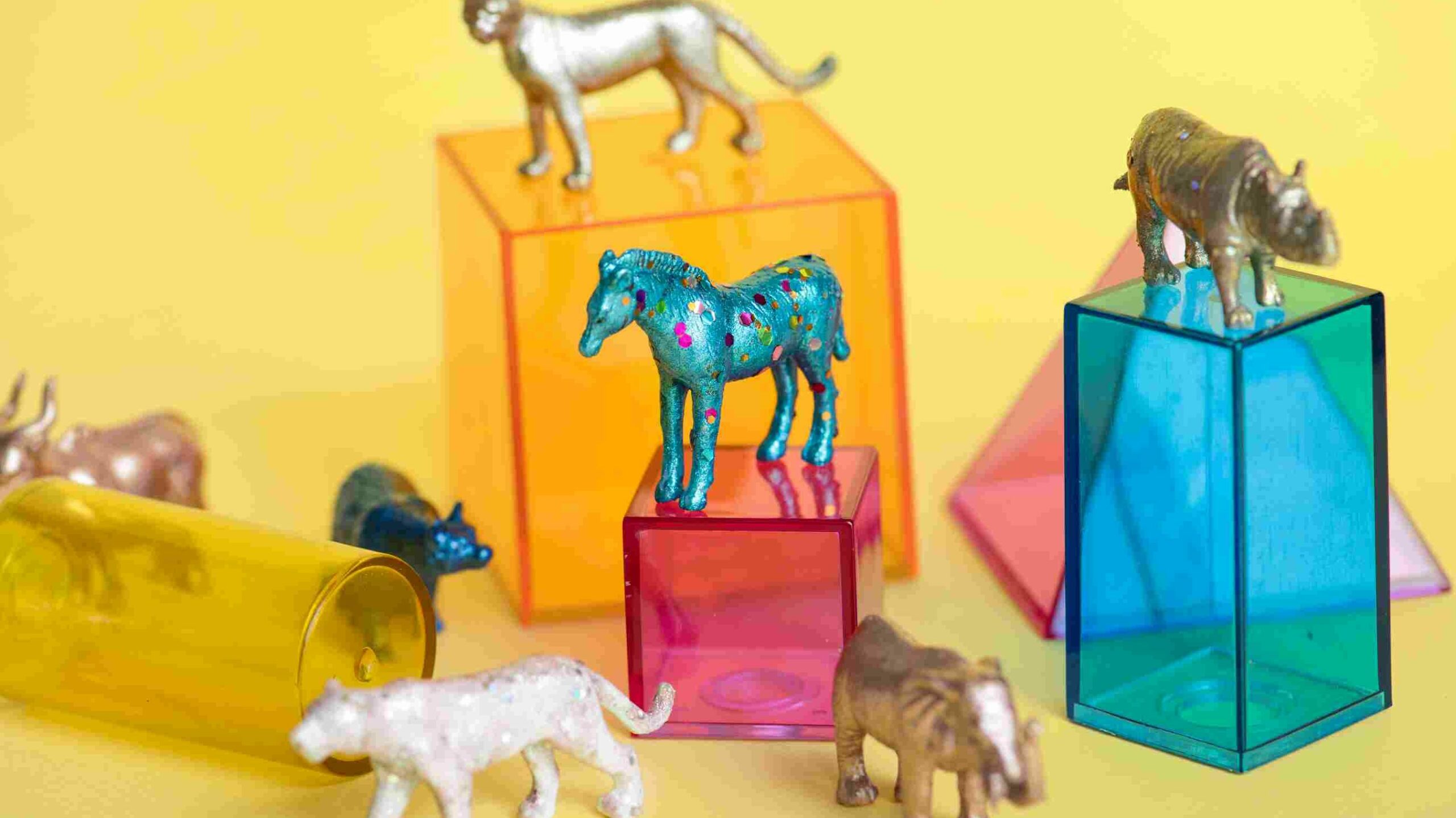
Toys with moving joints, such as dragons or robots, often go viral on TikTok and Instagram. They are fun, visually engaging, and relatively easy to produce, making them strong candidates for high-volume sales.
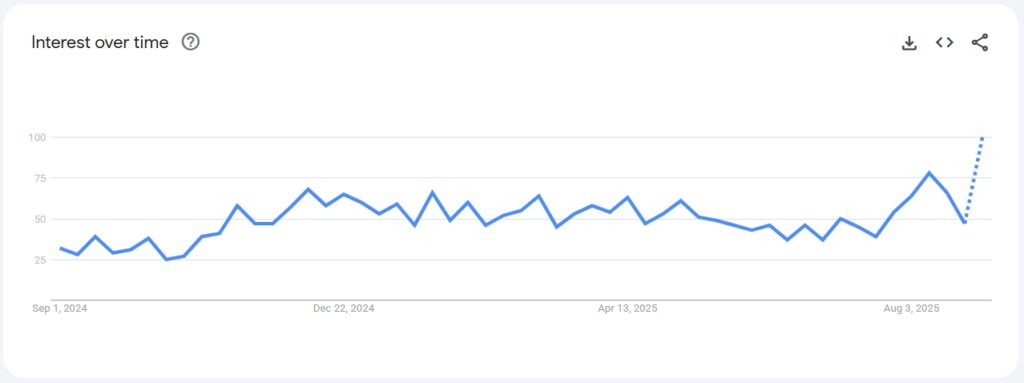
Google trend data for 3d printed toys wordwide
7. Cosplay accessories
The cosplay industry is expected to reach USD 5 billion globally by 2027. Enthusiasts are willing to pay premium prices for detailed, high-quality prints that replicate specific characters. Precision and finishing skills are key in this niche.
>>> Already got an idea? Map out your business to see if it’s feasible! Check out our article on Business Model Canvas Examples and learn how to create one for your own venture.
8. Replacement parts
Many consumers prefer affordable replacements over expensive OEM parts. From appliance knobs to small mechanical clips, replacement parts fill gaps in markets where manufacturers stop supplying spares. This category offers practical and recurring sales opportunities.
9. Shoe accessories
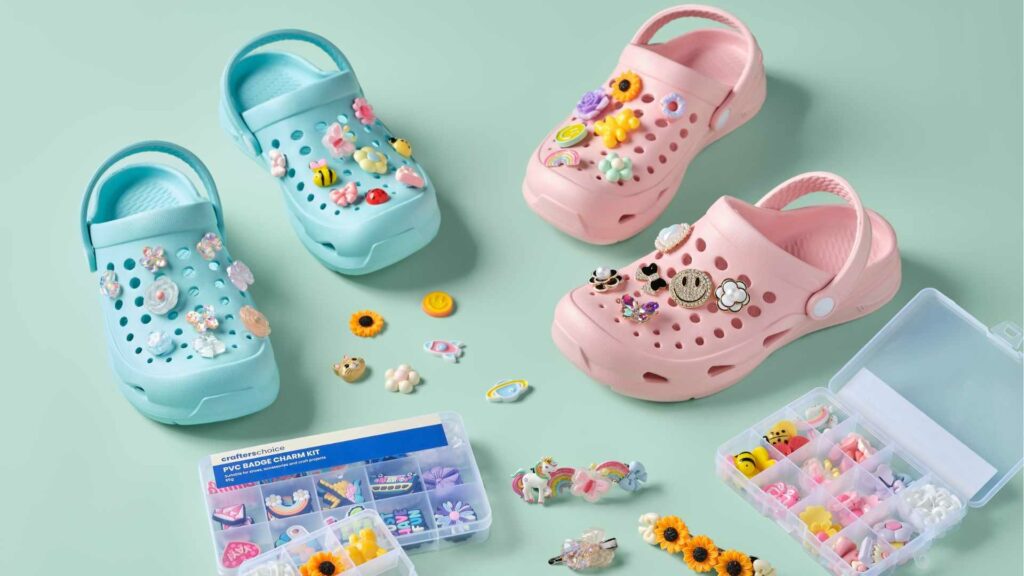
Customization trends in footwear are booming. One example is Mike Satterlee, who scaled a Shopify-based Crocs accessory business to USD 240,000 annually. Buyers seek quirky personalization, from functional clips to decorative charms.

10. Custom cookie cutters
These products are simple to print but have strong seasonal appeal. Holiday-themed or personalized cutters for weddings and birthdays sell well. Search volume spikes around major holidays, showing predictable demand cycles.
11. Wall racks, storage hooks
Organizers for cables, keys, or tools are functional items that appeal to households and home offices. As remote work grows, demand for affordable organization tools has surged.
12. Novelty lamps

Layered designs that play with light and shadow make lamps a popular category. Etsy’s marketplace consistently shows strong buyer interest in unique lighting pieces, especially those that double as décor.
13. Retro or themed planters
Unconventional shapes such as rocket ships or sci-fi inspired décor sell well because they combine utility with novelty. Buyers often treat them as collector items rather than just planters.
14. Pen holders
Pen holders are simple yet very high in demand. Many consumers prefer items that combine utility with an artistic touch, which 3D printing makes possible.
15. Seasonal or niche home décor
Think themed centerpieces for holidays, local fan art, personalized anniversary pieces. Small windows of high demand but potentially high price tags.
Where to Sell 3D Printed Products Successfully?
Once you have products ready, the next step is deciding where to sell. For 3D-printed items, you generally have two main routes (and many sellers use both):
- Your own online store – Platforms like Shopify give you full control over branding, pricing, and customer relationships. You can create a professional storefront, showcase your products with custom design, and build long-term customer loyalty.
- Online marketplaces – Sites like Etsy, eBay, and Amazon Handmade provide instant access to buyers who are already searching for unique or custom items. However, expect higher competition, platform fees, and less control over your brand identity.
Which option is best?
- If you want to start fast to test ideas, marketplaces are the easiest way to validate demand.
- If you want to grow a brand, building your own store on Shopify is the smarter move.
- Many successful sellers do both: using marketplaces for exposure and their own store for building customer loyalty and repeat sales.
>>> In 2025, you can use Shopify for just $1 in your first 3 months. This is a great opportunity to test your business idea, and to see if you really need your own website.
Examples of Shopify Stores Selling 3D Print Items
If you are planning to launch your own 3D printing store and want ideas for what kind of products to sell, these Shopify stores showcase different niches and design approaches that can inspire your journey:
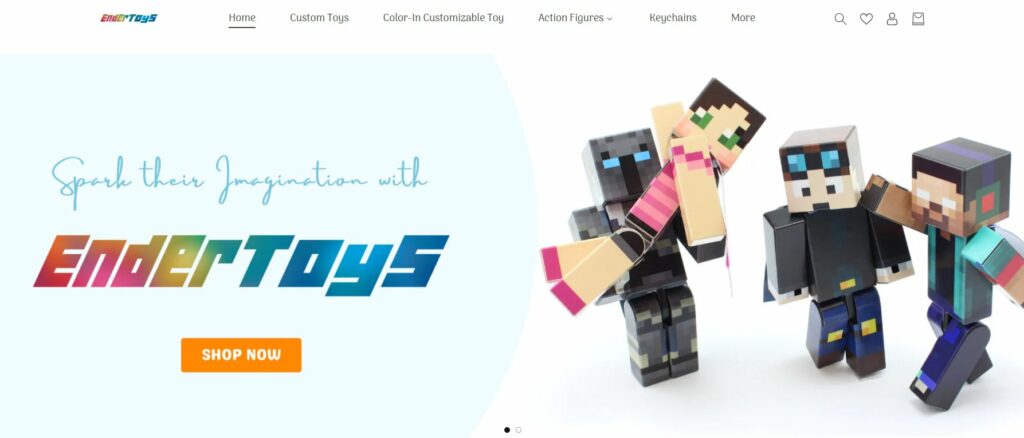
EnderToys is a Shopify store specializing in 3D printed Minecraft toys and accessories. They use high-quality materials to deliver a wide range of themed action minifigures and keychains. If you are still deciding things to 3D print and sell, you should take inspiration from EnderToys.
The website uses a colorful, hobby-friendly design with clear product categories, clean product photography, and easy navigation. It shows how a well-targeted niche combined with simple branding can build strong customer loyalty.
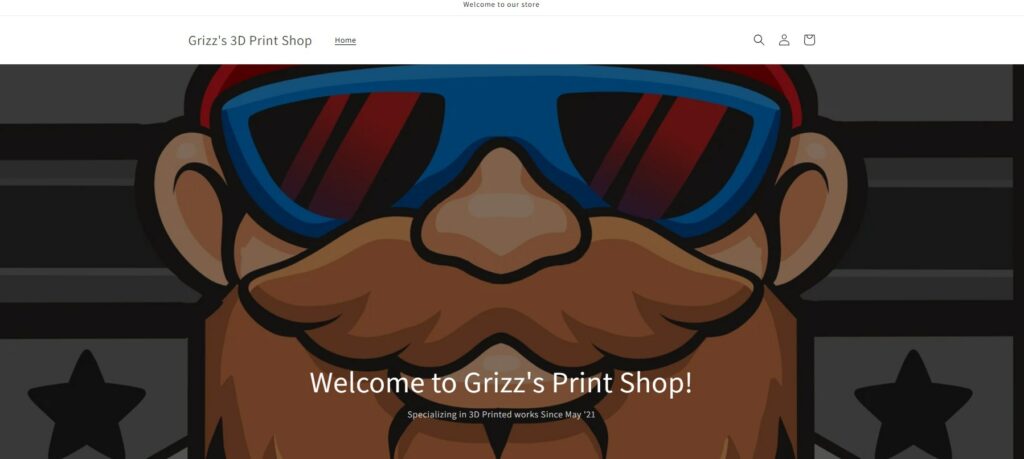
Grizz’s 3D Print Shop is a Shopify store run by famous TikToker Grizzled Gnome. He is a professional in making 3D printed toys from popular cartoons as well as his own original designs.
The website is fairly simple, as he mostly drives traffic from his TikTok channel. You can take his marketing and pricing strategy as references.
>>> Further reading:
- How Does Shopify Work 2025: What Sellers Must Know
- Shopify Starter Plan 2025: Updated Pricing, Features, and More
Frequently Asked Questions
Can you make good money 3D printing?
Yes, 3D printing can be profitable if you focus on niches with strong demand. Many small businesses earn steady income on platforms like Shopify and Etsy, while larger operations expand through bulk orders or B2B services.
Can you legally sell 3D printed items?
Yes, selling 3D printed products is legal as long as you own the design rights or have permission to use them. Avoid printing copyrighted or trademarked items without authorization, as that can lead to legal issues.
What 3D prints sell best on Etsy?
On Etsy, popular 3D printed products include home organization tools, jewelry, planters, kitchen gadgets, cosplay props, and phone accessories. Shoppers on Etsy value creativity, customization, and handmade appeal, so offering personalized or niche items can set your store apart and drive consistent sales.
How much to start a 3D printing business?
Starting a 3D printing business typically costs between $500 and $5,000, depending on equipment quality, software, and initial materials. Entry-level printers are mostly very affordable ($200-$400).
Final Thoughts
In 2025, a modest 3D printer can become a revenue engine, if paired with smart product ideas, efficient workflow and savvy marketing. From functional phone stands to whimsical Crocs accessories, opportunity spans practical to playful. BSS Commerce hopes our article has given you a list of cool things to 3D print and sell online.
CONTACT US for more consultation or Shopify store setup services.

Finn Nguyen
Finn is a Shopify expert with 5+ years of experience helping new business owners launch and grow online stores. Specializing in store setup, theme selection, and optimization, he provides practical guidance to turn ideas into successful eCommerce businesses