20 Proven Shopify Marketing Strategies To Increase Your Sales

Are you struggling with attracting customers and encouraging them to buy products on your Shopify store? If so, we understand this concern. You will need to apply some of the best Shopify marketing strategies to stand out and drive consistent sales.
In this post, we’re diving into the best campaigns to boost sales on Shopify that every store owner should have. These strategies will help you attract the right customers and boost conversions sustainably. Let’s get into it!
Why do you need a Marketing Strategy?
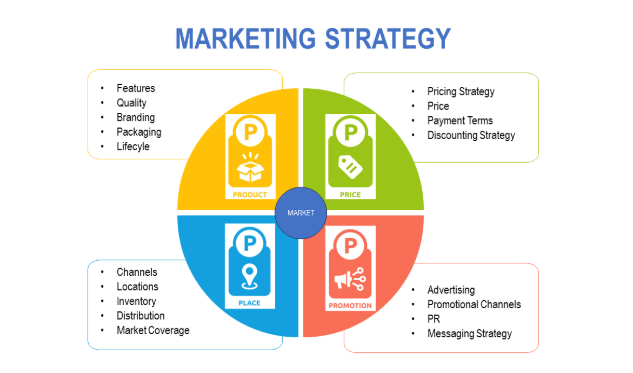
Having a great product and a good-looking Shopify store is important – but without a clear marketing strategy, your store could stay invisible no matter how much effort you put in. Here’s why having a marketing plan is a must for every store owner:
- It Helps People Discover Your Store: Customers can’t buy from you if they don’t know you exist. A good marketing strategy puts your store in front of the right people – through Google search, social media, email, and more – so your brand gets noticed and remembered.
- It Attracts the Right Kind of Visitors: Not all traffic is helpful. You don’t just want visitors – you want potential buyers. With targeted marketing (like SEO, ads, or engaging content), you bring in people who are already interested in what you’re selling.
- It Turns Visitors into Customers: Getting people to your site is just step one. Marketing helps you create strong product pages, highlight special offers, and craft messages that actually convince visitors to buy.
- It Builds Long-Term Customer Loyalty: The most successful stores don’t rely on one-time purchases – they keep customers coming back. With tools like email marketing, loyalty programs, and personalized recommendations, you can build real relationships with your audience.
- It Helps You Stand Out from Competitors: There are thousands of Shopify stores. A clear, consistent marketing strategy helps define what makes your brand unique, so shoppers choose you over someone else.
Ready to launch your online store? For a limited time, you can enjoy 3 days free trial then pay $1 per month to keep using Shopify for the next 3 months. It’s the perfect way to get all the tools you need to build and grow your business with minimal cost.
20 Best Shopify Marketing Strategies to Grow Your Store
1. Optimize Your Shopify Store for SEO
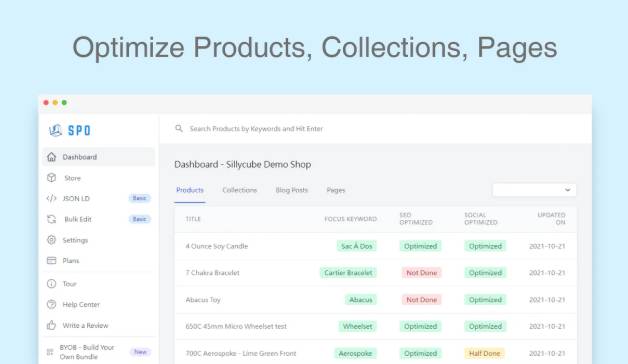
Making your store easy to find on Google is one of the best ways to attract new customers without spending money on ads. Start by using clear, descriptive keywords in your product titles and descriptions – think “handmade ceramic mug” instead of just “mug.” Add alt text to your images, write short but catchy meta descriptions, and keep your URLs clean and simple.
2. Leverage Content Marketing and Blogging
Creating helpful, interesting content is a powerful way to build trust and bring in more visitors. A blog on your Shopify store can answer customer questions, show how to use your products, and improve your Google rankings over time. For example, if you sell fitness gear, you could write posts like “Easy Home Workouts with Resistance Bands.” Make sure to include links to your products in the content and end with a simple call to action like “Shop the collection” or “Try it for yourself.”
3. Build a Loyalty Rewards Program
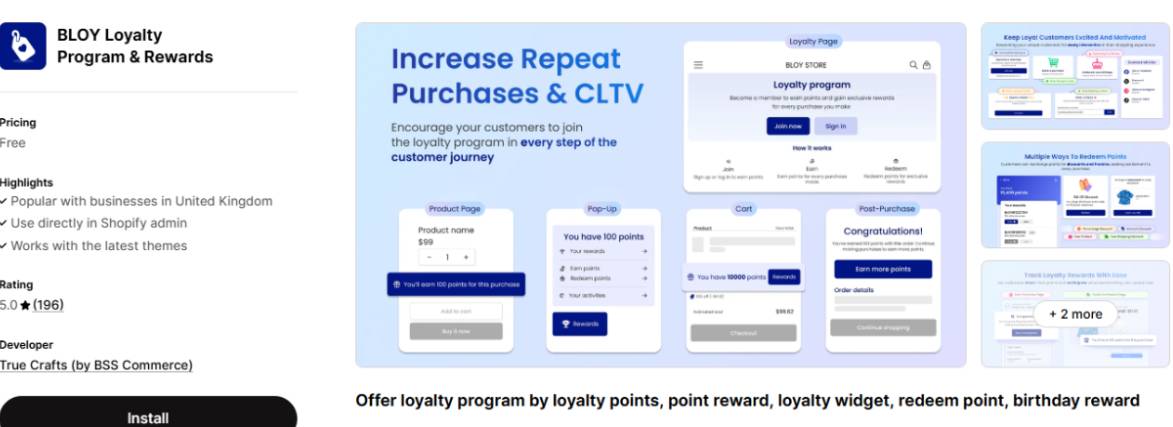
One of the best Shopify marketing strategies to increase repeat purchases is by rewarding your customers. A loyalty program gives points or perks every time someone buys from you, encouraging them to come back again and again. You can use an app like BLOY: Loyalty Program & Rewards to set up a simple system that tracks points, offers discounts and even gives special bonuses to your most loyal shoppers.
Discover: Top 9 Shopify Loyalty Apps To Boost Customer Retention & Sales
4. Create an Email Marketing Funnel
Email is still an effective Shopify marketing campaign to grow your store – when used the right way. Start by offering something valuable in exchange for an email address, like a discount or free guide. Then, set up a welcome series that introduces your brand and products. Over time, send helpful content, product tips, and special offers.
5. Use Abandoned Cart Recovery Emails
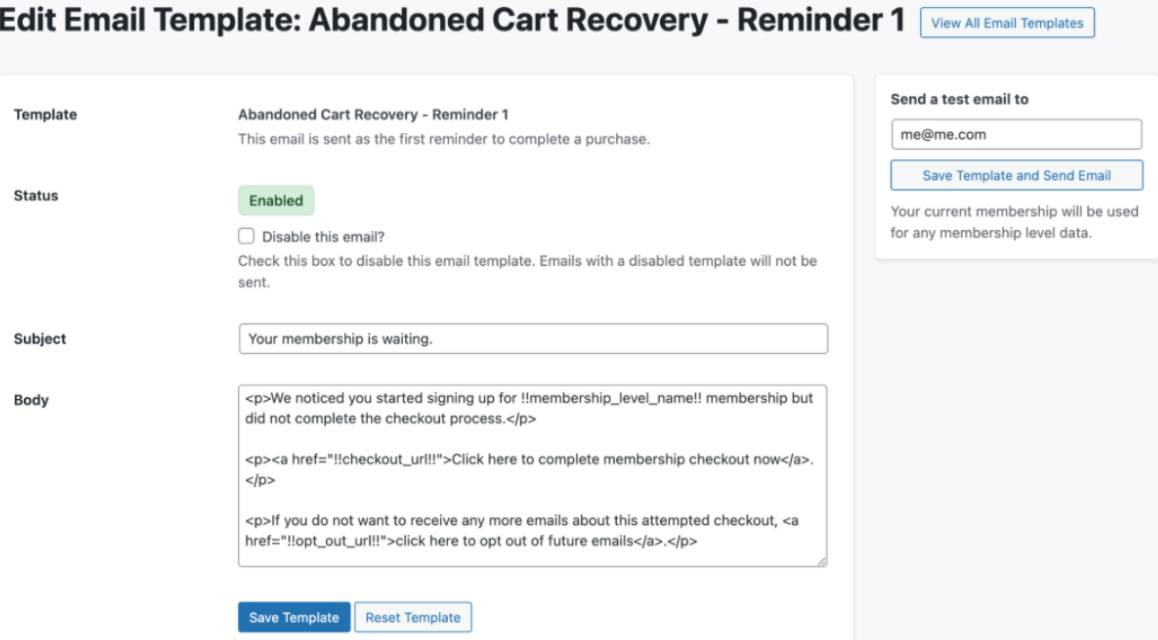
Many shoppers add products to their cart but leave without buying — and that’s a huge missed opportunity. Abandoned cart emails help bring them back by reminding them what they left behind. These emails work best when they’re friendly, timely, and offer a little extra motivation – like a small discount or free shipping.
6. Run Retargeting Campaigns on Facebook and Google
People rarely buy on their first visit – that’s where retargeting comes in. These ads follow your past visitors around the internet, reminding them of your products and giving them a second (or third) chance to come back. You can retarget using Facebook, Instagram, or Google Display ads. To get started, install the Facebook Pixel and Google Tag Manager on your store so you can track visitors and create custom audiences for your ads.
7. Collaborate with Influencers in Your Niche

Influencer marketing is one of the best campaigns to boost sales on Shopify and reach new audiences – especially when you partner with creators who already speak to your ideal customers. Look for micro-influencers with high engagement rather than just big follower counts. Offer them free products or a paid collaboration in exchange for honest reviews, tutorials, or unboxing videos. Their content can drive traffic and boost credibility in a very authentic way.
8. Launch a Referral Program
A good referral program turns your happiest customers into your best marketers. When people genuinely enjoy your product, they’re more likely to tell friends — and a small reward makes that even more likely. Instead of asking for referrals out of the blue, try offering a benefit for both sides, like “Give $10, Get $10.” This way, your customers feel good about sharing, and new customers feel welcomed.
9. Offer Time-Limited Discounts and Flash Sales

Urgency is a proven way to nudge hesitant buyers – but it only works when used wisely. Flash sales should be short, clearly communicated, and truly offer value. Instead of discounting everything, focus on bestsellers or limited-stock items. Add a countdown timer on your homepage or product page to build excitement. And if you’re running sales regularly, try to space them out so they don’t lose their impact or train your audience to “wait for the next deal.”
10. Add Product Reviews and Testimonials
Social proof builds trust faster than any ad campaign. When new visitors see that others had a positive experience, it reassures them that they’re making the right choice. Try displaying customer reviews directly under each product, and highlight standout testimonials on your homepage. Encourage reviews with post-purchase emails and consider offering a small thank-you incentive. Real photos and specific feedback always feel more authentic than generic praise.
11. Invest in High-Quality Product Photography
Online shoppers can’t touch or try your product – so your photos need to do the heavy lifting. Clear, professional images help people imagine the product in their lives and reduce doubt. Use natural lighting when possible, shoot from multiple angles, and include a zoom-in feature. You don’t need a big budget to get started, but consistency and clarity are key.
12. Upsell and Cross-Sell With Apps
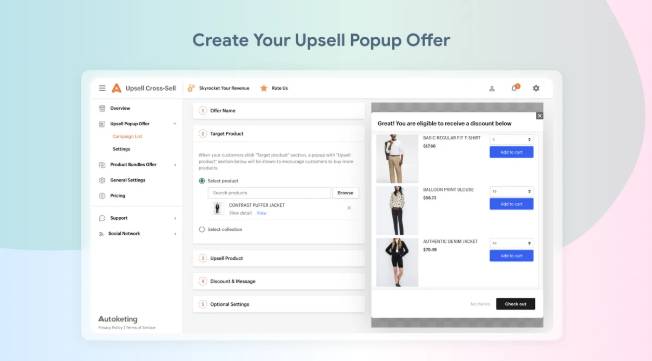
Smart recommendations can gently increase your sales without annoying your shoppers. Upselling means offering a premium version or bundle, while cross-selling suggests related items. Both work best when they feel relevant. For instance, if someone buys a coffee maker, suggesting filters or a stylish mug makes sense. Just be careful not to overwhelm the checkout process – keep it helpful, not cluttered.
You may need: 12 Best Upsell App for Shopify: Top Picks to Boost Your Sales
13. Create Shoppable Posts on Instagram
Instagram is where people go for inspiration, and if you’re active there, turning your posts into shopping experiences is a smart move. Once your product catalog is synced, you can tag products directly in your posts and stories. This lets curious followers go from “I love this” to “I’m buying this” in just a tap. Focus on creating a visually consistent feed with a mix of styled photos, real customer content, and behind-the-scenes moments. Keep your captions engaging and natural – the goal is to tell a story, not just push a sale.
14. Use SMS Marketing to Reach Customers Directly
Regarding text messages, you can bring a sense of personality to customers, then they will have the motivation to revisit their carts. However, since it’s such a direct channel, you had better use it sparingly and respectfully. The principle is always to ask for permission and keep your messages short and valuable. Also, avoid over-sending, too.
15. Run Google Shopping Ads for High-Intent Buyers
People using Google Shopping are often ready to buy as they are browsing for a solution. We recommend running targeted Google Shopping ads in front of the right people at the right time. To get started, make sure your product titles and descriptions are clear and keyword-optimized. Plus, set up a Google Merchant Center account and connect it to your Shopify store.
16. Host Giveaways and Contests

Giveaways can be one of the most effective Shopify marketing strategies to boost brand awareness. You can choose either to offer something relevant to your audience or a trending item this time. Make sure the entry process is simple (like tagging a friend or signing up with an email), and clearly communicate and deadline.
17. Use Exit-Intent Popups
Sometimes people leave your site before they even give you a chance. Exit-intent popups detect when a visitor is about to leave and show them a last-minute offer – like a discount or free shipping. It is one of the most effective Shopify marketing strategies to recover lost sales or capture emails for future marketing. Just make sure the message is clear and easy to dismiss if they are not interested.
Find out more: How to Add A Popup To Shopify Store: Detailed Guide
18. Create a Branded Unboxing Experience

An indispensable trend of customers when shopping online is to look for products with neat packaging. They will feel that your shop invests in the product and are more likely to buy products. Take advantage of this psychology and film an unboxing video to stimulate customers’ curiosity. You can even create an unboxing challenge for everyone to vote for the video with the most interactions.
19. Partner with Affiliate Marketers
Affiliate marketing lets others promote your products and earn a small commission for each sale they refer. If you can utilize this program, you can grow your reach because you only pay when you make a sale. Look for partners who genuinely align with your brand – bloggers, content creators, or niche websites. Set clear commission rates, and give them high-quality visuals and copy to use.
20. Analyze Your Data to Improve Campaigns

Shopify marketing strategies are also about understanding what’s working and what’s not. Keep a close eye on key metrics like ROAS (Return on Ad Spend), CAC (Customer Acquisition Cost), and LTV (Lifetime Value). Shopify Analytics, Google Analytics, and your ad platform dashboards can give you powerful insights. Use this data to refine your strategy: double down on what brings profit and stop what’s wasting money.
Successful Shopify Marketing Strategies Examples
1. Great Jones
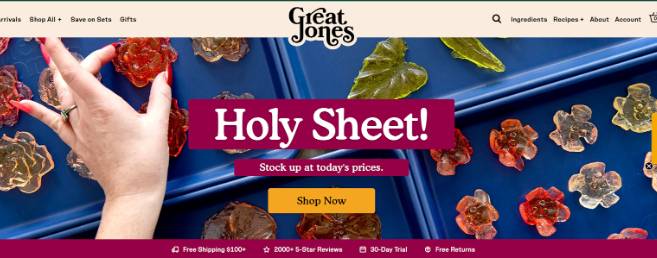
Great Jones is a cookware brand that stands out because of its colorful, stylish products. They offer vibrant colors and sleek designs, which turn ordinary cooking tools into pieces that look great on social media. For Shopify marketing strategies, they have built a community around cooking, sharing recipes, tips, and user-generated content. They also team up with influencers and other brands to reach more people and create excitement around limited-edition products.
2. Sabai

On the flip side, Sabai Design is all about sustainability. Their marketing focuses on being transparent and eco-friendly. From using recycled materials to offering buyback programs for used furniture, they make it clear that sustainability is at the heart of their business. They also share a lot of behind-the-scenes content to show customers exactly how their products are made, building trust and honesty with their audience.
How to Build a Shopify Marketing Plan: A Step-by-step Guide
Step 1: Set Achievable Goals
Before launching any Shopify product marketing strategies, it’s important to start with a clear direction. Rather than setting a vague goal like “get more sales,” aim for something specific and trackable. For example, you might set a goal such as “increase monthly revenue by 20% in the next three months” or “grow our email list by 500 subscribers this quarter.” Setting SMART goals (Specific, Measurable, Achievable, Relevant, Time-bound) helps you measure the progress.
Step 2: Reach Your Ideal Customer
Your marketing efforts will only pay off if you’re reaching the right people. That’s why understanding your target audience is a key part of building effective Shopify marketing strategies. A user research process often includes tools like surveys to explore buying behavior or group interviews to dig into customer needs and motivations. These insights help you create a clear customer persona—someone your messaging and offers can speak directly to.
If you’re short on time or budget, you can still gather useful data by referring to industry reports. Just make sure you’re using the most recent ones, since online shopping habits evolve quickly. Staying updated allows you to tailor your products and campaigns to what customers actually want right now.
Step 3: Pick the Right Channels
Building a Shopify marketing strategy also involves choosing the channels that are right for your niche and where your target audience is most active.
- SEO – so people can find your store through Google.
- Email marketing – to build relationships and keep your audience engaged.
- Social media ads – to reach new customers quickly with targeted campaigns.
- Content marketing – like blog posts or videos that educate and inspire.
Step 4: Evaluate the Campaign
To know if your marketing is really working, you’ll need to track a few key metrics:
- ROAS (Return on Ad Spend): Are your ads bringing in more revenue than they cost?
- CAC (Customer Acquisition Cost): How much are you spending to get one new customer?
- LTV (Customer Lifetime Value): How much revenue does each customer bring in over time?
Conclusion
To sum up, we have provided you with some of the best Shopify marketing strategies. Your task is to choose at least three of them and then customize them to fit your brand purpose.
If you have any recommendations, don’t hesitate to leave a comment to let us know. Moreover, BSS Commerce is always conducting industry best practices so that we can introduce them to our readers. So, keep following us for more useful articles in the future.
Read more: How to Start Digital Marketing: A Beginner’s Step-by-Step Guide

Finn Nguyen
Finn is a Shopify expert with 5+ years of experience helping new business owners launch and grow online stores. Specializing in store setup, theme selection, and optimization, he provides practical guidance to turn ideas into successful eCommerce businesses