Unify Shopify B2B and B2C to Grow a Hybrid Store
Running Shopify B2B and B2C within one brand creates huge growth potential. Many merchants who start in retail expand into wholesale later, while many traditional B2B suppliers start selling online to reach individual consumers.
This guide explains how hybrid setups work, how your store benefits, and how to build a smooth buying experience for both sides.
What is a Hybrid B2B/B2C Model?
Hybrid commerce combines a business selling to wholesale clients and regular consumers, ideally through one admin.
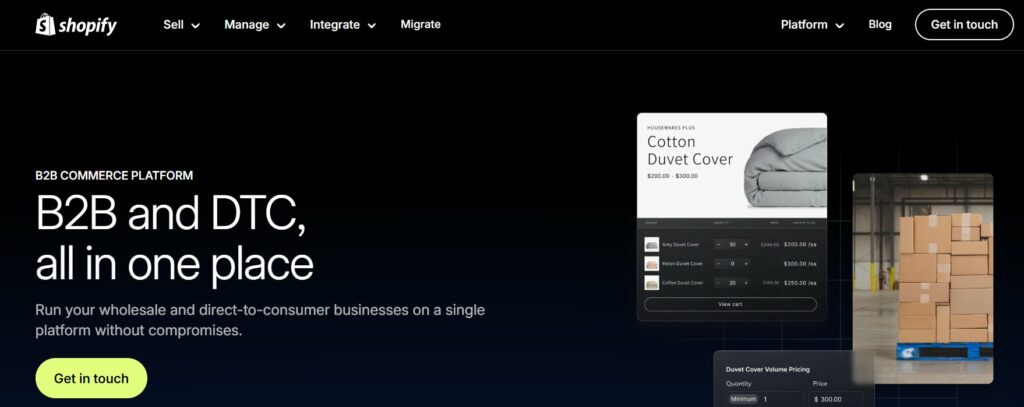
Is Shopify B2B or B2C? The answer is both. More Shopify stores now run this hybrid business model to reach wider audiences, strengthen customer relationships, and streamline operations.
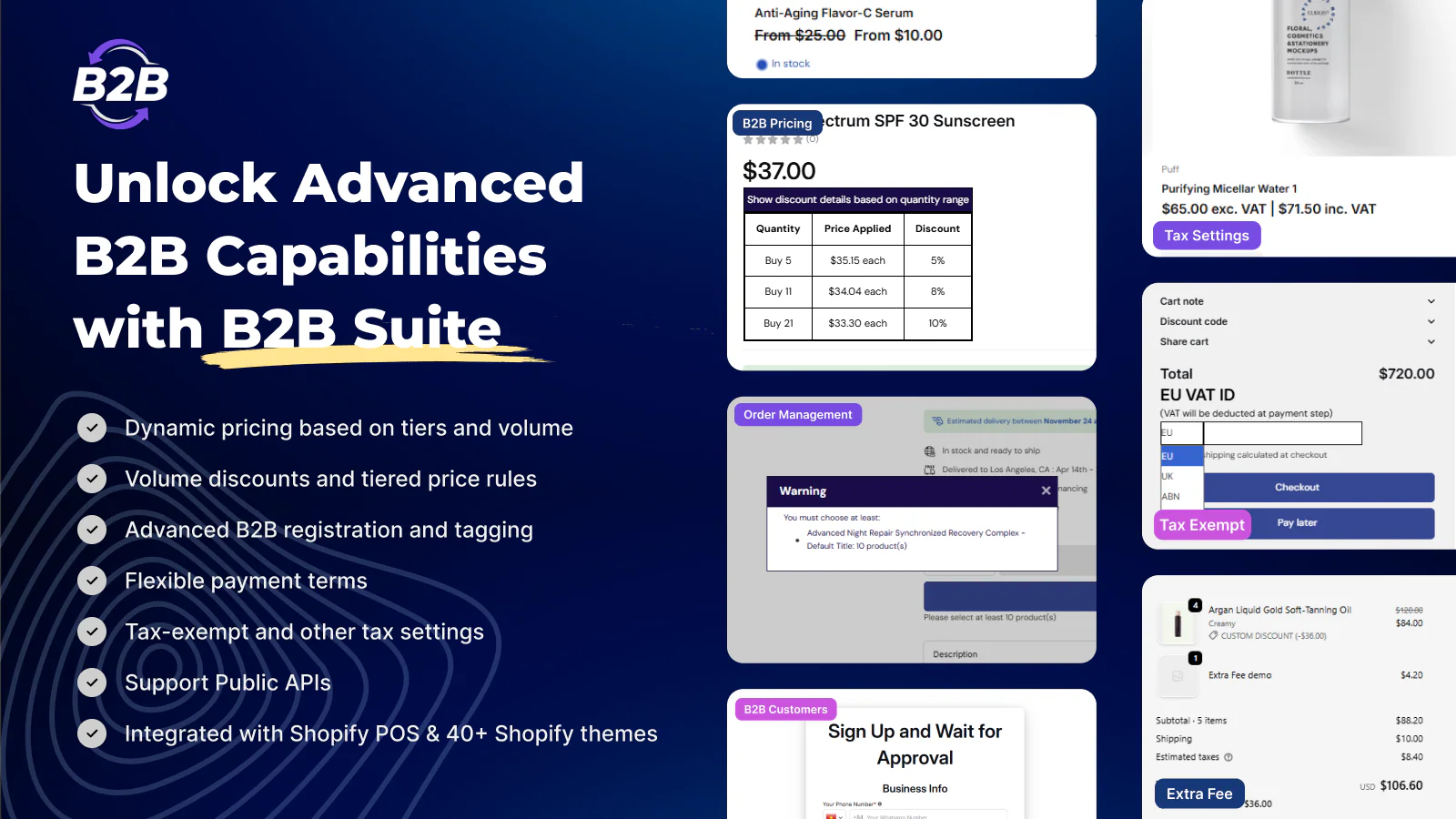
Shopify B2B solution, including unified commerce system and third-party apps let merchants customize user experience for both Shopify B2B and B2C customers, from one centralized environment:
- Create Shopify B2B pages on existing B2C store
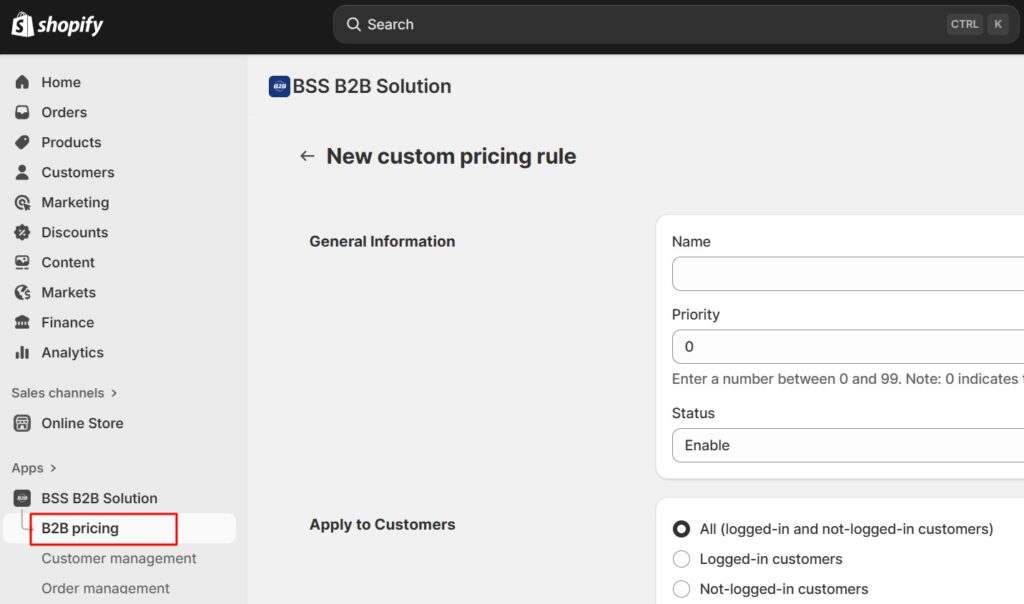
- Set different prices for B2B and B2C on one platform
- Manage two separate workflows efficiently
Brands using Shopify Plus or Shopify B2B without Plus can achieve success:
- Microfiber Wholesale uses Shopify Plus to run a hybrid operation, relying on company profiles and customer-specific catalogs built directly into Plus.
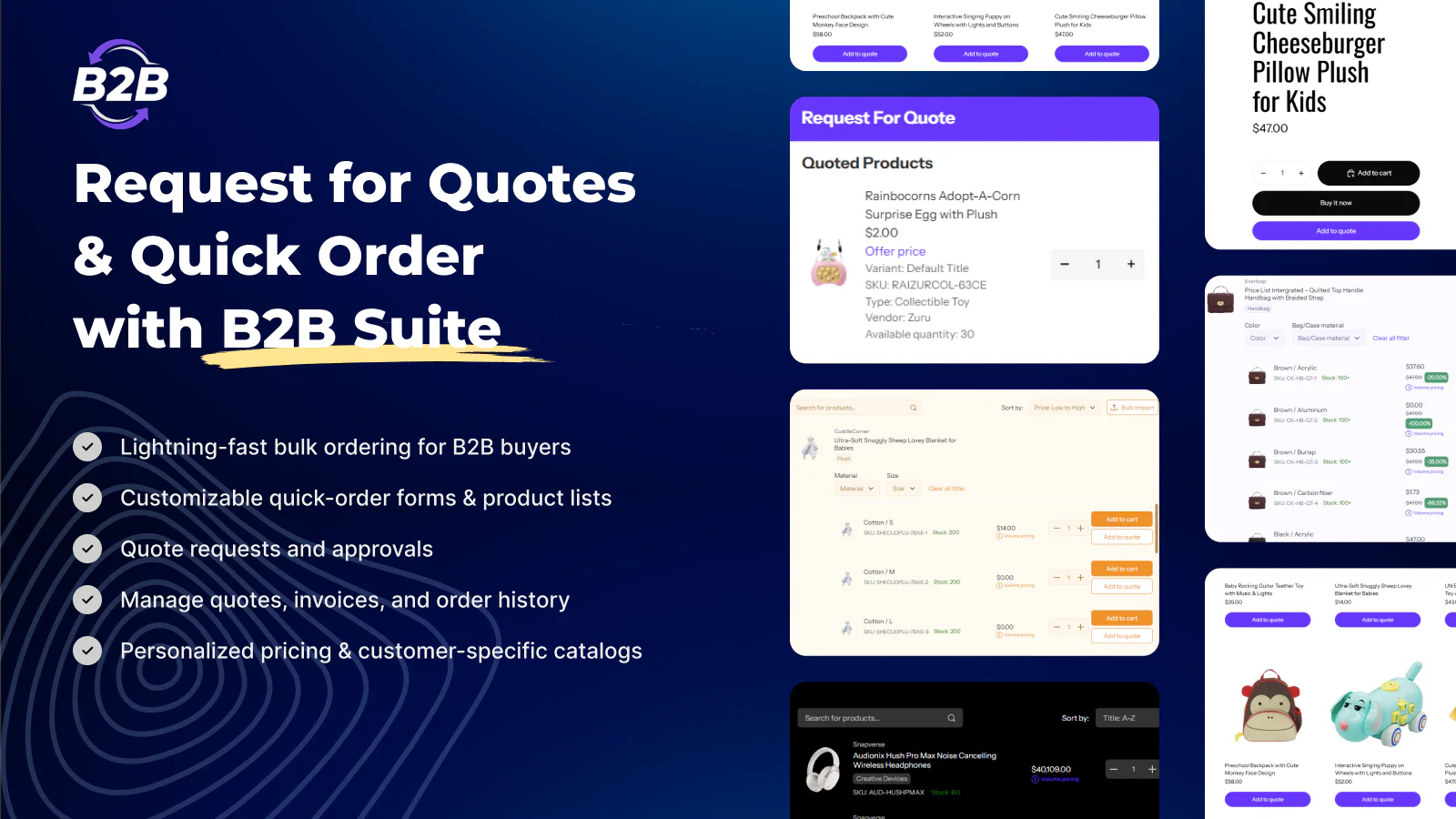
- Chef’s Island runs a hybrid store using BSS B2B Solution with custom pricing, wholesale registration, and quick order forms. The B2B app helps create a fleshed-out B2B store without Plus.
All-in-one Shopify B2B Solution
Rating: 4.8 ★ (900+ reviews)
Centralize your B2B operations and reduce manual work with a single app.
Key Differences Between Shopify B2B and B2C
Below is a simple comparison table that summarizes core differences. It gives readers a clear foundation before diving deeper into hybrid store strategies.
| Feature | Shopify B2B | Shopify B2C |
| Customer type | Businesses, retailers, distributors | Individual shoppers |
| Order volume | Bulk, pallet, carton, case | Small, single-unit |
| Pricing | Tier pricing, negotiated pricing, custom lists | Standard retail pricing |
| Payment terms | Net terms, invoices, purchase orders | Card payments, PayPal, digital wallets |
| Checkout | Custom quotes, PO number fields, restricted access | Guest checkout, fast checkout, shipping calculators |
| Tax and VAT | VAT exemptions, resale certificates | Standard consumer taxation |
| Shipping | Freight, LTL, negotiated carrier rates | Standard carriers, small parcel |
This table provides high-level clarity on how B2B and B2C purchasing behavior differs. It helps merchants understand why hybrid setups require intentional planning
Optimize Buying Experience for Shopify B2B and B2C
Hybrid Shopify B2B and B2C growth requires smooth shopping experiences for both buyer types. Although each segment has unique needs, brands can build unified operations that keep things efficient.
Below are core considerations for running a hybrid Shopify store:
- Pricing strategy
- Order fulfillment and logistics
- Customer segmentation and personalization
- Payment terms
- Integration needs
Pricing strategy
Wholesale pricing usually involves negotiated discounts, volume tiers, or minimum order values. Hybrid stores must avoid conflicts between the two segments by setting up:
- Minimum wholesale quantities
- Hidden wholesale collections
- Volume discount rules
- Tiered pricing based on quantity and amount
- Price list segmentation
Customer segmentation and personalization
Both types of shoppers want personalized experiences. New hybrid Shopify stores usually run into trouble when both shopper groups see the same catalog, pricing, and page flow. Without proper customer relationship management (CRM) and segmentation, each group feels like the store was designed for someone else.
One of the easiest starting points is tagging. Adding tags such as wholesale, distributor, or VIP-B2B helps store owners separate customer types without building a second site.
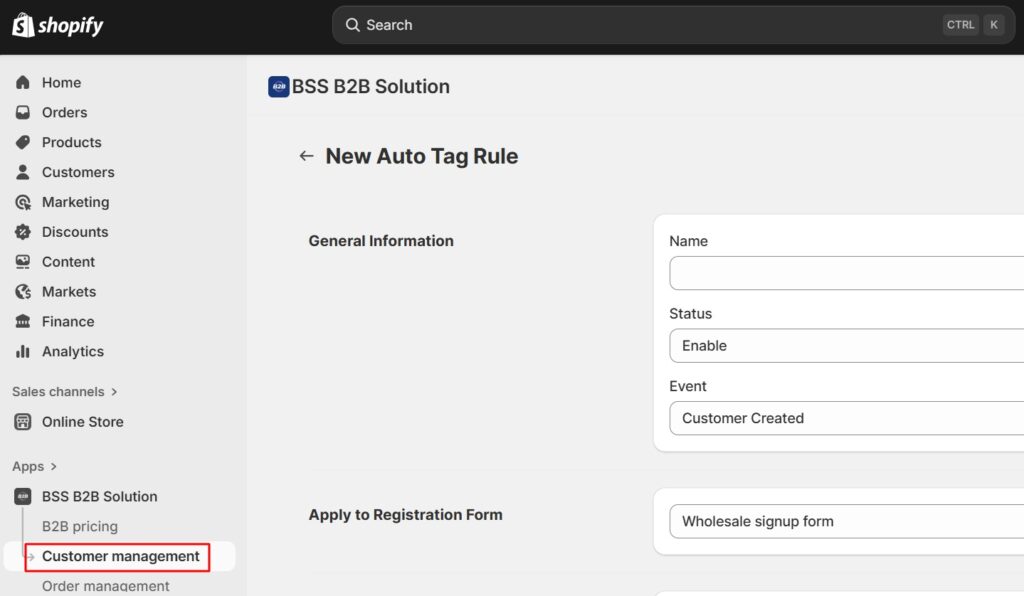
Customer-specific pricing is the next major improvement. Instead of sending manual price lists over email, Shopify’s native B2B features or apps like B2B B2B Solution let merchants assign custom price lists, volume tiers, or negotiated discounts per customer group. This direct visibility speeds up B2B buying and reduces back-and-forth with sales teams.
Read more: 7 Best Shopify B2B Apps for a Complete Workflow (2025)
Order fulfillment and logistics
Retail and wholesale orders move through different operational paths, so they have different expectations regarding fulfillment and delivery.
Retail shoppers prioritize convenient and fast shipping; while wholesale buyers focus on consistency more than speed. B2B replenishment cycles depend on on-time arrivals, specific receiving hours, pallet-ready packaging, and freight coordination.
For businesses new to hybrid operations, start with two essentials: Define separate shipping methods for retail and wholesale groups, especially if wholesale relies on freight or LTL partners. Then, communicate proactively so wholesale accounts receive predictable, structured notifications around large shipments.
Payment terms
Wholesale transactions often require invoices, tax exemptions, net payment terms, and documentation like resale certificates. Retail purchases usually involve standard consumer tax and card payments.
Shopify B2B features assist merchants with:
- Tax exemption support
- Custom payment terms
- Purchase order fields
- Invoicing tools
Proper configuration will protect compliance and prevent accounting confusion.
Integration needs
Hybrid stores need tighter integrations because B2C systems focus on checkout and payments, while B2B operations rely on deeper connections with enterprise tools.
Shopify B2B often requires syncing contract pricing, tax-exempt profiles, company data, and PO workflows with ERP, CRM, and accounting platforms. Stores with large catalogs benefit from PIM to centralize product data, and brands offering custom quotes may layer in CPQ tools for complex pricing logic.
Many B2B buyers also purchase through procurement portals, so punchout-style workflows or order-routing connectors (for systems like Coupa or Ariba) can be essential. In regions where EDI still handles bulk orders, integrations must support automated message exchange while staying aligned with online orders. A modern, API-driven architecture makes these flows reliable by keeping pricing, inventory, and order data consistent across Shopify, back-office systems, and procurement networks.
Overcome Potential Challenges of a Hybrid Shopify Store
Hybrid stores often face operational tension because wholesale and retail buyers behave differently. Below are common issues along with practical mitigation strategies that help maintain smooth workflows.
- Pricing inconsistencies: Running both Shopify B2C and B2B on one storefront can create conflicts between discounts, price lists, and customer groups. Standardize rules, avoid overlapping conditions, and use automated pricing logic to keep wholesale and retail displays accurate.
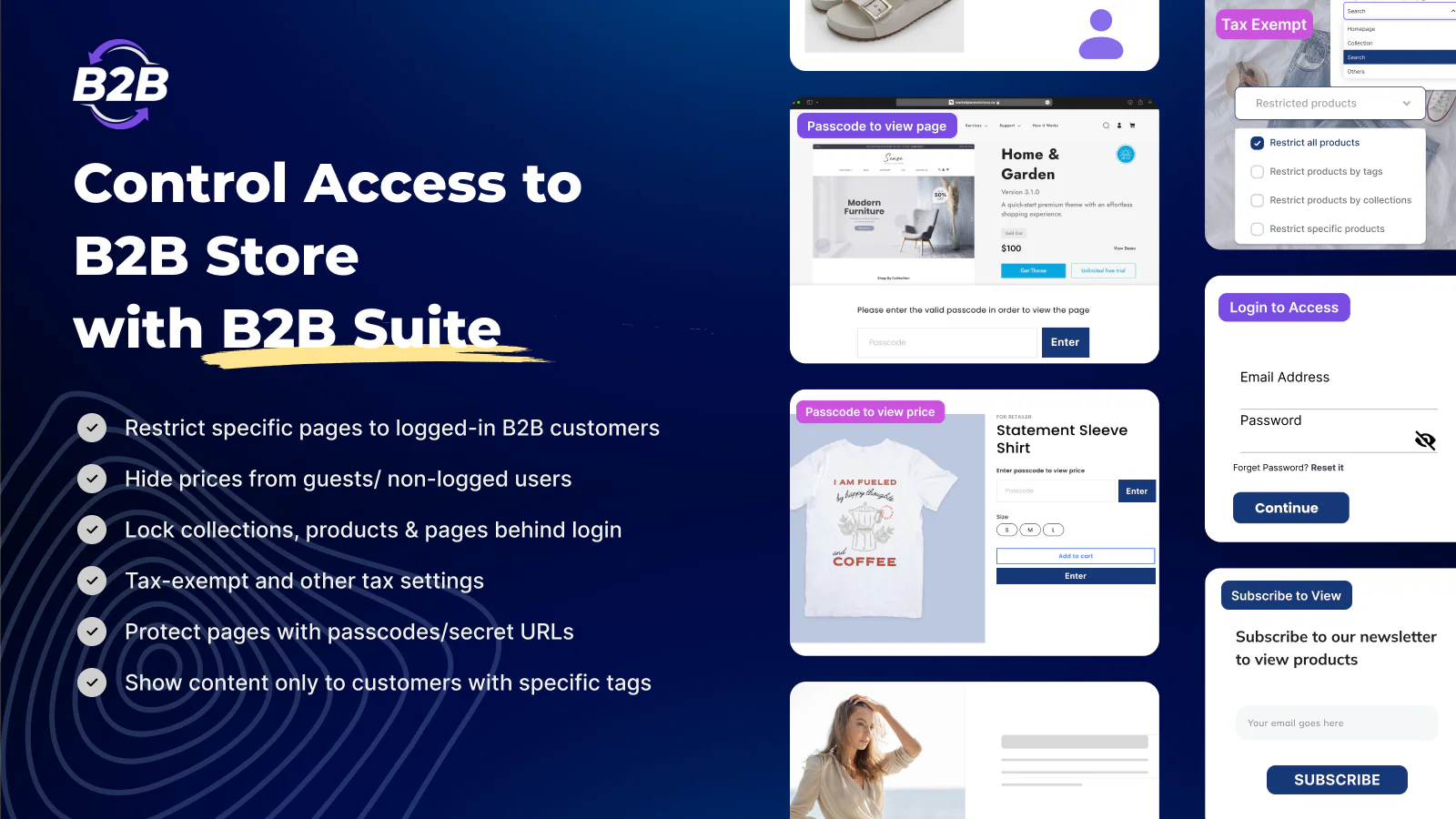
- Access control misconfigurations: Hybrid stores rely heavily on tags, company profiles, and gated collections. Any misstep can expose wholesale prices to the public or hide B2B catalogs from buyers. Regularly audit customer permissions, collection rules, and login flows to maintain clean segmentation.
- Operational complexity: Managing quotes, purchase orders, net terms, and retail checkouts in one system increases friction for internal teams. Streamline by mapping each workflow, assigning clear ownership, and using automation for approvals, invoicing, and repeat orders.
- Inventory allocation strain: Shared stock across retail and wholesale audiences can trigger overselling or fulfillment delays. Use real-time tracking, buffer settings, and dedicated B2B allocation rules to ensure priority customers receive correct quantities.
- Tax and compliance challenges: Mixing tax-exempt B2B orders with taxable B2C sales introduces risks in reporting and automation. Validate exemption certificates, sync settings with tax engines, and test multi-jurisdiction rules to avoid billing errors.
- Integration gaps: ERPs, CRMs, and accounting tools must support dual pricing, company profiles, and wholesale-order data. Choose B2B-friendly integrations and maintain a clear data structure so systems stay aligned across both segments.
Read more: Shopify B2B Registration Form: All Things You Need to Know
FAQs about Shopify B2B and B2C
Is Shopify a B2B or B2C?
Shopify supports both B2B and B2C. It was originally built for direct-to-consumer selling, but now includes strong wholesale capabilities through Shopify B2B, Shopify Plus features, and third-party apps.
Can one Shopify store run B2B and B2C without confusion?
Yes. Shopify B2B customer accounts let merchants hide wholesale prices while showing retail pricing to regular shoppers. Smart segmentation creates smooth experiences for both groups.
What is the difference between B2B and B2C?
B2B focuses on selling to other businesses with longer buying cycles, negotiated pricing, bulk orders, and payment terms. Buyers often need quotes, approval workflows, and account-level customization. B2C sells directly to individual consumers with faster purchases, standardized pricing, and emotion-driven marketing.
Is it better to use one storefront or separate storefronts?
Many brands prefer one storefront for efficiency. Separate storefronts give more control but create more maintenance. Your choice depends on catalog size, pricing complexity, and SEO approach.

Finn Nguyen
Finn is a Shopify expert with 5+ years of experience helping new business owners launch and grow online stores. Specializing in store setup, theme selection, and optimization, he provides practical guidance to turn ideas into successful eCommerce businesses