
How to Start a Clothing Business with Buying Wholesale: A Step-by-Step Guide

Starting a clothing business can be an exciting and profitable venture, especially for those with a passion for fashion and a keen eye for trends. One of the most accessible and cost-effective ways to enter the market is by purchasing inventory in bulk from wholesalers.
If you’re wondering how to start a clothing business with buying wholesale, this guide will walk you through the essential steps to get started. From finding the right suppliers to managing inventory and marketing your brand, this introduction sets the stage for building a successful clothing business using wholesale strategies.
Why Start a Clothing Business with Buying Wholesale?

Before seeking how to start a wholesale clothing business, let’s take an overview of why this approach is so popular among new and growing fashion entrepreneurs. Here are all the benefits you can enjoy:
- Lower costs through bulk purchasing
- Higher profit margins from discounted wholesale prices
- Easier scalability as you can gradually expand the product range
- Ready-made products save time on design and production
- Wide variety of styles to choose from
- Trend responsiveness with access to the latest fashion items
How to Start a Clothing Business with Buying Wholesale?
Step 1: Research to Pick Your Niche
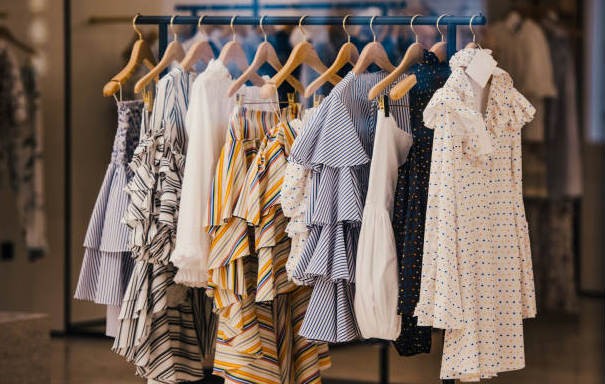
Always remember, do not try to sell to everyone. First, you will need to choose your target audience, and then find products that can solve their needs. For example, if you want to target dynamic students, you should know that they do not have a lot of budget for fast fashion. So, clothes made of cotton for durability are the best choice. Regarding styles, urban-style t-shirts or hoodies can be the top pick.
Moreover, you will need to have an overview of the clothing market. Take some time to research:
- The market size in your location
- The current trend
- Your competitors’ offering
After deciding your niches, think about your business name. You can leverage our list of clothing business name ideas to help you speed up the process.
Step 2: Make a Business Plan and Register Your Business
In the first half of the year, at least complete a general business plan. Some of the most important things to decide are:
- How much is your budget?
- What are your specific goals to reach? (for customers, for market share…)
- What is your product price strategy? (penetration, skimming, competitive, or value-based)
- At least two main sales approaches need to be touched upon.
After that, choose a business structure (LLC, single proprietor) and lawfully incorporate your business. Do not miss out on obtaining whatever permits or tax certificates you require, like a reseller permit with a wholesale purchase.
Step 3: Find your Wholesale Clothing Suppliers

The most crucial step in how to start a clothing business with buying wholesale is selecting your reliable partners.
First, search online for wholesale vendors on Faire, FashionGo, and Alibaba. You may peruse hundreds of apparel products and read reviews all in one location with these websites. It is convenient, particularly if you do not want to spend a lot of time trying out various possibilities.
Second, you can seek opportunities to attend regional trade exhibitions or fashion fairs. From there, you can interact with vendors face-to-face and view items in person. Don’t forget to ask questions to understand deeper about their materials and available deals.
Read more: 10+ Best Dropshipping Suppliers in 2025 for eCommerce
Step 4: Place Your First Wholesale Order
Most suppliers have a Minimum Order Quantity (MOQ) – the smallest number of items you are required to buy per product. Make sure you understand these numbers and how they align with your budget and storage capacity.
Furthermore, wholesale pricing often comes with tiers. This means that the more you buy, the lower the cost per unit. So you can start small, test how well your products sell, and then scale up as demand grows in the future.
When you are unsure about price or order size, please negotiate for a better option. Many suppliers are open to giving better deals to new businesses, especially if they see long-term potential in working with you.
Lastly, always review the supplier’s shipping times, costs, and return policies before you pay. Delayed shipments, hidden fees, or strict return rules can cause unexpected headaches. Look for suppliers who communicate clearly, meet deadlines, and are upfront about all terms.
Step 5: Decide Your Product’s Price & Selling Platform

Since there are a lot of options available, you should keep your price competitive to attract customers. We recommend a penetration or skimming price strategy to gain attention from first movers. In the grand opening period, you should offer coupons or sale vouchers to motivate customers to visit your brand.
Another thing to take care of is your selling platform. Several options are Shopify, Wix, or WooCommerce. They provide integrated features to assist you with an online store. Simply choose from different designs and customize them to fit your brand.
Since your website serves as a customer’s first impression, take the effort to make it appear user-friendly and aesthetically pleasing. Provide product images of the highest caliber that depict each item’s color and fit. And then, you should craft straightforward product descriptions that explain what customers are purchasing and why they will appreciate it.
Step 6: Marketing your Brand
Without marketing, you will not succeed even with the best items. In fact, you may begin without a costly budget for ads or TVC. Let’s start by creating a social media account on Facebook, Instagram, and TikTok for product updates and to build trust with customers. You will need:
- Upload high-quality images of your products
- Share styling advice or storage tips
- Behind-the-scenes information
- Product debuts can keep your audience interested.
You can also try to contact influencers, even micro-influencers with tiny fan bases (usually >1000 followers). Their word-of-mouth can generate tangible outcomes if it is in line with your specialization. Working with a social media marketing agency can also amplify your efforts by helping you craft a consistent content strategy, manage influencer outreach, and optimize your campaigns for better results.
Step 7: Manage Inventory and Fulfillment
You can avoid unintended sellouts and, worse still, overselling by having effective inventory management. Monitoring stock levels in real time is facilitated through tools such as Shopify’s inventory management or third-party applications like Stocky or Zoho Inventory.
In terms of shipping policy, there are various choices available. Shipping and packaging from your home or small business is one way you can personally fill orders. A third-party logistics company, or 3PL, can inventory and ship your products as your business expands.
Best Tips for a Successful Clothing Business
1. Build long-term relationships with trusted suppliers

The best tip of how to start a clothing business by buying wholesale is to find a reliable supplier, which is a key part of your success. Here are all the signs of a good supplier:
- Consistent product quality
- Fair pricing
- Timely deliveries
- Positive reviews
Then, when you find one, you should make it a priority to build a strong working relationship with them. Furthermore, you will also need to treat them with professionalism, such as paying invoices on time, and being transparent about your business plans.
2. Negotiate for better pricing as you scale
Beginners will have fewer opportunities to negotiate with wholesalers. However, when your sales grow and you begin placing larger, more frequent orders, you can bargain for a better deal. Most wholesalers expect this and are often open to offering tiered pricing, discounts, or free shipping to returning customers.
Keep track of your order history and use data when negotiating: for example, “We’ve ordered 500 units every month for the past 6 months. Can we discuss a lower unit price moving forward?” Even a 5–10% reduction per piece can lead to significant savings over time.
3. Diversify your supplier base to reduce risk

Putting all your eggs in one basket can be risky. If your only supplier runs out of stock, you may experience delays or higher prices. Even worse is dropping in quality, so your customer will leave. That’s why it’s smart to work with multiple suppliers – or at least have backup options ready.
For example, you might source your core products (like plain T-shirts) from a local supplier for speed, while working with an international manufacturer for trendier items at lower cost.
4. Keep track of inventory turnover rates
Inventory turnover refers to how quickly you sell through your stock. It’s a key metric in retail because it tells you what’s selling and what’s not. A high turnover rate usually means strong demand, while a low rate may indicate overstock or poor product-market fit.
Useful tips:
- Use tools like Shopify reports and inventory management apps to monitor how long each SKU stays on your shelves.
- Offer discounts or bundles to move slow sellers.
5. Review and update your product mix regularly
Customer taste is changing quickly, and fashion is, too. Staying relevant means you need to keep your collections fresh. That doesn’t mean you have to overhaul your entire catalog every month, but you should be reviewing your product mix at least every season.
Look at your sales data, customer feedback, return rates, and even social media trends to see which items are performing best.
- Are certain styles always selling out?
- Are others getting ignored?
Use this insight to plan future orders and test new designs. If you sell streetwear, maybe it’s time to try oversized fits. If you sell activewear, adding new colors or seasonal collections could help drive repeat purchases.
Final Thoughts
Learning how to start a clothing business with buying wholesale is a smart first step toward building a profitable brand. This article has listed all the essential steps for you to start preparing. We also provide some strategies that you can apply when managing your brand in the first tough period.
If you have any recommendations about this topic, you can share your thoughts in the comment section. For more tips and expert insights, follow BSS B2B Solutions and take your fashion business to the next level!
Relevant reading:
- How To Start An Online Clothing Store: 8 Steps For Success
- 10 Best Dropshipping Clothing Suppliers & Tips For Success
- Top 11 Inspiring Shopify Clothing Stores Examples To Follow & Learn
- 20 Best Shopify Apps for Clothing Store to Boost Sales
- Top 10+ Best Shopify Themes for Clothing Stores
You may also like

The Sunset of Shopify Plus Wholesale Channel and Its Alternative
Shopify offers two main channels for managing wholesale sales: the Plus Wholesale Channel and the B2B Channel. […]

Quote Request Form: A Must-Have for B2B eCommerce Businesses?
Quote request form is a crucial feature for B2B eCommerce sites, which allows potential customers to request […]

Headless Commerce for B2B Shopify: Is It Worth to Try?
Headless commerce for B2B websites is becoming very popular thanks to its capability of making websites work […]