The Complete B2B Ecommerce Best Practices Checklist

The B2B eCommerce industry is still growing at an impressive rate. Indeed, analysts have predicted that the value of this industry globally will reach $47.54 trillion by 2030, with a CAGR of 16.17%. The objective reasons can be immediately thought of as the rapid pace of digital transformation in most countries around the world as well as the increasingly strong online shopping habits of consumers.
Therefore, to stay competitive, you need to constantly update and apply the B2B eCommerce best practices. From there, you can maintain and expand your customer base, as well as increase store sales.
In this article, we will explore the most effective strategies and examples of B2B e-commerce. Keep reading with us!
Expert B2B store setup tailored to your needs.
Streamline your wholesale business to sell smarter and scale with ease.
B2B eCommerce Statistics

This time last year, experts predicted that the eCommerce industry could reach $32.11 trillion, with a 14.5% CAGR pushing it to $36.16 trillion by 2026. That’s an incredible growth rate, and it’s even increasing year by year.
Furthermore, analysts also predict that only about 20% of brick-and-mortar stores will remain, while the remaining 80% will be online stores. Because online shopping is so convenient and offers so many options, customers are shifting to this form of purchasing. Next, 83% of B2B buyers prefer to pay and order using e-commerce websites. So what does that mean for businesses? Essentially, a hassle-free online experience is no longer an option; it’s a requirement. Businesses that do not provide easy, seamless platforms risk losing customers to businesses that are more digitally capable. As a result, sellers will need to learn how to understand digital platforms, build websites, and offer policies that will help satisfy customers.
4 Types of B2B eCommerce Businesses

B2B eCommerce is a vast ecosystem with multiple models catering to different business needs. Let’s break them down.
1. Product-Based B2B eCommerce
This is the most conventional type of B2B eCommerce. Enterprises are selling virtual or tangible products to enterprises. Manufacturers, wholesalers, and distributors all have a significant role to play within supply chains.
For example, manufacturers make goods and sell them in bulk to wholesalers, who in turn supply them to shops or enterprises. Under this structure, price tends to be negotiated, and transactions are long-term contracts rather than a one-off sale.
Most traditional wholesalers are moving online, utilizing digital technologies to handle bulky orders. Companies increasingly expect features like automatic reordering, dynamic pricing, and real-time stock tracking, and thus digital transformation becomes a necessity, not an extravagance.
2. Service-Based B2B eCommerce
Not every B2B transaction involves actual commodities. The majority of organizations trade in services such as marketing, consulting, IT solutions, and cloud computing. Another common term might be outsourcing services or outsourcing companies.
Take SaaS (Software as a Service), for example. Businesses don’t buy software; instead, they subscribe to services that provide everything from cybersecurity to CRM management.
What should you be searching for? The arrival of automation driven by AI is changing this landscape. The majority of service organizations are utilizing chatbots and predictive analytics more extensively to enhance efficiency and cut costs. Soon, organizations are expected to rely more on AI-driven insights than human advisors.
3. B2B Marketplaces
Some of the best B2B ecommerce platforms, like Alibaba, Amazon Business, and ThomasNet connect multiple buyers and sellers on a single platform. Unlike traditional models, these platforms offer greater price transparency, competitive bidding, and streamlined procurement processes.
You may see a major advantage, which is scalability. A small manufacturer can list its products globally and immediately access thousands of potential buyers. However, with increased competition, sellers must optimize their listings, maintain competitive pricing, and ensure smooth logistics.
4. Subscription-Based B2B eCommerce
Instead of one-time purchases, you can consider subscription models, offering recurring services or products for a monthly or annual fee. This framwork is popular in the software industry, cloud computing, and even bulk consumables.
- Why does it work? It ensures a predictable revenue stream and fosters long-term customer relationships.
- Who’s leading the way? Companies like Microsoft, Shopify, and AWS have built billion-dollar businesses on subscription-based offerings.
However, you will need to face high customer expectations. Churn rates can be brutal if a subscription-based business fails to deliver continuous value. Retention strategies, flexible pricing plans, and personalized customer experiences are key to long-term success.

20 B2B eCommerce Best Practices
1. Personalize the Buying Experience
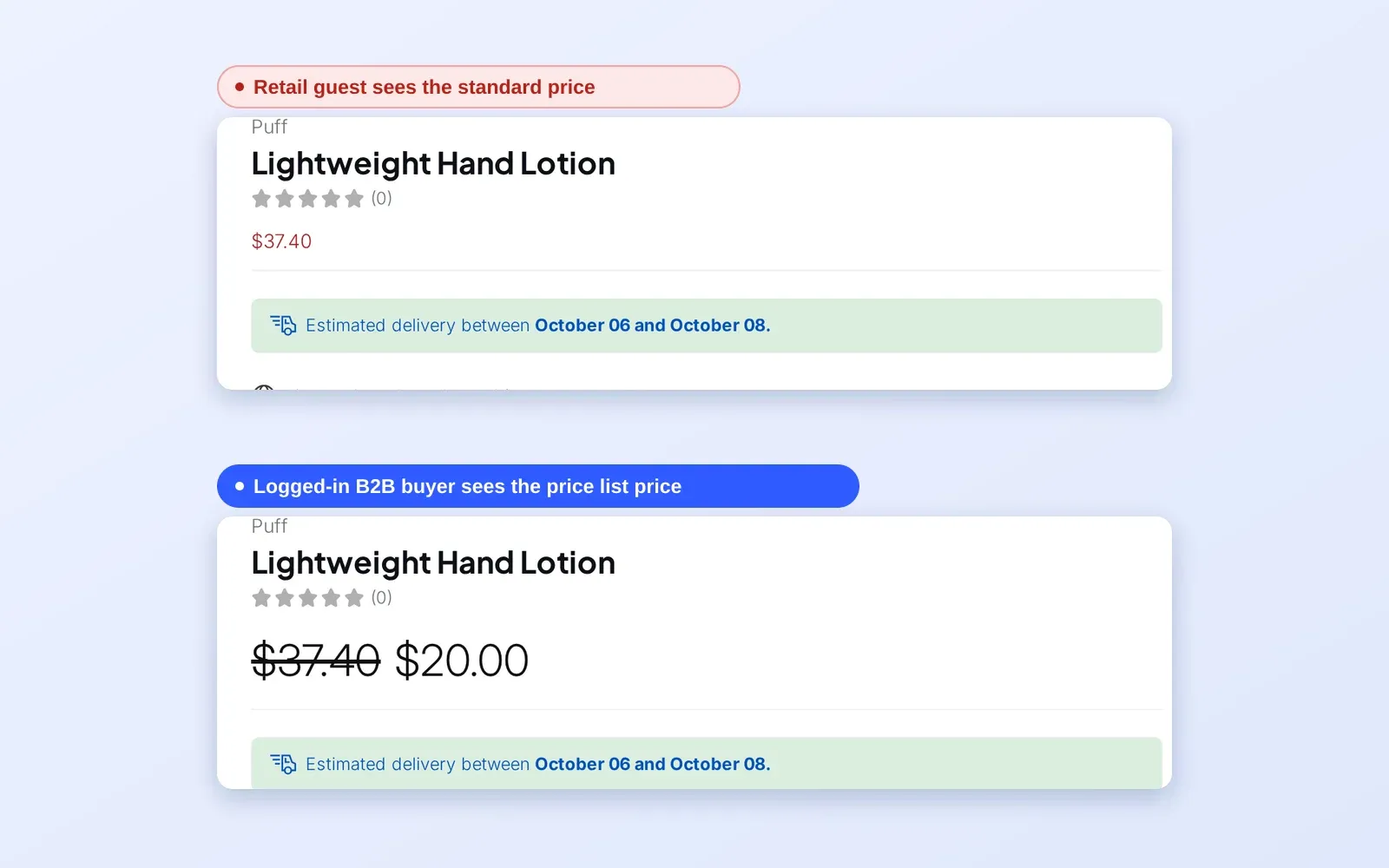
A key component of B2B eCommerce best practices is making sure that customers have a customized experience, similar to the customized interactions they are used to in offline business partnerships. In contrast to B2C transactions, which often have fixed prices, B2B customers frequently anticipate personalized pricing plans, access to unique product catalogues, and suggestions based on past purchases.
For instance, using the same pricing approach for small merchants and large clients would be inefficient when a wholesale electronics distributor services both groups. Larger purchasers usually look for bulk discounts, but smaller companies could depend on credit alternatives to keep their cash flow stable. In order to meet these diverse demand.

ds, companies may use AI-driven suggestions and dynamic pricing models to provide a more personalized shopping experience that improves consumer satisfaction and boosts sales.
2. Offer Flexible Payment Options
Let’s see B2B eCommerce examples. Online buyer’s purchase process involve purchase orders, credit terms, and multi-stage approval steps. A rigid payment system can drive away potential customers, especially enterprises that follow strict procurement policies.
A B2B office supplies vendor, for instance, might work with companies that prefer Net 30 or Net 60 payment terms rather than paying upfront. Integrating payment options like ACH transfers, corporate credit lines, digital invoicing, and buy-now-pay-later (BNPL) solutions ensures that businesses can complete transactions smoothly without financial friction.
3. Streamline Bulk Ordering & Reordering

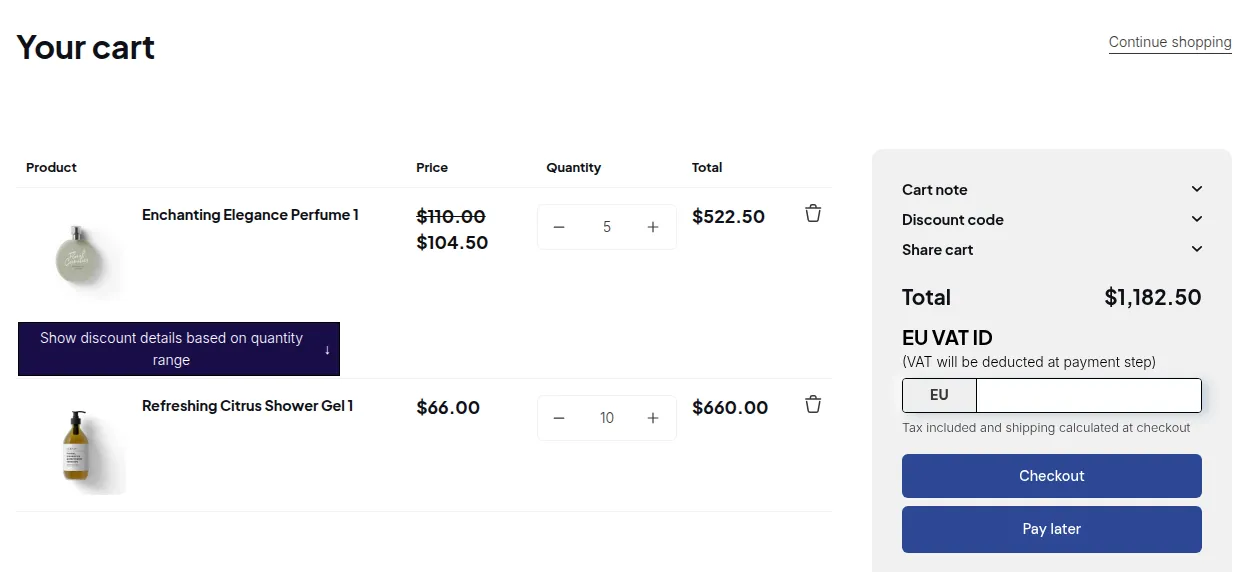
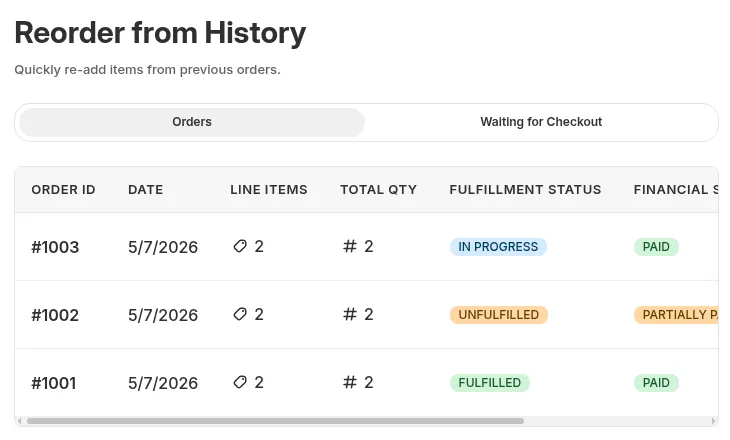
Because B2B clients usually make large purchases and place repeat orders, an efficient order management system is essential to B2B eCommerce best practices. B2B customers value efficiency and anticipate a quick, easy ordering process with little human labor.
Consider a chain of restaurants that purchases their products from a food provider. It would be ineffective and time-consuming to manually add things to the basket each time if they needed to refill the same products on a weekly basis. Businesses may use automatic replenishment notifications, stored shopping lists, and one-click reordering to expedite this process.
4. Optimize for Mobile Shopping
The trend of shopping on mobile phones is increasing, because it is convenient, you can order and check shipping information anywhere, anytime. You should optimize page loading speed as well as customize product display on the phone so that the interface is easy to use, without information overload.
5. Integrate with ERP & CRM Systems
One of the B2B eCommerce best practices for managing a real-time business is to integrate inventory management and customer management software. You can view metrics on a daily basis, and then create a dashboard to see how your business is performing. At the end of the month, you can also make a report to find insights into the cause of errors in the way of operation
6. Make Your Website Stupidly Easy to Use

When it comes to website transactions, buyers will not want a website that contains too many plugins, ads and animations. Easy to understand, right? They want to visit and buy, it’s that simple. So don’t waste resources installing unnecessary utilities.
To make it easier for users to use the website, you can put an onboarding video to briefly guide the steps on the page. Buyers will see that this business is thoughtful and have a good impression of you!
7. Let Customers Help Themselves
People often joke that in the eCommerce space we compete on speed. Indeed, no customer likes to wait or exchange five emails just to track an order. B2B buyers expect a self-service portal where they can place orders, manage invoices, and check shipping status without having to call anyone. So design your checkout dashboard and notifications so that customers can check on their orders at any time.
For example, Shopify, as the best eCommerce platform for B2B, offers real-time order tracking and automated invoicing. You can try it for free!
8. Price Smart, Not Static
On eCommerce platforms, comparing prices is effortless. Buyers can instantly check multiple suppliers or chat with support to negotiate better deals. If your pricing is static while competitors offer more flexibility, customers will move on without hesitation.
So, you should embrace dynamic pricing as part of your B2B eCommerce best practices. Instead of sticking to fixed rates, adjust prices based on demand, order volume, and customer loyalty. Offer bulk discounts, personalized pricing, and exclusive deals for repeat buyers to boost engagement and retention. By doing so, you make it harder for competitors to lure your customers away.
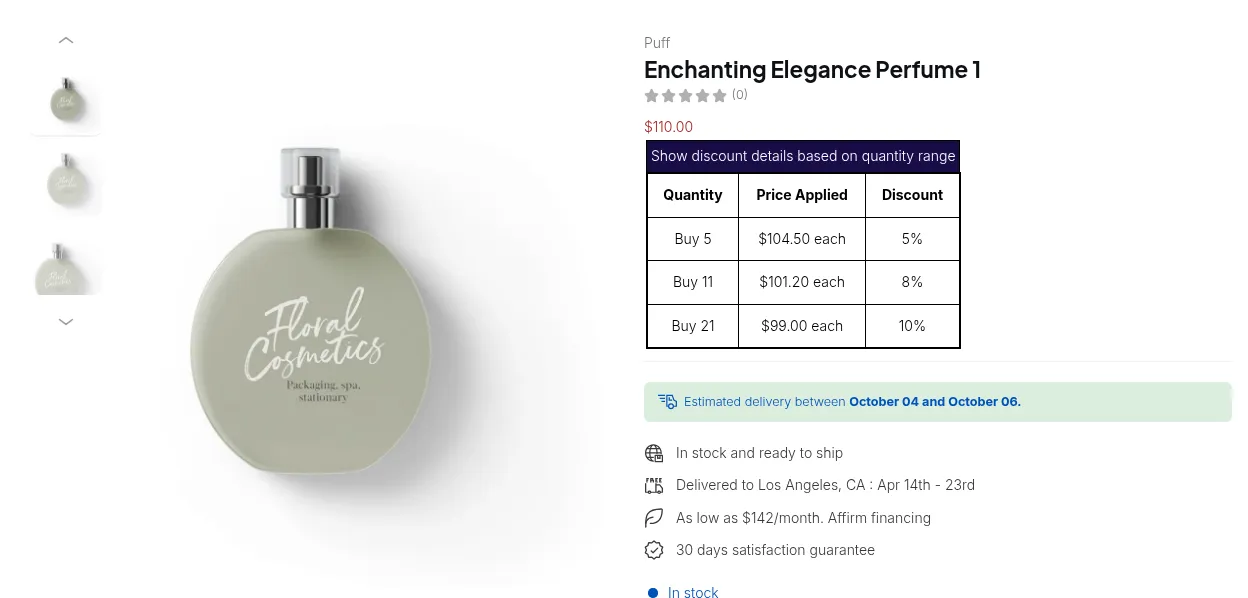
9. Keep the Relationship Alive After Checkout
B2B sales don’t end with a transaction—they start there. If your only interaction with customers is when they place an order, you’re doing it wrong.
A B2B office supply company that follows up with personalized emails, reorder reminders, and exclusive loyalty offers keeps customers engaged. The more proactive you are in checking in, offering value, and solving problems before they arise, the more likely customers will stick with you for the long run.
10. Sell Everywhere (But Keep It Cohesive)

B2B buyers will often do extensive research on a partner before contacting them. They may check your website, customer support, or even look at sites like Amazon Business or Alibaba to find the best options. If you rely solely on your website, you are missing out on huge opportunities.
For example, a B2B chemical supplier – listing high-demand products on Alibaba can help attract new buyers, while maintaining wholesale prices and custom deals specific to their e-commerce platform. This way, they expand their reach without losing control over their pricing strategy.
11. Get Smart with Customer Segmentation
To get the most out of your customer service strategy, follow our B2B eCommerce best practices: Segment your customers into segments – based on industry, business size, purchase history, or even location. You can then dig deeper into their needs and spending habits, which can help personalize the buying experience. For example, recommend more relevant products, follow up with targeted email marketing, or offer deals that get customers to close right away.
12. Keep Your Product Info Spot-On
Customers only spend 3-5 seconds to browse for product information. They will be very annoyed if they cannot find detailed information about the product clearly and easily. They even want to quickly read about specifications, certifications, availability and even comparison charts.
So always include that information in the product description, write it clearly and coherently. If you don’t have much time, you can look at PIM – product management system. This system centralizes all your product data, ensuring consistency across your website, marketplace and sales channels.
13. Build Real Relationships with Your Customers
B2B eCommerce isn’t just about transactions – it’s about long-term partnerships. Think about it: when a business finds a supplier they can rely on, they’ll keep coming back. So, how do you build that trust? Engage with your customers beyond the sale.
One way is through feedback loops. Ask for their opinions, invite them to beta-test new features or even co-develop products based on their needs. Software companies do this all the time—they create user communities where customers share insights, suggest improvements, and shape the product roadmap.
When customers feel like they’re part of something bigger, they’re more likely to stay loyal. And loyal customers? They bring repeat business and word-of-mouth referrals, which are gold in B2B.
14. Think Global, Act Local
Expanding into overseas markets may seem appealing, but it is fraught with difficulties, including various languages, currencies, legislation, and cultural expectations. If you don’t plan for these variances, you may struggle to make progress.

Assume you’re a B2B provider that ships to Europe and Asia. Your website should handle many languages and currencies, but that’s only the beginning. Shipping regulations must be well defined, and local compliance requirements must be observed. A basic pricing plan that works in the United States may not work in other regions owing to import tariffs and currency changes.
15. Show That You Care About Sustainability
More companies are selecting suppliers that share their values, particularly in sustainability. Businesses desire ethical and sustainable business practices as well as quality products. You risk losing sales to competitors who are considering sustainability if you’re not.
What can you do? Start by providing more sustainable product choices, cutting down on packaging waste, or sourcing materials ethically. Using recyclable materials and energy-efficient processes can make a significant impact if you are a manufacturer. Being sustainable is not enough; you have to discuss it too. On your website, product pages, and marketing materials, be open and honest about your intentions.
16. Develop an Omnichannel Strategy for B2B Sales
B2B purchasers no longer base their judgements only on a single channel. Before calling a sales representative for final discussions, they may begin with an email campaign, compare rates on your website, and go through LinkedIn reviews. You’re losing money if your eCommerce company solely concentrates on one channel.
Using an omnichannel approach guarantees a smooth experience at every touchpoint. In other words, your email, social media, mobile app, website, and even offline encounters should all be integrated. Customers should be able to finish the purchase on their phone without having to restart, for example, if they add products to their basket on their desktop.
17. Use AI for Dynamic Pricing and Personalized Offers

Static pricing structures are no longer sufficient in B2B eCommerce. Pricing may vary depending on order volume, previous purchases, and market demand. To improve revenue, leading B2B organizations use AI-powered dynamic pricing rather than manually altering rates.
Amazon Business is a perfect example; it uses AI to give personalized pricing for various business accounts, assuring competitive rates while maximising income. If your B2B eCommerce site can provide smart, flexible pricing, sales and customer happiness will rise.
18. Invest in Customer Education and Training
Buyers want to have a good grasp of what they are buying in as B2B buying is usually sophisticated, involving sophisticated products and longer decision-making. If your customers are struggling to navigate your eCommerce site or fully understand the benefit of your products, they will avoid purchasing.
This is where consumer education comes in. You can assist prospective consumers in making an informed decision through the creation of video tutorials, interactive webinars, product manuals, and even live Q&A. Some of the top B2B eCommerce websites have added learning centers in which companies are able to create content addressed at their target market.
19. Optimize for Voice Search to Reach Modern Buyers
“Hey Siri, where can I buy bulk stainless steel pipes near me?”
That’s exactly how modern B2B buyers search for products. Voice search is becoming a huge deal, thanks to the rise of smart assistants like Siri, Alexa, and Google Assistant. If your B2B eCommerce platform isn’t optimized for voice search, you could be missing out on potential buyers.
How do you optimize?
- Use conversational keywords instead of robotic ones.
- Improve local SEO
- Structure content with FAQs
20. Tap into Social Commerce & Expand Your Reach

B2B sales used to rely heavily on cold calls and trade shows, but that’s old-school now. Decision-makers and procurement teams are actively engaging on social media, so your B2B eCommerce strategy should too.
Platforms like LinkedIn, Facebook, and even Instagram are powerful tools for B2B lead generation. A wholesaler selling office furniture can showcase products on LinkedIn and drive traffic directly to their eCommerce store. Similarly, a chemical supplier can use YouTube to educate potential buyers through detailed video guides.
Example: Salesforce uses LinkedIn to distribute content and capture high-value B2B leads, proving social media is not just for B2C anymore.
How to start with B2B eCommerce Business?
Below is a step-by-step guide to help you strategically build and scale your B2B eCommerce business.
Step 1: Understanding Your Market & Customers

Before anything else, you need to be clear about who you’re selling to and how they buy. B2B buyers research more, expect custom solutions, and frequently buy on behalf of an entire company, so you must understand their pain points, decision-making process, and expectations from a supplier.
Step 2: Choosing the best B2B eCommerce Platform
Many businesses start with popular platforms like Shopify Plus, Magento, or BigCommerce B2B. Each offering features tailored for bulk ordering, negotiated pricing, and account-based purchases.
For instance, if you are running a wholesale electronics business. You need a system where returning buyers can place bulk orders effortlessly, receive custom pricing based on order volume, and track shipments in real time.
Step 3: Creating a Strong Product Strategy
In the eCommerce market, B2B buyers require detailed product specifications, technical documentation, and transparent pricing structures. Businesses rarely make impulse purchases; instead, they compare options, check compliance requirements, and frequently request samples before committing to a supplier.
Step 4: Optimizing the Payment & Checkout Process

Many companies prefer payment terms such as Net 30, Net 60 (paying after a set period), ACH transfers, or even purchase orders, as opposed to a simple “Add to Cart” and checkout. If your platform only accepts credit card payments instantly, you may lose potential clients who follow corporate procurement policies.
Step 5: Building Trust & Long-Term Relationships
One of the B2B eCommerce best practices that is useful for all businesses across all industries is to focus on building trust and long-term relationships with your existing customers. Unlike B2C customers, B2B customers who have trusted you with their products and services are much more likely to return and continue using your services. You can update new features and new care policies to attract them to stay long term.
Conclusion
Applying B2B eCommerce best practices helps businesses build seamless and efficient shopping experiences that meet the expectations of modern customers. Above, we have listed many tips that can help you stay competitive and even stand out in the market.
If you have any more tips, please feel free to comment for other businesses to refer to. And don’t forget to continue following BSS B2B Solutions. Many thanks!
Professional B2B wholesale setup for your business.
Streamline your wholesale business to sell smarter and scale with ease.
[no_toc]
You may also like

Shopify Tiered Pricing: How to Set Up Quantity Tiers for Wholesale and Retail (2026)
Shopify tiered pricing means the unit price drops as the quantity grows. Native Shopify B2B supports it […]

Is Shopify B2B or B2C? Run Both in One Store (2026)
Shopify supports both B2B and B2C. One store can sell to consumers and to businesses, which Shopify […]

11 Shopify B2B Examples: Real B2B Websites and Case Studies (2026)
The best Shopify B2B examples do one job clearly: a gated application, customer-specific prices, quick reordering or […]