How to Start a Wholesale Business in 2026: 8 Steps From Idea to First Order

To start a wholesale business, pick a product niche, write a one-page plan, register the business and get a tax ID, find reliable suppliers, set wholesale prices and order minimums, then open a way for retailers to order, such as a Shopify store. You can start small with one or two product lines and a short first order.
Registration form with approval, wholesale prices, order limits and Net Terms in one app. Free on development stores, 14-day trial on paid plans.
Install BSS B2B Solution See pricingLast updated October 4, 2026. We rewrote this 2025 guide: it now uses current sources, shows the margin math instead of unsourced margin ranges, and names the Shopify B2B changes of April 2026. Business and tax rules differ by country and state. The legal steps below use the United States as the example, so check your own local rules. BSS B2B Solutions makes apps for wholesale stores on Shopify, and we say where an app is optional. For the platform side in depth, read how to set up a wholesale store on Shopify and the complete Shopify B2B guide.
Key takeaways
- A wholesale business buys or makes goods in volume and sells them to other businesses, such as retailers and resellers, at a price below retail with a minimum order.
- Start with one niche. Niche decides your suppliers, storage, shipping cost and buyers.
- Plan on one page. The SBA says a lean startup plan can take as little as an hour and is typically one page (SBA).
- Do the paperwork first: structure, an EIN if you need one, state tax registration and a resale certificate for purchases. Rules are set by your state or country.
- Price from your cost and a target gross margin, not from a guess. The table below shows the math.
- Shopify’s native B2B has been included on Basic, Grow, Advanced and Plus since April 2, 2026 (Shopify), so a new wholesaler can start on a standard plan.
What is a wholesale business?
A wholesale business sells goods in bulk to other businesses instead of to individual shoppers. The buyer plans to resell the goods or use them in its own work. In return for volume and repeat orders, the seller gives a lower unit price and usually asks for a minimum order. See the glossary entries for wholesale and distributor.
| Type | What it does | Typical buyer |
|---|---|---|
| Merchant wholesaler or distributor | Buys from many makers, stores the stock and resells it | Retailers, restaurants, small shops |
| Manufacturer or brand selling wholesale | Sells its own products in bulk through a wholesale channel | Boutiques, stockists, resellers |
| Importer | Brings goods from abroad and sells them locally in bulk | Retailers and distributors |
| Dropship wholesaler | Lists a supplier’s stock and ships orders from the supplier | Online retailers |
| Broker or agent | Connects buyers and suppliers for a fee, without owning the stock | Both sides |
How to start a wholesale business in 8 steps
Step 1: Choose a niche and a model
Pick one or two product categories, not a mix. Score each idea on demand that repeats (consumables beat one-off items), weight and size (shipping eats margin), seasonality, how many other wholesalers carry it, and how much you can learn before you buy. Then choose a model: stock and ship yourself, take pre-orders, or dropship. For ideas, see our wholesale business ideas.
Step 2: Check demand and the price gap
Before you buy anything, ask five to ten possible buyers what they pay today, what minimum they accept and who supplies them. Call small retailers in your niche. Look for a product they struggle to get, or a supplier they find unreliable. Write the answers in a sheet. They become your first price list and your first customers.
Step 3: Write a one-page plan
The SBA describes a lean startup plan: condensed, high level, often one page. Its nine sections are key partnerships, key activities, key resources, value proposition, customer relationships, customer segments, channels, cost structure and revenue streams (SBA: write your business plan). Add three wholesale-specific numbers: how much cash you need for the first purchase, how long buyers take to pay, and how many orders you need per month to cover costs. Update the plan after every supplier and buyer conversation.
Step 4: Register the business and get the right tax numbers
These steps use the United States as the example. Other countries have equivalents, such as a company registration and a VAT or GST number.
- Choose a structure. The SBA lists sole proprietorship, partnership, LLC and corporation, which differ in personal liability and tax treatment (SBA: choose a business structure).
- Get an EIN if you need one. The IRS says businesses need an EIN to hire employees, operate a partnership or corporation, pay sales and excise taxes and more, and that you never have to pay a fee for one (IRS: get an EIN).
- Register for state tax and licenses. The SBA says most small businesses need a mix of federal and state licenses and permits, and that what you need from the state, county or city depends on your activities and location (SBA: licenses and permits). Ask your state department of revenue about a sales tax permit.
- Use a resale certificate for purchases. A resale certificate lets a US business buy goods for resale without paying sales tax; names and rules vary by state. As one example, the Texas Comptroller lists a Texas Sales and Use Tax Resale Certificate (Form 01-339) on its sales tax forms page. Suppliers will ask for yours.
This is general information, not legal or tax advice. Confirm each step with your state or an accountant.
Step 5: Find and test suppliers
| Check | What to ask or do |
|---|---|
| Reliability | Order a sample, then a small first order; measure lead time and quality |
| Terms | Minimum order, price breaks, payment terms, returns and defects |
| Credibility | Business registration, real address and contact, references |
| Backup | A second supplier for your top product |
| Landed cost | Product plus freight, duties, handling and your own shipping |
Go direct to manufacturers for the best price, and to distributors or importers for smaller quantities. Directories help you start the search. See our list of wholesale suppliers in the USA.
Step 6: Plan storage and operations
You need somewhere to store goods, a way to count them and a way to ship them. Start with the smallest setup that works: a spare room or a rented unit, a spreadsheet or the inventory tools in your store, and a carrier account. Check your city’s rules for running a business from home before you store stock there; the SBA notes that local licenses depend on your activity and location.
Step 7: Set wholesale prices and terms
Price from your landed cost and the gross margin you need. The formula is price = cost divided by (1 minus margin). The table shows it for a $10.00 landed cost.
| Target gross margin | Wholesale price | Markup on cost |
|---|---|---|
| 20% | $12.50 | 25% |
| 30% | $14.29 | 43% |
| 40% | $16.67 | 67% |
| 50% | $20.00 | 100% |
Then test it from the buyer’s side. A common retail rule of thumb is keystone pricing: the retailer doubles the wholesale price. If your wholesale price is $14.29, a keystone retailer prices at $28.58. Check that number against what the market pays. Next write your terms: minimum order (see MOQ), case packs, payment terms and shipping. Start with prepayment or card for new buyers, and offer net terms only to verified buyers with a record. Our guides cover minimum order quantity, tiered pricing and Net 30 terms.
Step 8: Open your wholesale store and find your first buyers
You can take orders by email, but an online store lets buyers apply, see their prices and reorder without you. On Shopify, native B2B includes companies, catalogs, quantity rules, price breaks and net terms on Basic, Grow, Advanced and Plus, with up to 3 active catalogs outside Plus (plan table). Plans are $19, $49 and $299 per month billed yearly for Basic, Grow and Advanced (Shopify pricing). Shopify says a blended store, which sells to D2C and B2B customers, shares one storefront and cannot be gated to B2B customers only (Shopify store types). Start blended if you also sell retail; see selling B2B and B2C from one store.
Apps fill the gaps native B2B leaves. BSS B2B Solution adds a registration form with approval, prices by customer tag and order limits; BSS B2B Lock hides prices from guests; BSS B2B Quote adds quick order and quotes. Our wholesale store from scratch use case walks through the setup.
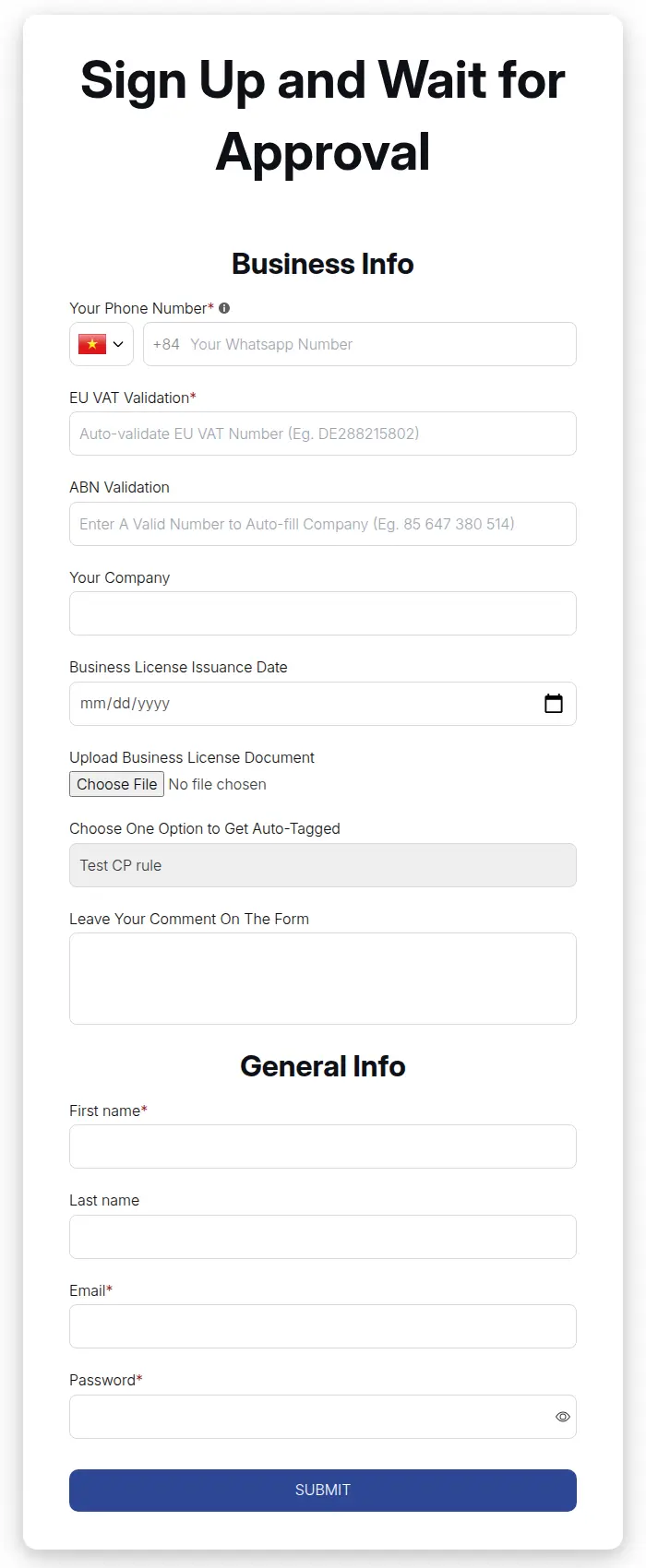
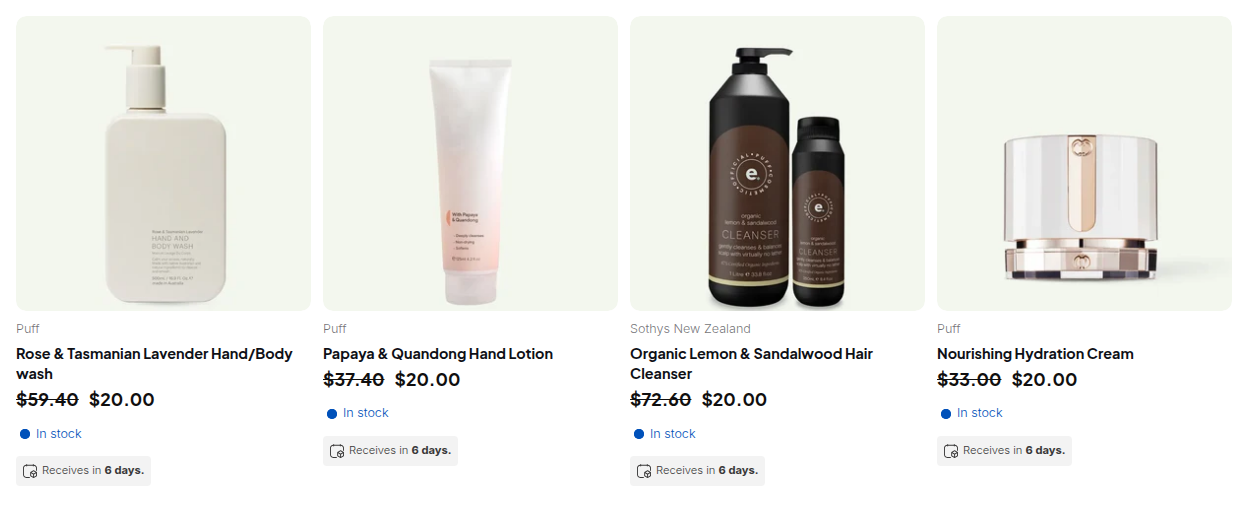
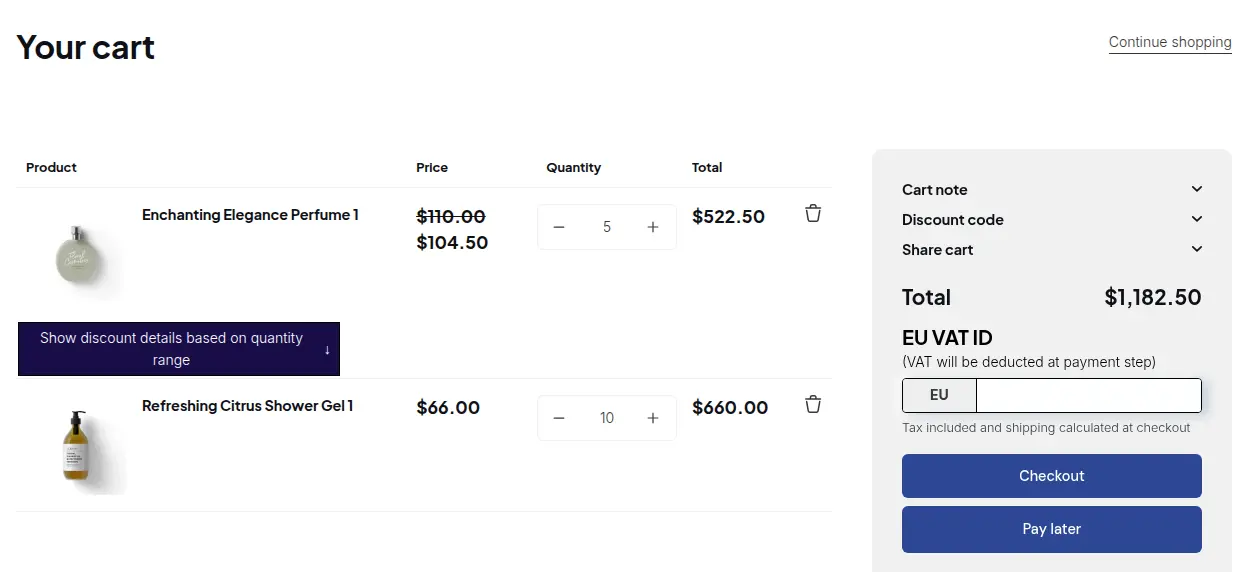
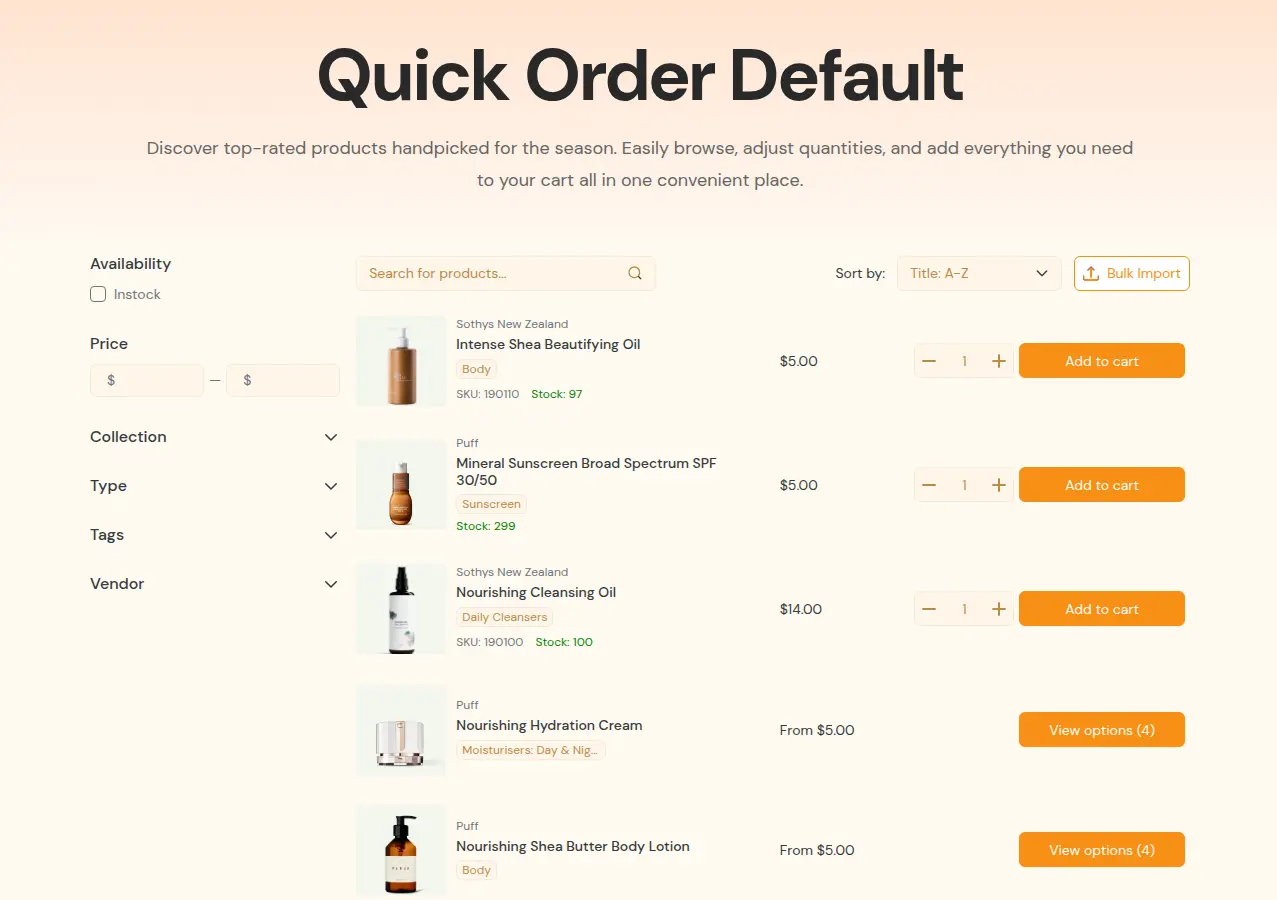
Register and approve buyers, price them, unlock private content and take quotes.
See the BSS appsTo find buyers, list your products with a line sheet, email local retailers in your niche, visit trade shows and ask your first buyers for referrals. Follow up on every application within a day.
How to set up a wholesale program for your brand
If you already sell your own products, a wholesale program is the set of rules for retailers who want to stock them. Decide these before you announce it.
| Term | Decide | Example question |
|---|---|---|
| Eligibility | Who can apply | Business license or resale certificate required? |
| Application | What you collect | Tax ID, website, store photos, expected volume |
| Price | Wholesale price and tiers | Half of retail, with a lower price at 50 units? |
| Minimums | First order and reorder minimums | $250 first order, $150 after? |
| Terms | Payment and shipping | Prepaid first order, net 30 after three orders? |
| Brand rules | Minimum advertised price, territory | Do you restrict online resale? |
See silver, gold and platinum wholesale tiers and the wholesale registration form with approval use case. The customer onboarding hub covers applications in more depth.
Can you start a wholesale business from home?
Yes, if the stock is small, light and easy to store, or if you dropship. Check three things first: your city’s rules for home businesses, whether your lease or insurance allows storing and shipping goods, and whether a supplier will ship in cartons you can handle. Many home-based wholesalers start with pre-orders or a short first run, then rent storage when orders repeat.
How do you run a wholesale business day to day?
- Inventory. Track stock and reorder points for your top products every week.
- Customers. Keep each buyer’s price, terms and order history in one place, such as company records in your store.
- Cash. Chase invoices on a fixed schedule. Late payment is the usual wholesale cash problem.
- Suppliers. Talk to them before busy seasons so you hear about delays early.
- Numbers. Track repeat order rate, average order value and gross margin each month.
Frequently asked questions
How do I start a wholesale business?
Choose a niche, validate demand with a few buyers, write a one-page plan, register the business and tax numbers, find and test suppliers, set prices and minimums, then open an online store and approach your first retailers.
How much money do you need to start a wholesale business?
It depends on your product and model, so we give no single figure. Budget for initial stock (the biggest cost), storage, platform fees, licenses, insurance and a cash buffer for slow-paying buyers. Dropshipping or pre-orders lower the stock cost but also your margin and control.
Do I need a license to sell wholesale?
Usually you need business registration and tax numbers, and sometimes a state permit. In the US, requirements vary by state, county and city, and many suppliers ask for a resale certificate. Ask your state department of revenue and check the SBA licenses and permits page.
How do I become a wholesaler?
Register the business, get your tax numbers, find a supplier who sells in volume at a price that leaves you a margin, and find retailers who will buy from you. You can start with one product line.
What is a good gross margin for a wholesale business?
There is no single right figure, and we do not quote an average. Work backward: add your landed cost, shipping, payment fees and overhead, then check that your price leaves the gross margin you need, as the table above shows.
Can I start a wholesale business with no money?
It is hard but possible at small scale: use pre-orders, dropshipping or a supplier who offers terms, and collect payment before you buy stock. Expect lower margins and less control over delivery.
Can I run a wholesale business on Shopify?
Yes. Native B2B features are included on Basic, Grow, Advanced and Plus. Add an app for registration with approval, tag-based prices, quotes or locked prices when you outgrow the native tools.
What is the difference between wholesale and distribution?
Wholesale means selling in bulk to businesses. A distributor is a kind of wholesaler that buys from makers, holds stock and resells to retailers. A brand can also sell wholesale directly without a distributor.
Sources
- SBA: Write your business plan, Choose a business structure, Apply for licenses and permits, Get federal and state tax ID numbers.
- IRS: Get an employer identification number and Texas Comptroller: sales and use tax forms (example of a state resale certificate).
- Shopify: native B2B for more merchants (April 2, 2026), B2B features by plan, Blended and dedicated stores, Pricing.
- All read October 4, 2026. BSS plan prices: BSS B2B Solution listing (4.9, 1,187 reviews).
Open a Shopify wholesale store with BSS B2B Solution. Add BSS B2B Lock for private prices and BSS B2B Quote for quotes and quick order.
Install BSS B2B Solution Talk to usYou may also like

How to Sell Wholesale to Retailers: A Playbook for Shopify Brands
To sell wholesale to retailers, set a wholesale price that leaves room for both of you (usually […]

Shopify Tax Exempt Customers With a Resale Certificate: A US Guide for Wholesale Sellers
A resale certificate is a state-issued US document that lets a business buy goods it will resell […]

Faire Alternatives for Brands: Sell Wholesale on Your Own Shopify Store
The best Faire alternative for most Shopify brands is not another marketplace. It is your own Shopify […]