

GroundGrabba AU is an Australian brand of screw-in ground anchors that sells to campers, pet owners, installers and contractors. Its Shopify store stays open to retail shoppers while trade buyers apply for an approved account. This spotlight looks at how the public storefront separates the two audiences and which BSS B2B apps are involved.
At a glance
- Store: GroundGrabba AU, Australia, screw-in ground anchors and tie-down hardware
- Model: hybrid. Retail shoppers buy normally, trade and commercial buyers need an approved account
- How trade buyers get in: a trade application page, reviewed by the merchant, with payment on a cash basis
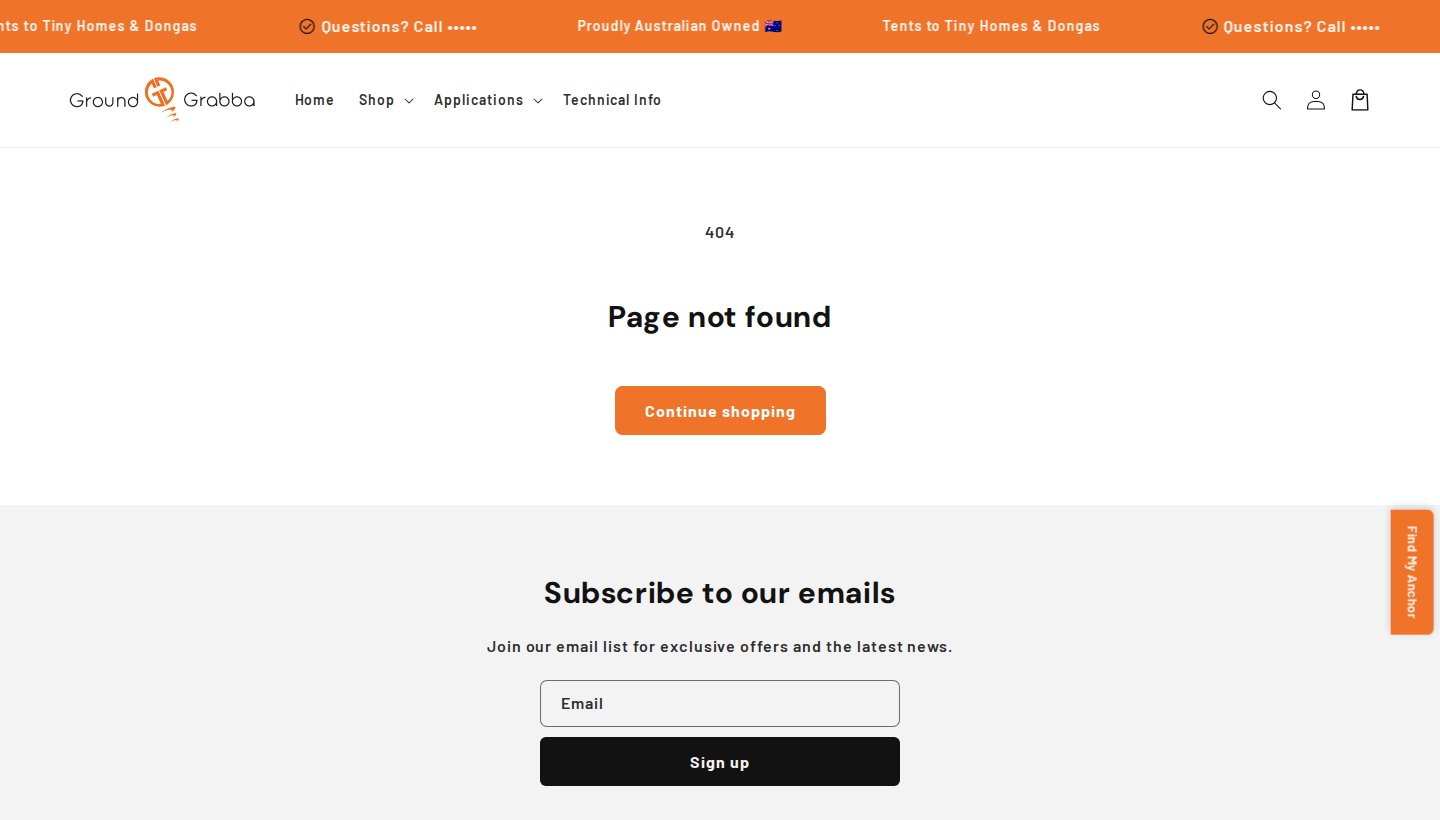
- What guests do not see: the three B2B category pages (anchors, hardware and accessories, systems and kits) return a “Page not found” message
- Apps named in the merchant’s reviews: BSS B2B Solution and BSS B2B Lock, both installed in June 2026
About GroundGrabba AU
GroundGrabba tells its story as a business that started with a tent peg. The founders settled on the coast of Kingscliff in northern New South Wales in 2010, frustrated with camping equipment that did not hold, and set out to provide better ground anchoring for tents, canopies and shelters. The product that came out of that, a drill-driven screw-in anchor, then found customers outside camping, and the brand now also serves site security, signage, temporary structures and other jobs where a concrete footing would be slow or impossible.
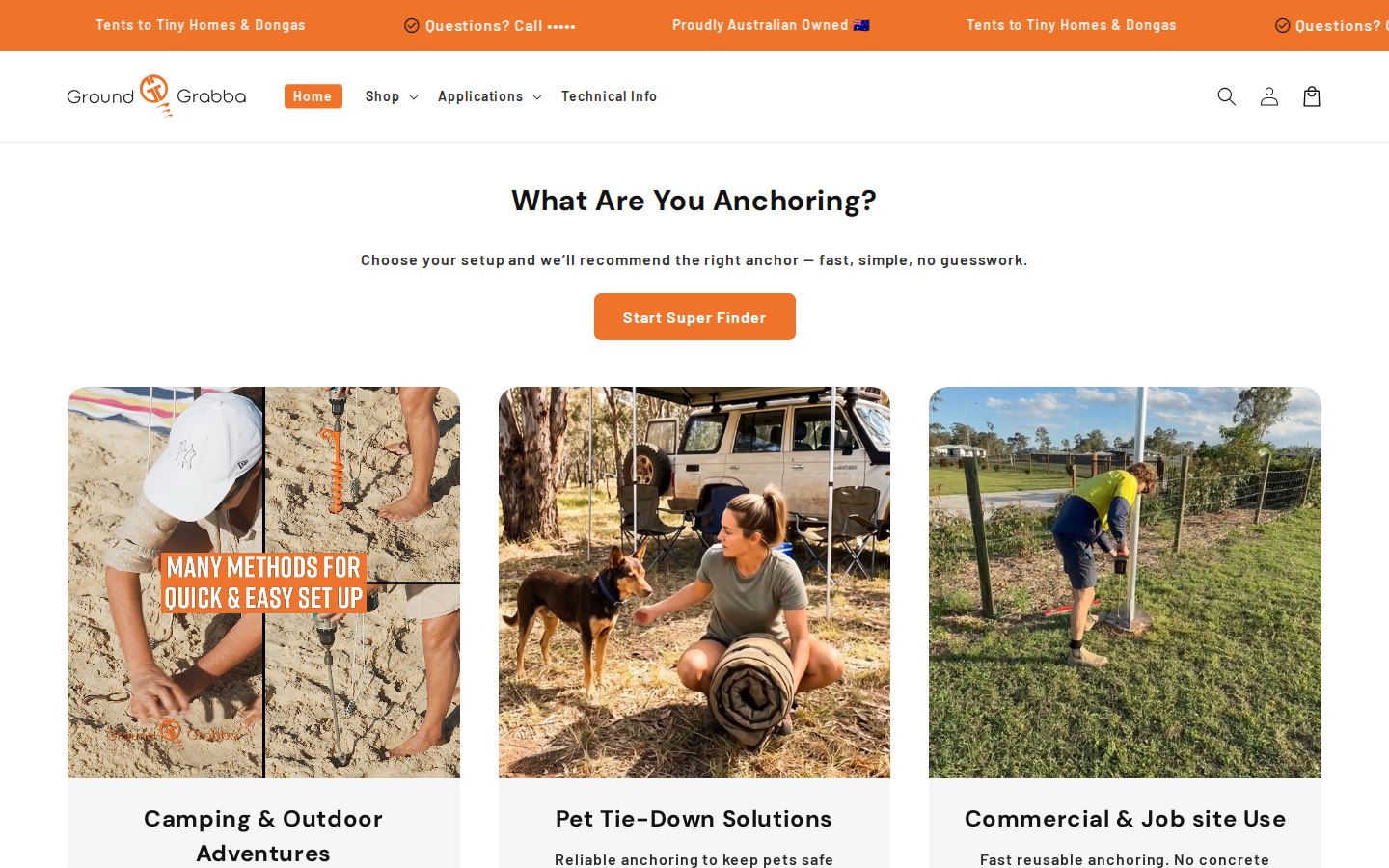
The home page shows the split directly. Under the question “What are you anchoring?” three tiles lead to camping and outdoor, pet tie-down solutions and commercial and job-site use. The catalog behind them includes general-purpose anchors, heavy-duty commercial anchors, kits and packs, and accessories such as hooks, washers, drill bits, tie-down cables and carry bags. A technical information section publishes specifications, certifications and pull-out test material, which is the kind of content a professional buyer reads before ordering.
Their B2B model: retail for everyone, trade by approval
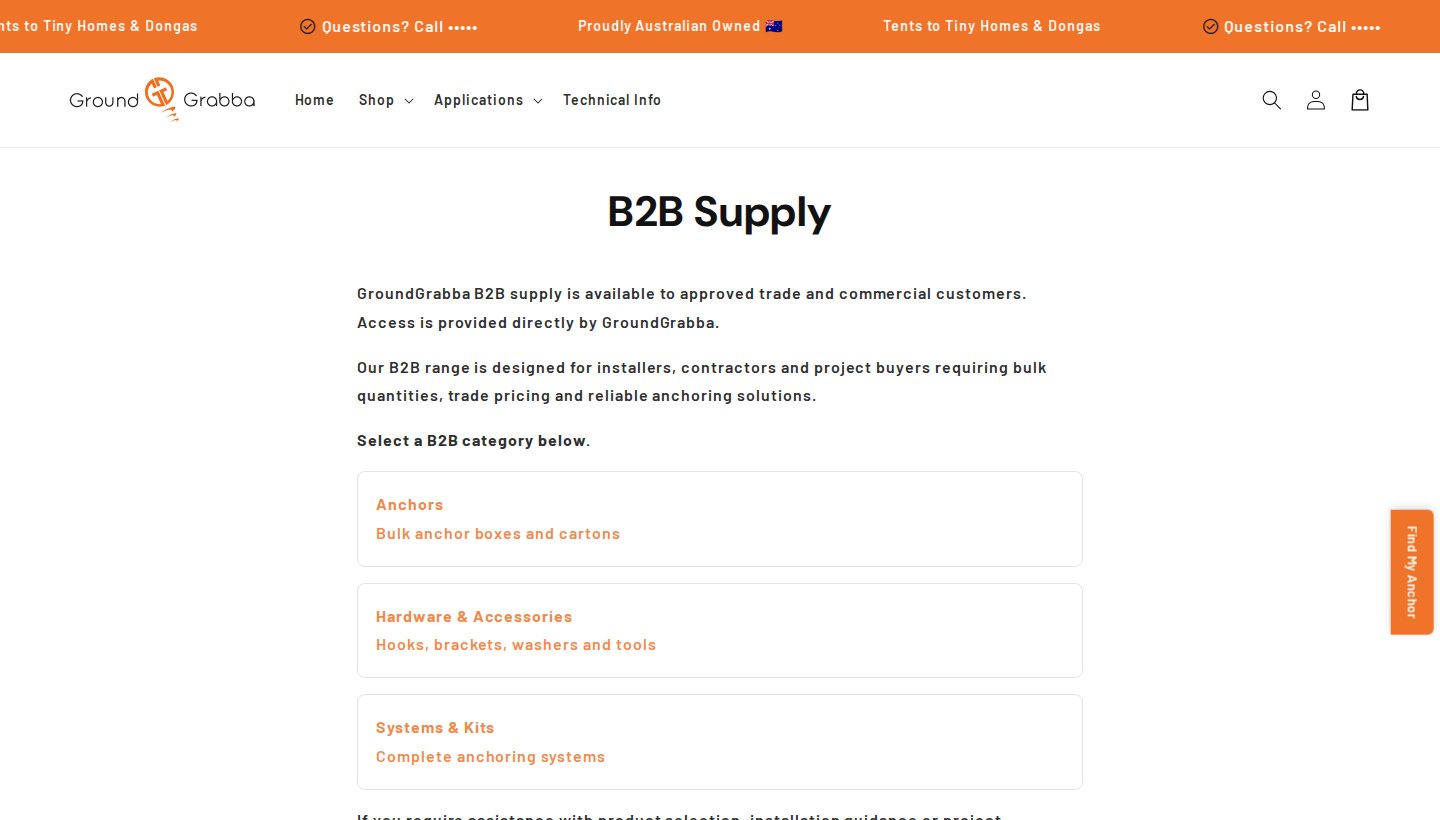
This is a hybrid store. Anyone can buy retail products at the listed prices, and the retail experience is the main storefront. Trade is a layer on top. The merchant’s B2B supply page says that GroundGrabba B2B supply is available to approved trade and commercial customers, that access is provided directly by GroundGrabba, and that the range is designed for installers, contractors and project buyers who need bulk quantities, trade pricing and reliable anchoring solutions.
A hybrid model has a particular risk. If the same catalog serves a camper and a contractor, retail prices and trade prices can collide, and special trade products can leak into search results. The store’s answer is to keep trade products and trade prices behind approval and to publish clear rules for how trade accounts work.
How the storefront handles wholesale
1. A trade application with explicit rules
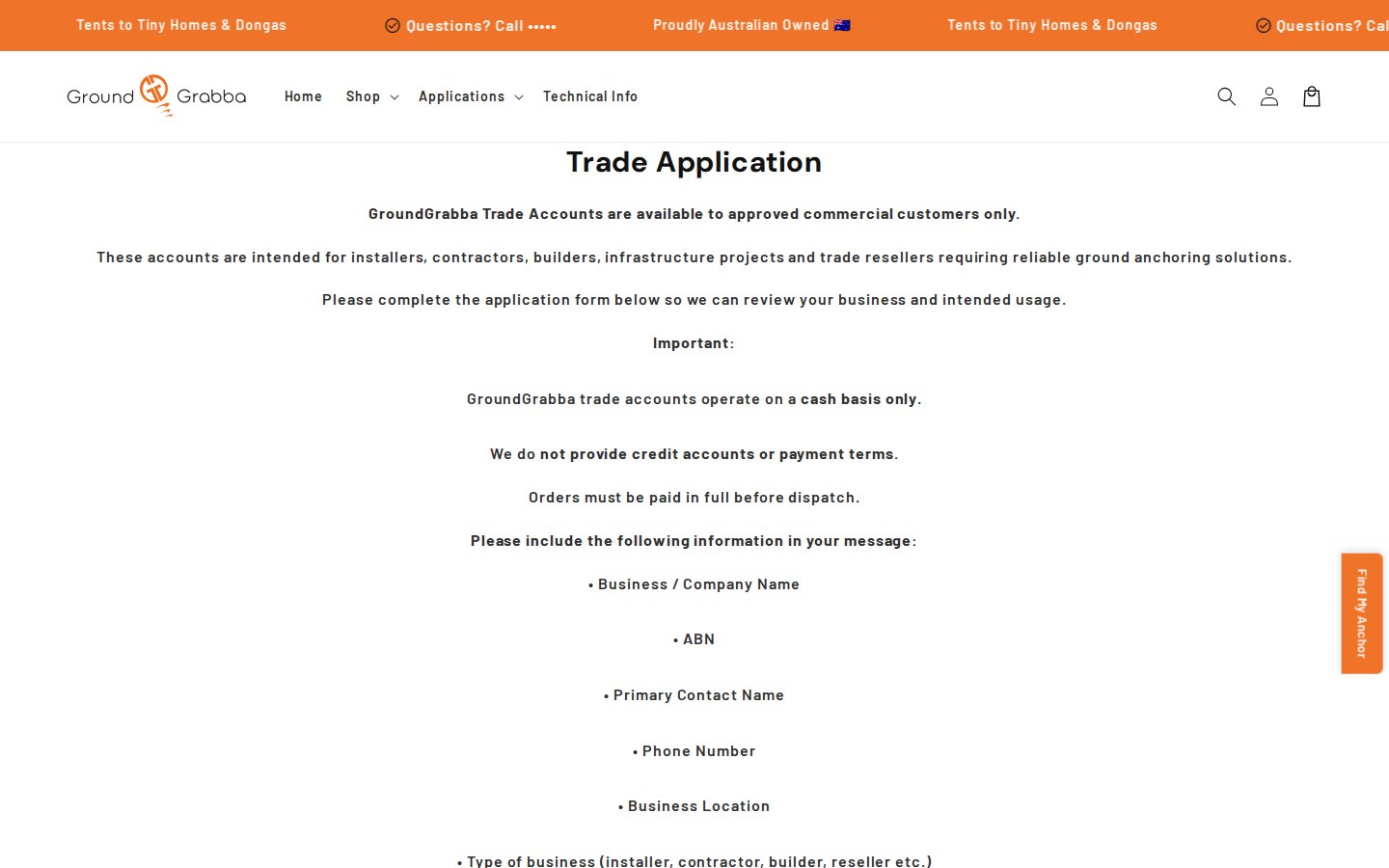
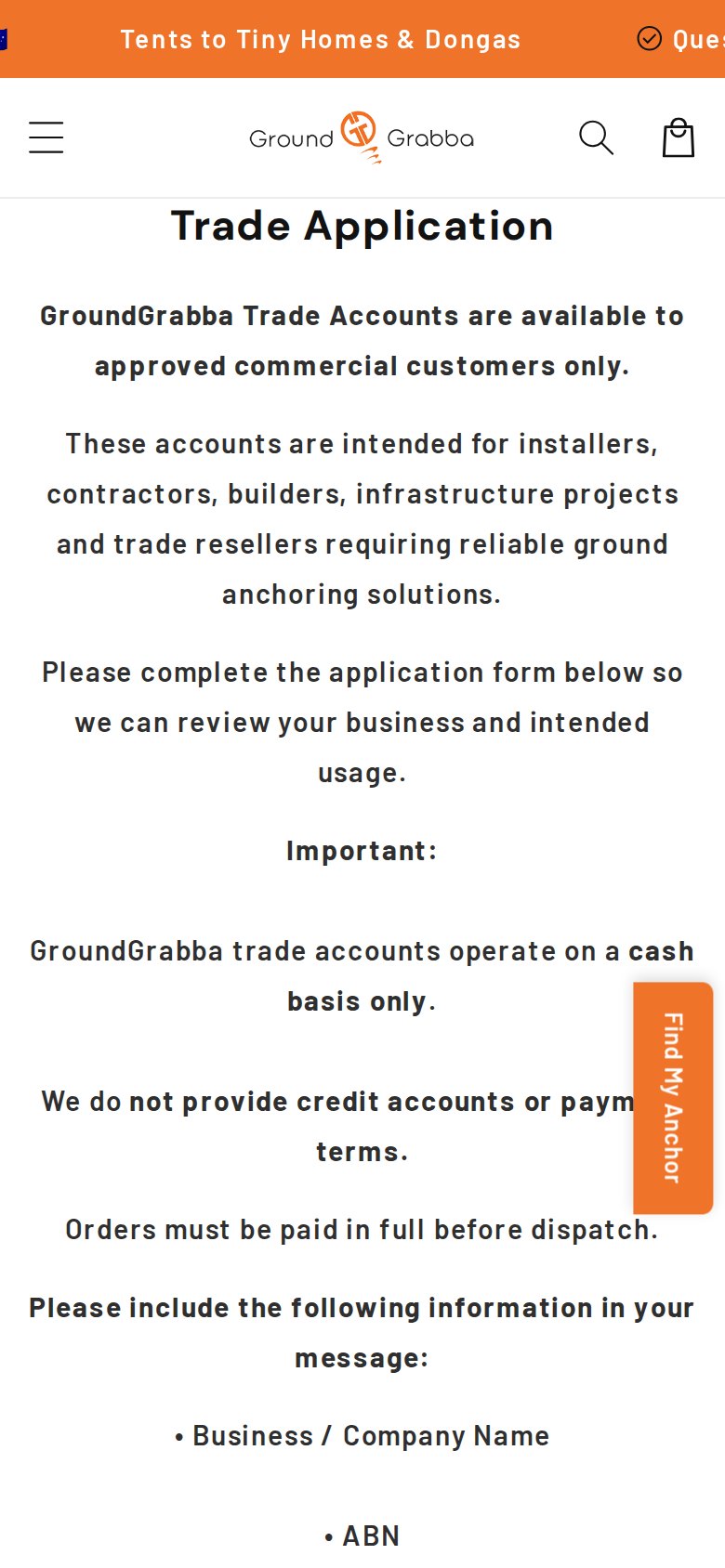
The “Trade Application” page begins with eligibility: trade accounts are available to approved commercial customers only, meaning installers, contractors, builders, infrastructure projects and trade resellers. It then sets expectations in plain language. Trade accounts operate on a cash basis, no credit accounts or payment terms are offered, and orders must be paid in full before dispatch. Applicants are asked to include their business name, ABN, primary contact, phone number, business location, type of business, typical use of the products and an estimate of order quantities.
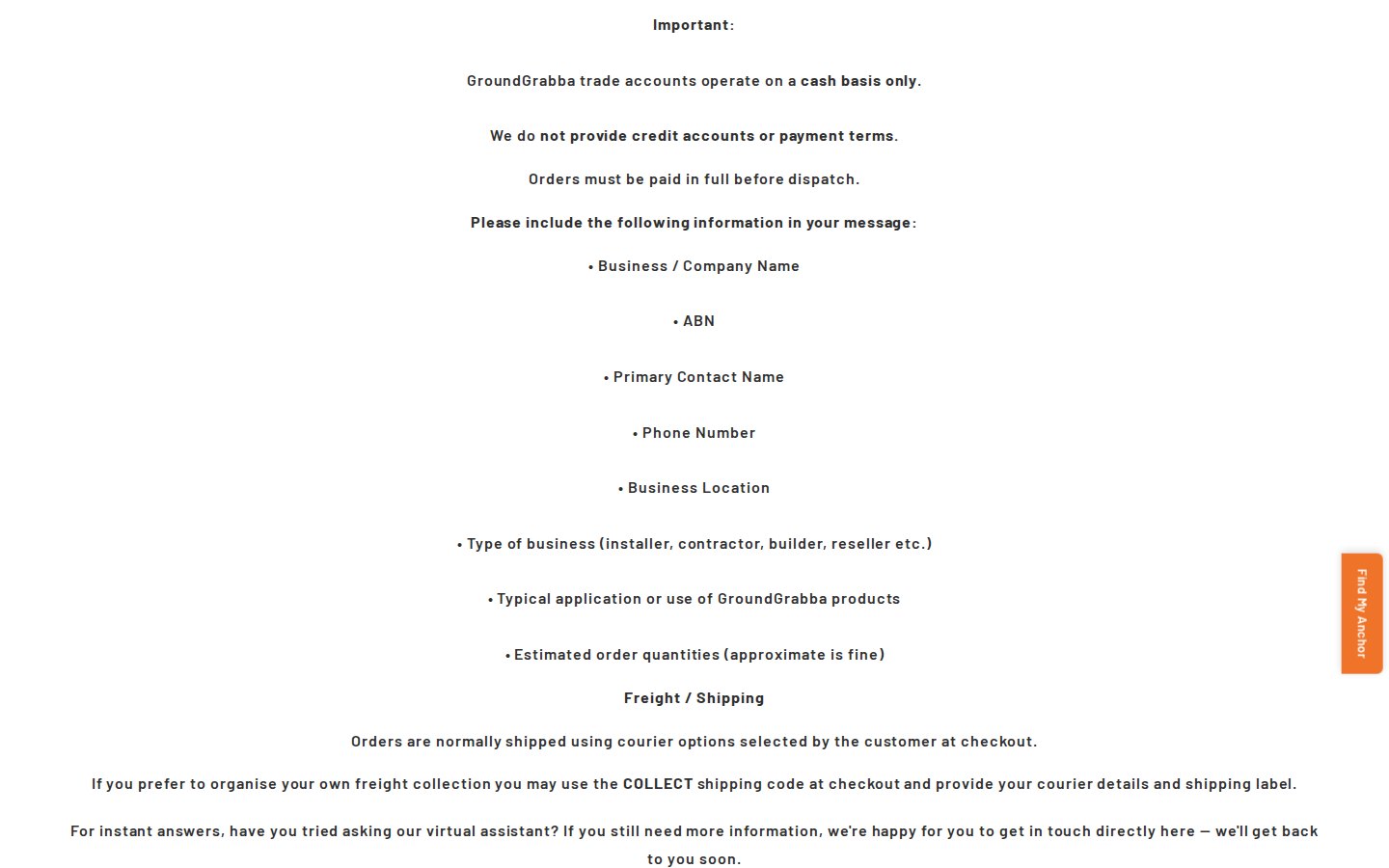
This is a smart way to qualify applicants. Instead of a long form, the page tells a buyer what the merchant needs to know and why, which also discourages applicants who expect credit terms. The page also explains freight: orders normally ship by the courier option the customer picks at checkout, and a buyer who prefers to arrange their own collection can use a “COLLECT” shipping code and supply courier details. A virtual assistant and a contact form sit below for people who need help before applying.
2. B2B categories that guests cannot browse
The B2B supply page offers three categories: anchors (bulk boxes and cartons), hardware and accessories (hooks, brackets, washers and tools) and systems and kits (complete anchoring systems). When we opened those category pages as a guest, each returned a standard “Page not found” message. To a visitor who is not approved, the trade range does not exist.
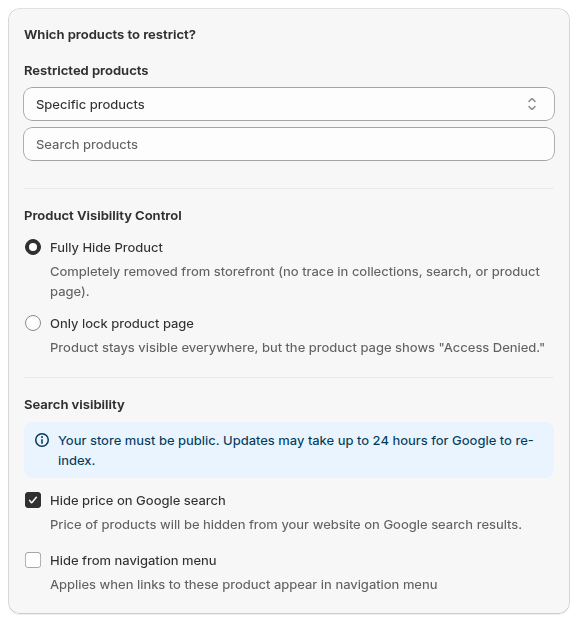
That fits the way one of the merchant’s reviews describes the need: special products for particular customers that are not seen by anyone else and are not found on Google. BSS B2B Lock has a product visibility option that does exactly this, and it can also keep the price out of Google search results. We did not query Lock’s rule settings, so we cannot confirm which options this merchant selected, but the storefront behavior and the review point the same way.
Guides worth reading if you want the same: BSS hide specific products from certain users, show products only to tagged customers, and our use cases on showing products only to tagged customers and hiding wholesale collections from guests.
3. Commercial supply terms published as a page
The store also publishes “Commercial Supply Terms” (version 1.0, updated March 31, 2026). They apply to products bought for business, wholesale, project or bulk use and override the standard retail return and warranty conditions. Standard web orders require full payment at checkout. For approved bulk or project orders, a deposit with a confirmed purchase order may be accepted, with the balance due before dispatch. The terms also state that orders cannot be changed or cancelled once production has begun, and they set conditions for returns of installed anchors.
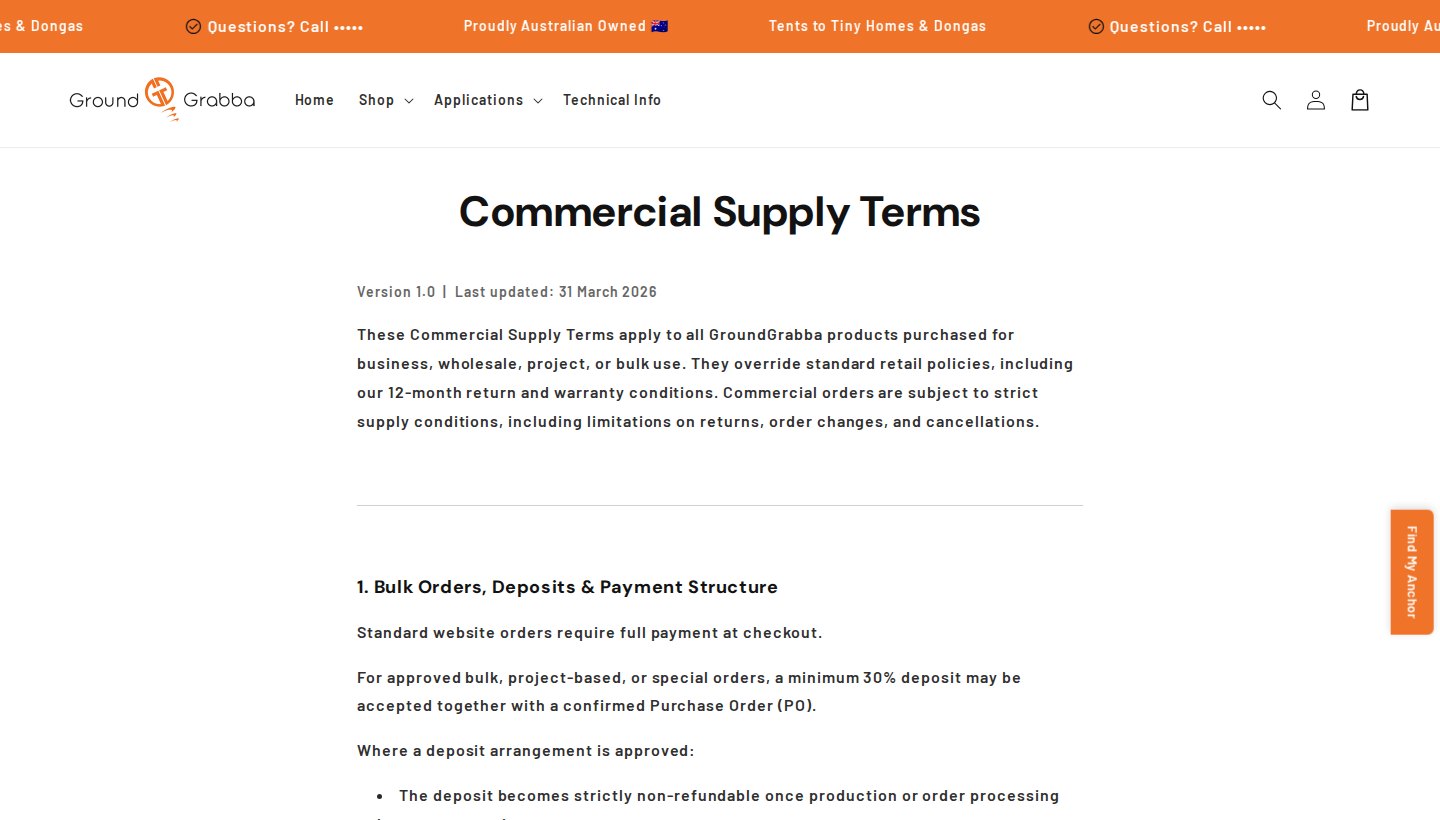
Publishing terms on a page of their own is a habit more B2B merchants should copy. A trade buyer who reads it before applying knows what to expect, and the merchant gets a single page to point to when a conversation turns to deposits or returns.
Which BSS features power it
Both apps were installed in June 2026, so this store is a very recent setup. Production data for BSS B2B Solution shows a small, focused configuration: a handful of enabled Custom Pricing rules and one volume pricing rule. Most Custom Pricing rules target specific customers, some limited to chosen products or collections, one targets a customer tag, and the volume pricing rule is product-level and applies to specific customers. That is how a merchant gives an approved trade account its own price list without exposing it to anyone else.
| Visible or configured | BSS feature | How we know |
|---|---|---|
| Trade prices for approved accounts | BSS B2B Solution, Custom Pricing | Enabled rules targeting specific customers and one customer tag |
| Quantity-based prices for trade buyers | BSS B2B Solution, Volume Pricing | One enabled product-level rule for specific customers |
| B2B categories with no products for guests | BSS B2B Lock, product visibility | Storefront behavior and the Lock review |
| Setup help from BSS support | BSS B2B Solution and BSS B2B Lock | Both public reviews |
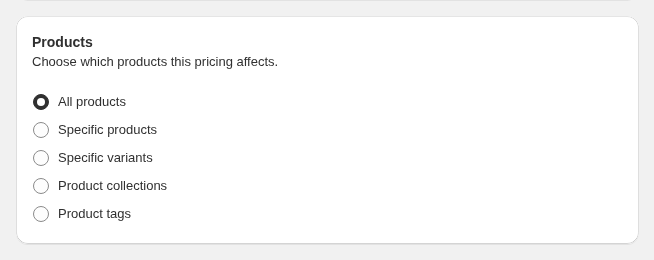
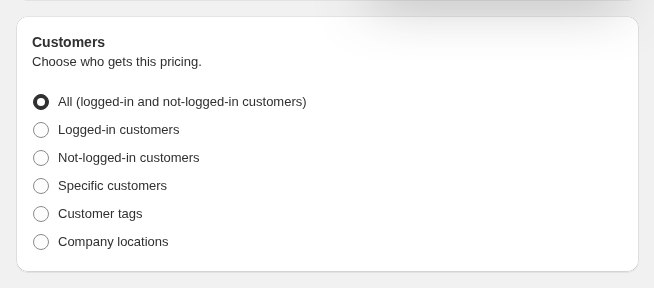
Custom Pricing rules choose two things: who gets the price (all, logged-in, specific customers, customer tags or company locations) and which products it affects (all, specific products or variants, collections or tags). A commercial anchor range with a few SKUs fits specific products, while tags or collections suit larger catalogs. If several rules match, the one with the lower priority number wins, a behavior documented in BSS rule priority.
Volume pricing is the natural second step for a product sold in cartons. You publish quantity bands such as one band for singles, another for a box and another for a carton, and the price per unit steps down for the buyers that the rule targets. Read the volume pricing guide and our use case on tiered pricing and quantity breaks. If you sell retail and trade from one store, selling B2B and B2C from one Shopify store covers the pattern end to end.
What other merchants can copy
- Tell applicants what you need to know. A short list (business name, ABN or tax ID, use case, estimated quantities) is enough to qualify a trade request.
- State payment rules up front. “Cash basis only, paid in full before dispatch” removes a negotiation before it starts.
- Keep trade products out of the public catalog. Fully hiding them avoids confusing retail shoppers and keeps trade ranges away from search results.
- Publish commercial terms separately from retail policies. Returns and cancellations work differently for a pallet than for a single order.
- Encourage a test before a bulk order. The store’s own commercial terms strongly recommend testing sample units in real conditions first.
- Start with a few rules. A handful of Custom Pricing rules and one volume rule is enough to launch, and you can add modules later.
- Use the support you are given. Both reviews say the BSS team helped with setup, including identifying a second app that was needed.
The merchant’s reviews
GroundGrabba AU published two five-star reviews on June 24, 2026, within the first weeks of use. The BSS B2B Solution review is shown on the listing as edited. They are quoted as published, from the BSS B2B Solution reviews and the BSS B2B Lock reviews.
If Tom is anything to go by, the crew at BSS is fabulous. Tom was excellent, helped me set up the B2B app and also identified another app I needed called Lock. He helped me set that up also. His explanations were easy for me to grasp too.
GroundGrabba AU, public Shopify App Store review of BSS B2B Solution, 5 stars, edited June 24, 2026
What a fabulous app! Something I could have used so much over the past years to make dealing with business customers easier…special products for particular customers and not to be seen by anyone else or to be found on google etc.
GroundGrabba AU, public Shopify App Store review of BSS B2B Lock, 5 stars, June 24, 2026 (excerpt)
These are first-impression reviews from a merchant that had used the apps for days, so they speak to onboarding and to the fit of the feature set, not to long-term results.
FAQ: running retail and trade from one Shopify store
Can one Shopify store serve retail shoppers and approved trade buyers?
Yes. Keep the public catalog open for retail, and use BSS B2B Solution rules and BSS B2B Lock visibility to give approved accounts their own prices and products. GroundGrabba AU does this with a trade application and trade-only categories.
How do I hide trade products from guests and from Google?
In BSS B2B Lock, choose the products or collections to restrict, select the option that fully hides them, and tick the option that hides the price on Google search. Allow access for logged-in or tagged customers.
How do I give one customer their own price?
Create a Custom Pricing rule and target a specific customer, or give the customer a tag and target the tag. You can set a fixed price, an amount off or a percentage off.
Do I need to offer net terms to trade buyers?
No. GroundGrabba AU states that trade accounts are cash-basis and paid in full before dispatch. If you do want terms, BSS B2B Solution has a Net Terms module, covered in our use case on Net 30 payment terms.
Should the application be a form or a message?
Either can work. GroundGrabba AU asks applicants to include specific details in a message so it can review the business. A BSS B2B Solution registration form lets you collect the same details as structured fields and tag approved customers.
This store spotlight is based on GroundGrabba AU’s public website and its public reviews on the Shopify App Store, as of October 5, 2026. Screenshots show the public storefront with contact details masked. Configuration screenshots labeled “Example configuration” come from BSS documentation and do not show the merchant’s admin. GroundGrabba AU has not reviewed this article.